
Iceland Lights Up With New Geothermal Escapes
Iceland Lights Up With New Geothermal Escapes

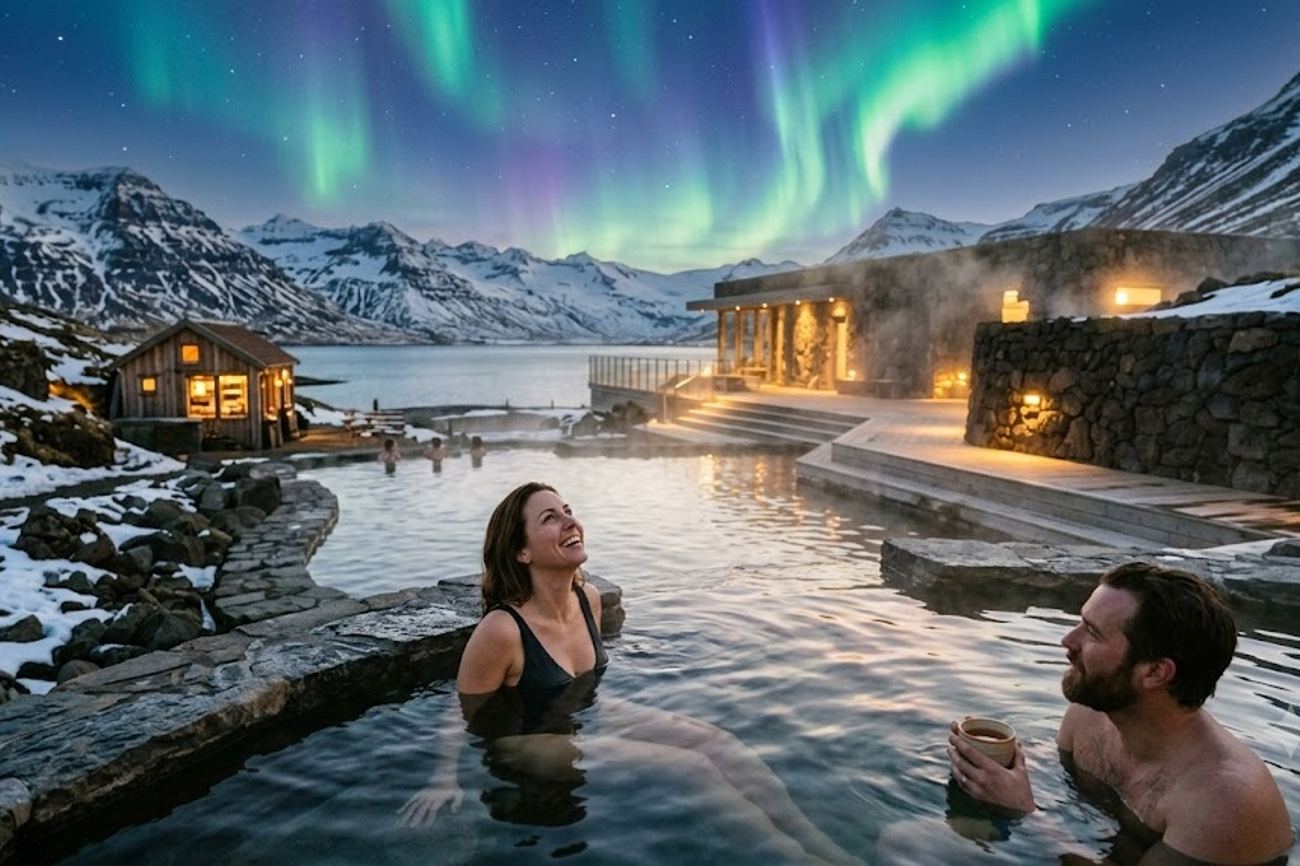
Image generated by AI
September 22–23 marks the traditional pivot point for the Icelandic tourism economy, as the autumnal equinox triggers the return of the darkness necessary for Northern Lights visibility. This shift in celestial conditions, combined with the early September opening of the Reykjaböðin Geothermal Lagoon in Hveragerði, signals a strategic move by Iceland to decentralize its tourism traffic away from the saturated Golden Circle and Reykjavik corridors. By integrating high-value wellness infrastructure with natural volcanic phenomena, the region is attempting to stabilize visitor numbers during the transition from the summer peak to the winter off-season.
The Hveragerði Expansion and Geothermal Diversification
For years, Hveragerði has functioned as a secondary hub for those seeking the geothermal heat of the Reykjadalur valley. However, the introduction of the Reykjaböðin Geothermal Lagoon transforms the town from a hiking waypoint into a destination endpoint. This development is not merely about adding another pool to the Icelandic portfolio; it is a calculated effort to capture the "wellness traveler" segment that previously focused exclusively on the Blue Lagoon or Sky Lagoon.
By positioning Reykjaböðin near the base of the Reykjadalur hiking valley, the local tourism board is creating a "dual-experience" itinerary. Travelers can now engage in high-exertion trekking through steaming geothermal valleys and immediately transition into a managed wellness environment. This synergy reduces the friction of travel, allowing visitors to maximize their time within a single geographic zone rather than spending hours in transit between disparate attractions.
The Reykjanes Peninsula: Logistics of Volcanic Tourism
The Reykjanes Peninsula serves as the critical bridge between Keflavík International Airport and the capital. Its unique geological composition—characterized by expansive lava fields and active volcanic features—makes it the first point of contact for most international arrivals.
The strategic importance of this region lies in its ability to support "short-stay" or "stopover" tourism. Because the peninsula is situated between the airport and Reykjavik, it allows travelers with limited timeframes to experience Iceland's primary geological draws without venturing into the interior. This reduces the logistical burden on the country's limited road infrastructure while maintaining high per-visitor spending through guided volcanic tours and geothermal visits.
| Regional Feature | Primary Appeal | Strategic Value |
|---|---|---|
| Hveragerði | Reykjaböðin Lagoon / Reykjadalur | Wellness & Hiking Integration |
| Reykjanes Peninsula | Volcanic Landscapes / Lava Fields | Airport Proximity / Short-Stay Access |
| Keflavík Hub | International Connectivity | Gateway to Southern Iceland |
| Aurora Zones | Solar Cycle 25 Activity | Off-Peak Demand Driver |
Expert Analysis: The Economics of Solar Cycle 25
The current surge in interest regarding the Northern Lights is not random; it is tied to the progression of Solar Cycle 25. For the travel industry, this represents a predictable but volatile demand driver. When solar activity peaks, the resulting auroral displays become more frequent and intense, creating a spike in demand for rural accommodations and specialist photography excursions.
For travelers booking routes into Hveragerði and the Reykjanes Peninsula, the direct consequence is a shift in the "value proposition" of the trip. In summer, the value is based on the Midnight Sun and accessibility. In autumn, the value shifts to the contrast: the thermal heat of the lagoons against the plummeting ambient temperatures of the Icelandic night.
Iceland is expanding its geothermal tourism infrastructure to distribute visitor traffic beyond the Golden Circle, integrating sustainable luxury retreats with natural hot springs. Travelers can coordinate their arrivals and local transport through Visit Iceland, the official tourism portal, to ensure seamless access to these remote wellness escapes.
The pricing pressure this creates means that rural accommodation providers outside of Reykjavik can command a premium during the autumn months, as "dark sky" locations become more valuable than city-center hotels. Furthermore, by promoting the September equinox as a prime entry point, Iceland is effectively smoothing its demand curve, preventing the "boom and bust" cycle of summer overcrowding followed by winter dormancy. The integration of the International Air Transport Association (IATA) standards in maintaining robust flight corridors to Keflavík ensures that this seasonal shift is supported by consistent seat capacity from North America and Europe.
Key Takeaways
- New Infrastructure: The Reykjaböðin Geothermal Lagoon opened in early September, providing a new wellness anchor in Hveragerði.
- Timing the Aurora: The September 22–23 equinox is the critical window for the start of Northern Lights season, coinciding with Solar Cycle 25's elevated activity.
- Logistical Efficiency: The Reykjanes Peninsula's proximity to Keflavík International Airport makes it the primary zone for short-duration volcanic tourism.
- Strategic Diversification: Iceland is actively pushing travelers toward Hveragerði and Reykjadalur to alleviate congestion in the Golden Circle and Reykjavik.
- Seasonal Synergy: Autumn travel allows for a rare combination of daytime hiking/sightseeing and nighttime aurora hunting.
FAQ: Iceland Autumn Travel 2024
When is the best time to see the Northern Lights in autumn? The window opens around the September equinox (September 22–23). While visibility depends on solar activity and cloud cover, this period offers a balance of darker nights and more manageable road conditions than mid-winter.
What is the difference between the Blue Lagoon and Reykjaböðin? While the Blue Lagoon is a global landmark, Reykjaböðin in Hveragerði is integrated with the Reykjadalur hiking valley, offering a more nature-centric experience that combines trekking with geothermal soaking.
Is the Reykjanes Peninsula safe for volcanic tourism? Yes, provided visitors follow official guidance. Its location between the airport and Reykjavik makes it highly accessible for viewing lava fields and volcanic features without needing deep inland travel.
Can I combine hiking and aurora viewing in one trip? Autumn is the ideal season for this. Travelers can utilize daylight hours for hiking in areas like Hveragerði and use the extended darkness of the evenings for Northern Lights excursions.
The convergence of solar peaks and new geothermal infrastructure is turning the Icelandic shoulder season into a primary destination window.
#Hveragerði #ReykjanesPeninsula #SolarCycle25 #KeflavikAirport #Reykjaböðin #IcelandAutumn2024
Related Travel Guides
Disclaimer
This article is for informational and educational purposes only. It does not constitute legal, financial, or professional advice. While we strive to provide accurate and up-to-date information, travel policies, regulations, and conditions change rapidly. Always verify information with official sources before making travel decisions. Nomad Lawyer makes no representations about the accuracy, reliability, completeness, or suitability of the information provided. Readers should consult qualified professionals for advice specific to their circumstances. The views expressed in this article are those of the author and do not necessarily reflect the views of Nomad Lawyer.
Preeti Gunjan
Contributor & Community Manager
A passionate traveller and community builder. Preeti helps grow the Nomad Lawyer community, fostering engagement and bringing the reader experience to life.
Learn more about our team →