Hurricane Polo and Tropical Storm Nolo Trigger Travel Alerts for Mexico and Hawaii in 2026

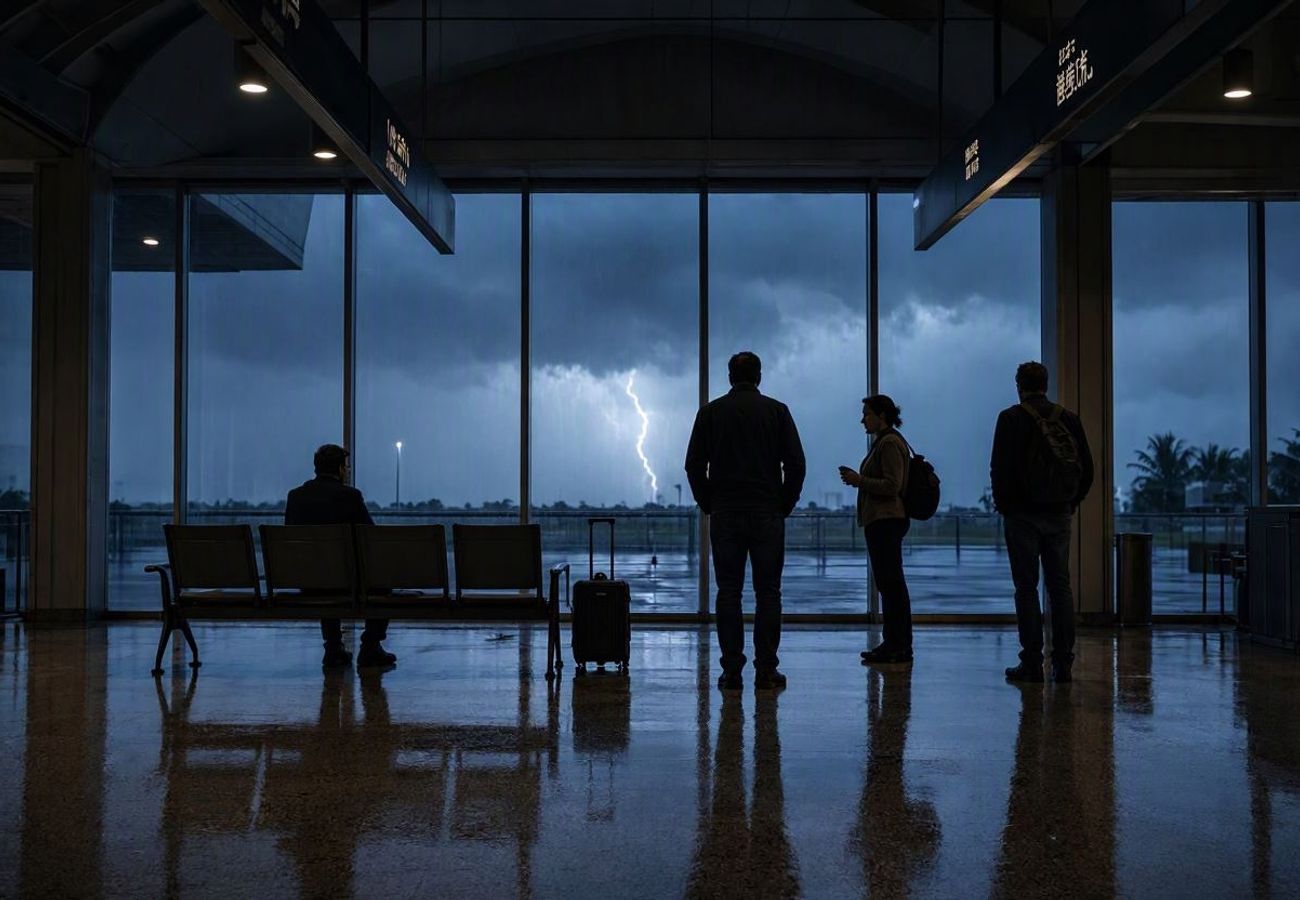
Image generated by AI
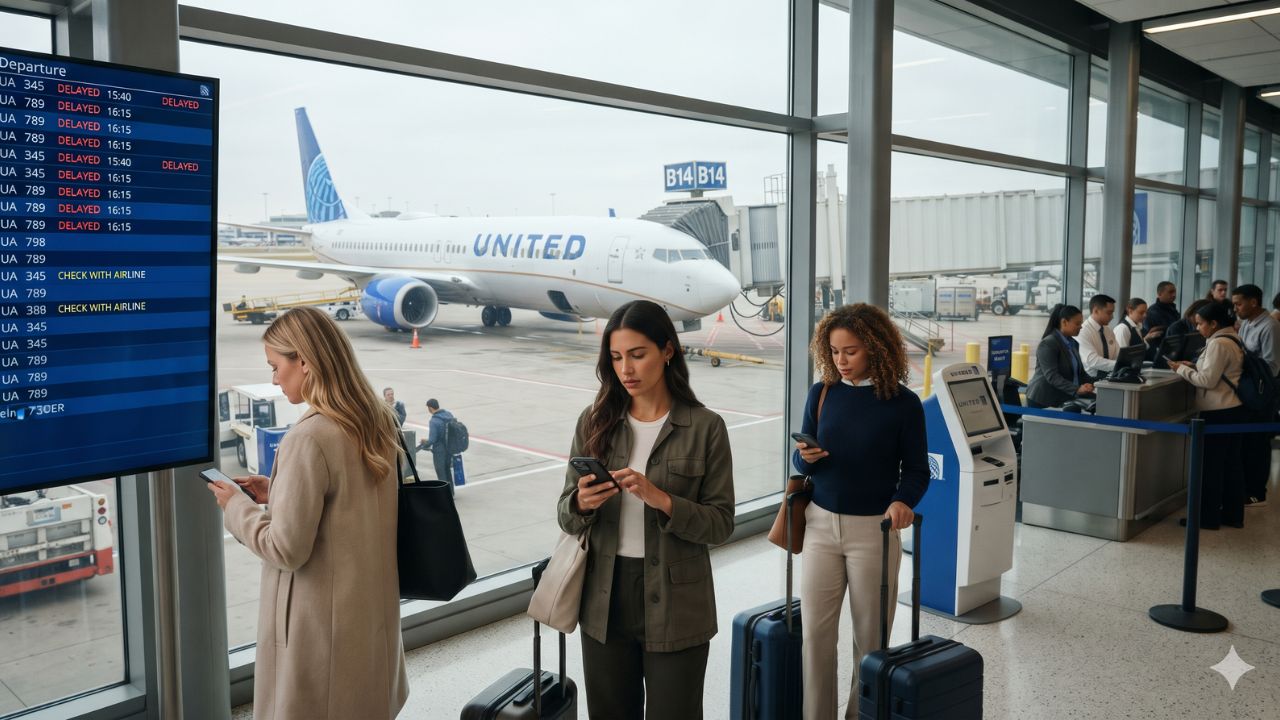
Imagine landing in Puerto Vallarta or arriving on the Big Island only to find your hotel evacuated, your flight home cancelled, and the roads to the airport submerged under floodwaters. This is the immediate reality for thousands of holidaymakers as the Pacific basin simultaneously produces two dangerous weather systems, forcing a coordinated emergency response across North American tourism hubs.
The Twin Storm Crisis: Polo and Nolo Timeline
The Pacific region is currently grappling with a rare dual-threat scenario. Hurricane Polo, an extremely powerful system, has established itself off the southwestern coast of Mexico. While the storm's core is projected to remain over open water, its massive circulation is pumping torrential rain and hazardous surf into the Mexican mainland. Simultaneously, the United States is bracing for Tropical Storm Nolo, which is currently tracking toward the Hawaiian Islands, specifically targeting the Big Island.
In Mexico, the impact is concentrated along the Pacific coastline, where the storm is generating life-threatening conditions. The primary dangers are not just the winds, but the secondary effects: overflowing rivers and landslides in mountainous terrain. In the U.S., Hawaii County has already been placed under a hurricane watch. Local officials have taken the preemptive step of closing government offices and schools to prepare for flash flooding and high-velocity winds.
Affected Routes and High-Risk Zones
The following regions are currently under high-alert status. Travelers with bookings in these areas should immediately verify the status of their transport and accommodation.
| Region | System | Primary Risks | Impact Level |
|---|---|---|---|
| Guerrero, Mexico | Hurricane Polo | Landslides, Coastal Flooding | High |
| Michoacán, Mexico | Hurricane Polo | River Overflow, Road Blockages | High |
| Oaxaca, Mexico | Hurricane Polo | Torrential Rain, Hazardous Surf | Medium-High |
| Hawaii County (Big Island) | Tropical Storm Nolo | Flash Floods, Strong Winds | High |
| Pacific Coast Resorts | Both | Flight/Ferry Cancellations | Variable |
Your Rights as a Passenger
When weather systems like Polo and Nolo cause flight cancellations, airlines often categorize these as "Extraordinary Circumstances," which can limit your entitlement to cash compensation. However, you still possess fundamental legal protections regarding your care and your money.
For Flights Departing from or Arriving in the US: Under US Department of Transportation (DOT) guidelines, if an airline cancels your flight for any reason—including weather—you are entitled to a full refund of the unused portion of your ticket if you choose not to travel. This applies even if you hold a non-refundable ticket. Note that airlines are not legally required to provide hotels or meals for weather-related delays, though many do so as a matter of customer service.
For Flights Departing from the EU/UK to Mexico or Hawaii: If your journey began in the EU or UK, EU261/2004 or the UK equivalent applies. While weather is typically an "extraordinary circumstance" that exempts the airline from paying the €600/$600 compensation fee, the airline is still legally obligated to provide:
- A choice between a full refund or re-routing to your destination.
- "Duty of Care" (hotel accommodation, meals, and two phone calls/emails) if the re-routing results in an overnight stay.
Travel Insurance Obligations: If you have a "Cancel for Any Reason" (CFAR) policy, you can recoup most of your costs now. If you have standard travel insurance, ensure you obtain a written "Statement of Disruption" from your airline or hotel. This document is mandatory for filing a claim for weather-related losses.
Rebooking Strategy and Alternatives
If you are currently trapped in a storm zone or your flight has been scrubbed, do not rely solely on the airline's automated app, which often crashes during mass disruptions.
1. Diversionary Routing: For those heading to Mexico's Pacific coast, check for flights into Mexico City (MEX) and arrange ground transport to less-affected inland areas, provided roads are open. For Hawaii, if the Big Island is closed, check availability for Oahu (HNL) or Maui (OGG), though be aware that Nolo's path may shift. Use FlightAware to monitor real-time aircraft movements and see where other flights are being diverted.
2. The Refund vs. Voucher Trade-off: Airlines will often offer travel vouchers as a first option. In the US, you are entitled to cash. Only accept a voucher if it is valued significantly higher (e.g., 120% of the ticket price) than the original cost.
3. Competitor Leverage: If your primary carrier cannot get you out within 48 hours, check for "interline" agreements. Ask the agent if they can book you on a competitor. If they refuse, and you have a high-tier credit card (Visa Infinite or Amex Platinum), check your built-in trip interruption insurance, which may cover the cost of a new ticket on a different airline.
FAQ: Pacific Storm Disruptions 2026
Am I entitled to cash compensation for a weather cancellation? Generally, no. Weather is considered an "act of God" or an extraordinary circumstance. However, you are always entitled to a full refund if you choose not to fly, regardless of the cause.
What should I do if my hotel in Mexico or Hawaii is evacuated? Follow local authority instructions immediately. Contact your travel insurance provider to trigger "Emergency Evacuation" coverage and notify your airline to adjust your departure airport if necessary.
Can I get a refund for a non-refundable hotel booking? While hotels are not bound by the same laws as airlines, many activate "Force Majeure" clauses during hurricanes. Contact the hotel manager directly; if they refuse, file a chargeback through your credit card company under "services not rendered."
How do I know if my flight is actually cancelled? Check the official British Airways Flight Status or your specific carrier's portal. Do not rely on third-party blogs; use official airline notifications or flight tracking software.
Stay vigilant, keep your documents digitized, and prioritize safety over schedules.
Related Travel Guides
This article is for informational purposes. Flight routes, passenger regulations, visa rules, and transit advisories are subject to change by airlines and aviation authorities. Readers are advised to verify schedules and travel documentation with relevant carriers and border agencies before departure.
Related Stories
San Francisco Airport Hit by FAA Ground Stop as 40 MPH Gales Push Inbound Delays to 658 Minutes
Miami and Fort Lauderdale Face Severe Flood Watch: South Florida Travel and Cruise Disruption Guide