
Hong Kong Tourism Faces New Traveller Shift as Short Visits Rise and Spending Patterns Change Across Asia: All You Need to Know
Hong Kong Tourism Faces New Traveller Shift as Short Visits Rise and Spending Patterns Change Across Asia: All You Need to Know

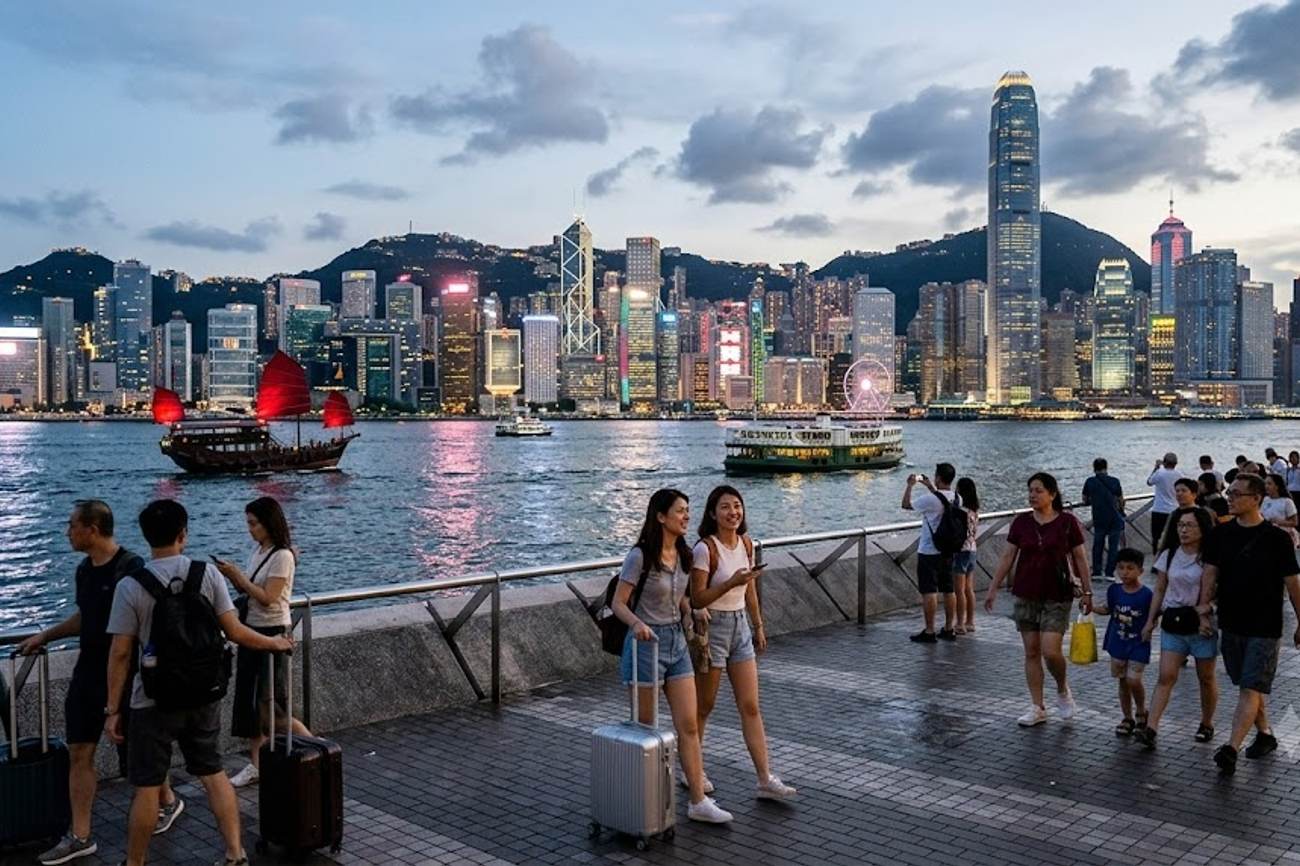
Image generated by AI
[Hong Kong, May 2024] — Hong Kong is executing a sweeping strategic pivot of its tourism economy as visitors abandon traditional luxury shopping in favor of budget-conscious, experience-driven itineraries. The city is aggressively diversifying its appeal to counter a trend of shorter stays and a decline in high-value retail spending, particularly among its primary visitor demographic from mainland China.
The shift represents a fundamental change in how the city is consumed. While arrival numbers have recovered strongly following pandemic-era lockdowns, the "shopping paradise" model that defined Hong Kong for decades is being replaced by a demand for "authentic" local engagement. This transition is forcing a total recalibration of the hospitality, retail, and transport sectors to accommodate a younger, digitally-native generation of travelers who prioritize cultural immersion and outdoor activity over luxury goods.
The Collapse of Luxury-Centric Tourism
The immediate trigger for this transformation is a documented evolution in traveler behavior. For years, Hong Kong relied on a high-spend model where visitors—primarily from the mainland—focused on jewelry, high-end watches, and premium fashion. Current data indicates this pattern has fractured. Visitors are now utilizing digital platforms to curate hyper-specific, time-compressed itineraries that maximize "value" rather than "luxury."
This new wave of tourism is characterized by a preference for "micro-experiences." Instead of spending days in luxury malls, travelers are opting for short-duration trips focused on specific culinary goals, cultural landmarks, and social-media-worthy vistas. This "fast-travel" trend is particularly prevalent among younger demographics who view the city as a series of experiences to be checked off a list rather than a destination for leisure and prestige spending.
Markets and Segments Under Transition
The impact of this shift is felt unevenly across different visitor segments. While the volume of arrivals remains high, the economic contribution per visitor is shifting from retail to services and experiences.
| Tourism Market | Strategic Role | Current Behavior Shift |
|---|---|---|
| Mainland China | Primary Volume Driver | Moving from luxury retail to sightseeing and food |
| Southeast Asia | Regional Growth Engine | Increasing demand for affordable, curated experiences |
| Long-haul Markets | Diversity & Stability | Seeking "authentic" heritage and nature-based tourism |
| Business Travelers | Economic Anchor | Integrating leisure "bleisure" components into stays |
The Hong Kong Tourism Board is responding by promoting a broader spectrum of attractions to ensure the city remains competitive against other Asian hubs. This includes a concerted push toward "Community Tourism," where visitors are encouraged to explore residential neighborhoods and local traditions rather than sticking to the primary tourist corridors of Tsim Sha Tsui and Central.
Practical Traveler Advisory and Strategic Insights
For the individual traveler, the "New Hong Kong" is more accessible and diverse, but requires more planning. The era of the passive luxury tour is ending; the era of the curated experience is here.
1. Shift in Spending: Travelers will find a surge in affordable, "local-style" dining and attraction packages. There is a clear move away from the "luxury mall" experience toward street markets and neighborhood eateries.
2. Itinerary Compression: Because more visitors are staying for shorter periods, popular sites—such as Victoria Peak and the Star Ferry—may experience higher density during peak "checklist" hours.
3. Nature Accessibility: There is a significant increase in the promotion of the city's "green side." Travelers can now find better-supported infrastructure for hiking trails, country parks, and coastal walks, making the city a viable option for outdoor enthusiasts.
4. Regional Connectivity: Through the Hong Kong International Airport (HKIA), the city is positioning itself as the primary gateway for the Greater Bay Area. Travelers can now more easily link their Hong Kong stay with multi-city trips to Shenzhen, Guangzhou, Zhuhai, and Macau, effectively turning a city-break into a regional tour.
The Greater Bay Area Integration Strategy
To combat the trend of shorter stays, Hong Kong is integrating its tourism product with the surrounding Guangdong province. By promoting combined itineraries, the city aims to extend the average length of stay by transforming Hong Kong from a standalone destination into a hub for a larger regional circuit.
This strategy leverages the city's world-class transport network to funnel international visitors into mainland Chinese destinations. The proposed "multi-city" model encourages travelers to pair the urban energy of Hong Kong with the industrial modernity of Shenzhen or the historical depth of Guangzhou. This not only spreads the economic benefit across the region but also reduces the pressure on Hong Kong's core urban center.
Hong Kong is experiencing a surge in short-haul arrivals, prompting a strategic shift toward high-frequency, low-duration visits from neighboring Asian hubs. Travelers can find the latest entry requirements and updated visitor guidelines through the Hong Kong Tourism Board.
The hospitality sector is adapting in tandem. Hotels are moving away from rigid luxury packages toward flexible accommodation options that cater to the "short-stay, high-activity" traveler. This includes a rise in digital-first promotions and packages that bundle accommodation with local cultural experiences rather than shopping vouchers.
Future Outlook: Quality Over Volume
The long-term goal for the city is a transition from "volume-based tourism" (counting heads) to "value-based tourism" (measuring engagement). The focus is shifting toward "meaningful travel," where the success of the tourism sector is measured by the depth of the visitor's interaction with the city's culture and nature.
As the city continues to lean into its identity as a blend of "modern city life and accessible nature," the expectation is that it will attract a more diverse international crowd. The reliance on the mainland Chinese luxury shopper is being intentionally diluted to create a more resilient, diversified tourism economy that can withstand shifts in global spending habits.
FAQ: Hong Kong Travel 2024
Is Hong Kong still a luxury shopping destination? While the infrastructure remains, the city is actively diversifying. Visitors now find a stronger emphasis on cultural heritage, local food scenes, and outdoor activities rather than just high-end retail.
How has the "short-stay" trend affected the city? Travelers are visiting more landmarks in less time. This has led to an increase in "experience-focused" itineraries and a rise in the popularity of digital travel planning for food and culture.
What are the best non-shopping activities in Hong Kong? Current trends highlight hiking in country parks, exploring local food markets, visiting cultural districts, and taking coastal walking routes to traditional villages.
Can I visit other cities alongside Hong Kong? Yes. The city is promoting Greater Bay Area connections, making it easy to combine trips to Macau, Shenzhen, Guangzhou, and Zhuhai into one itinerary.
Hong Kong is no longer just a place to buy; it is a place to experience.
Related Travel Guides
- Hanoi Emerges as an Autumn Travel Hotspot With Vietnam Airlines’ Latest Tourism Drive: All You Need to Know
- Parsippany, New Jersey Unveils Autumn Weekend Escape With Fall Festival, Food, Music and Local Experiences: All You Need to Know
- 10 American Beach Towns Offering Memorable Autumn Holidays With Fewer Crowds And Seasonal Attractions
Disclaimer
This article is for informational and educational purposes only. It does not constitute legal, financial, or professional advice. While we strive to provide accurate and up-to-date information, travel policies, regulations, and conditions change rapidly. Always verify information with official sources before making travel decisions. Nomad Lawyer makes no representations about the accuracy, reliability, completeness, or suitability of the information provided. Readers should consult qualified professionals for advice specific to their circumstances. The views expressed in this article are those of the author and do not necessarily reflect the views of Nomad Lawyer.
Naina Thakur
Contributor & Travel Specialist
Travel enthusiast and legal writer covering visa regulations, responsible tourism, and cultural journeys across global destinations.
Learn more about our team →