
Hong Kong to Host IHIF Asia 2026: 550+ Hospitality Leaders to Drive Asia-Pacific Tourism Investment
Over 550 hospitality executives and investors will gather at Regent Hong Kong for IHIF Asia 2026 to steer the future of Asia-Pacific tourism and hotel development.
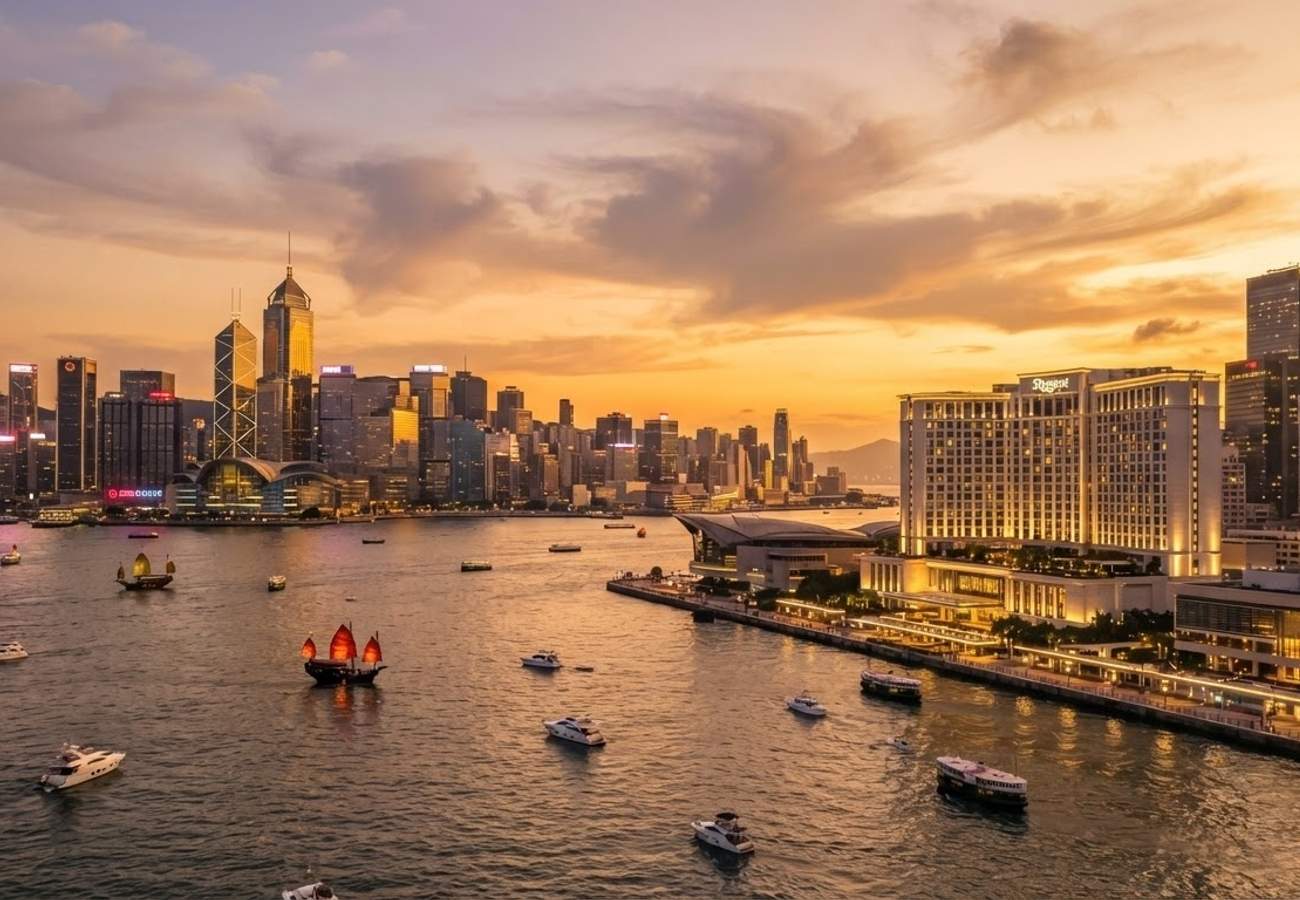
Image generated by AI
More than 550 high-level hospitality executives, institutional investors, and developers are descending on Hong Kong from September 16–18, 2026, to reshape the Asia-Pacific tourism landscape. This strategic gathering at the Regent Hong Kong aims to convert high-level industry discourse into tangible capital injections for hotel development and infrastructure across the region.
The event arrives at a pivotal moment for the Asia-Pacific travel sector. As regional demand stabilizes and shifts toward luxury and experiential travel, the focus has moved from simple recovery to aggressive growth. By bringing together the architects of hospitality finance—including lenders, asset managers, and government stakeholders—IHIF Asia 2026 serves as a catalyst for the next wave of hotel acquisitions and branded residence projects.
Strategic Focus on Asia-Pacific Hospitality Capital
Unlike standard travel trade shows that prioritize visitor volume, IHIF Asia 2026 is engineered as a high-value investment forum. The core objective is to align cross-border capital with emerging opportunities in Japan, Southeast Asia, Korea, and Greater China. For destinations competing for international attention, the forum represents a primary window to attract the funding necessary to expand room capacity and upgrade service standards.
The scale of the event is underscored by its historical data. While the 2026 edition expects over 550 delegates, the previous gathering hosted 520 attendees. Crucially, investors made up 40% of that audience (210 individuals), collectively overseeing assets under management totaling US$280 billion. This concentration of financial power makes the forum a critical junction for any entity seeking development partnerships or institutional financing.
Global Market Participation and Regional Representation
The breadth of the 2026 programme indicates a Pan-Asian approach to investment, with several key markets showing strong evidence of participation. The event is not merely a local Hong Kong affair but a global nexus for hospitality capital.
| Country / Market | Evidence of Participation |
|---|---|
| Hong Kong | Host market; Hong Kong Hotel Owners Federation and local firms |
| China / Greater China | China-focused hotel executives and dedicated investment sessions |
| Japan | Nippon Track featuring 130+ senior decision-makers |
| Singapore | Singapore Tourism Board and major hospitality corporations |
| Australia | ANZ & Oceania programme with specific investment focus |
| New Zealand | Integrated within the ANZ/Oceania market strategy |
| India | Identified as a primary Pan-Asian investment market |
| Thailand | Specifically featured within the investor programme |
| Maldives | Identified as a key Pan-Asian investment market |
| Indonesia / Bali | Focus on Bali and broader Indonesian hospitality development |
| Vietnam | Representation from Southeast Asian development sectors |
| South Korea | Dedicated coverage of Southeast Asia & Korea development |
| UAE / Middle East | Middle Eastern investment and UAE-based Marjan Development |
| Portugal | Visit Portugal speaker discussing the Portuguese market |
| United Kingdom / Europe | European investment professionals and HAMA EMEA representation |
| United States | Global hotel brands and advisory participation; branded-residence focus |
Direct Correlation Between Investment and Tourism Infrastructure
The implications of IHIF Asia 2026 extend far beyond boardroom agreements. There is a direct link between the capital commitments made during this forum and the actual experience of the traveler. When institutional investors fund new resorts or mixed-use developments, they effectively dictate the destination's capacity, the variety of lodging options available to tourists, and the overall quality of the local tourism economy.
Current shifts in travel patterns—such as the rise of domestic luxury travel and the demand for "experience-led" stays—are driving these investment decisions. Investors are no longer looking for generic hotel assets; they are seeking properties that can deliver reliable returns by catering to these new consumer behaviors. Consequently, the discussions in Hong Kong will likely determine which cities see a surge in five-star inventory and which emerging markets receive the infrastructure needed to support increased air connectivity.
High-Net-Worth Attendee Profiles and Industry Influence
The delegate list for the 2026 forum is strictly curated to ensure a business-to-business environment. The goal is to move rapidly from market intelligence to signed partnerships. The expected 550+ delegates include:
- Institutional capital providers and private equity firms.
- Family offices and high-net-worth hospitality investors.
- CEOs and C-suite executives from global hotel groups.
- Asset managers and real estate developers.
- Financial institutions and specialized lenders.
- Government tourism officials and professional consultants.
By filtering out leisure buyers and focusing on decision-makers, the event ensures that the conversations remain focused on scalability and financial viability.
Clarifying the Exhibition Component
While the forum includes a physical exhibition floor with sponsor stands and a dedicated event app for networking, it is important to distinguish this from a traditional trade fair. The organizers have not released a fixed count of exhibitors for 2026, and the value of the event lies in the quality of the connections rather than the number of booths. The exhibition serves as a supporting tool for the primary goal: the movement of hospitality capital.
Power Players Shaping the 2026 Agenda
The list of companies associated with the 2026 programme reads like a directory of the world's most influential real estate and hospitality entities. Their participation signals a strong appetite for Asia-Pacific expansion.
Key organizations highlighted in the programme include global giants such as Blackstone, Ares Management, PGIM, and CapitaLand Investment. Regional powerhouses like Swire Properties, Frasers Hospitality, City Developments Limited, and The Ascott Limited are also central to the discussions.
Furthermore, the presence of top-tier hotel brands—including Hyatt, Accor, Mandarin Oriental, Rosewood, Minor Hotels, and IHG—ensures that the operational side of hospitality is balanced with the financial side. Other contributing firms such as CBRE, Banyan Group, and Indochina Capital further solidify the event's role as the primary intelligence hub for the region's hospitality sector.
Why This Matters: The Impact on the Modern Traveler
For the average traveler or digital nomad, the outcomes of IHIF Asia 2026 will manifest as new destinations and upgraded amenities over the next three to five years. When a firm like Blackstone or CapitaLand decides to pivot toward a specific Southeast Asian market, it triggers a domino effect: improved airport transfers, the creation of thousands of local jobs, and the introduction of global brand standards to previously underserved areas.
From a logistical standpoint, this concentration of investment suggests that the "luxury gap" in emerging Asia-Pacific destinations will close rapidly. Travelers can expect a surge in branded residences and mixed-use hubs that blend work, stay, and leisure—a trend that directly benefits the growing population of professional nomads who require high-end infrastructure in exotic locales.
The decisions made in Hong Kong this September will effectively map out the luxury travel landscape of Asia for the next decade.
Related Travel Guides
Disclaimer
This article is for informational and educational purposes only. It does not constitute legal, financial, or professional advice. While we strive to provide accurate and up-to-date information, travel policies, regulations, and conditions change rapidly. Always verify information with official sources before making travel decisions. Nomad Lawyer makes no representations about the accuracy, reliability, completeness, or suitability of the information provided. Readers should consult qualified professionals for advice specific to their circumstances. The views expressed in this article are those of the author and do not necessarily reflect the views of Nomad Lawyer.