
Heathrow Airport Deploys Advanced CT Scanning Technology to Manage Massive Summer 2026 Passenger Surge
Heathrow Airport is implementing breakthrough security technology and updated passenger protocols to handle millions of travelers during the 2026 summer peak season.

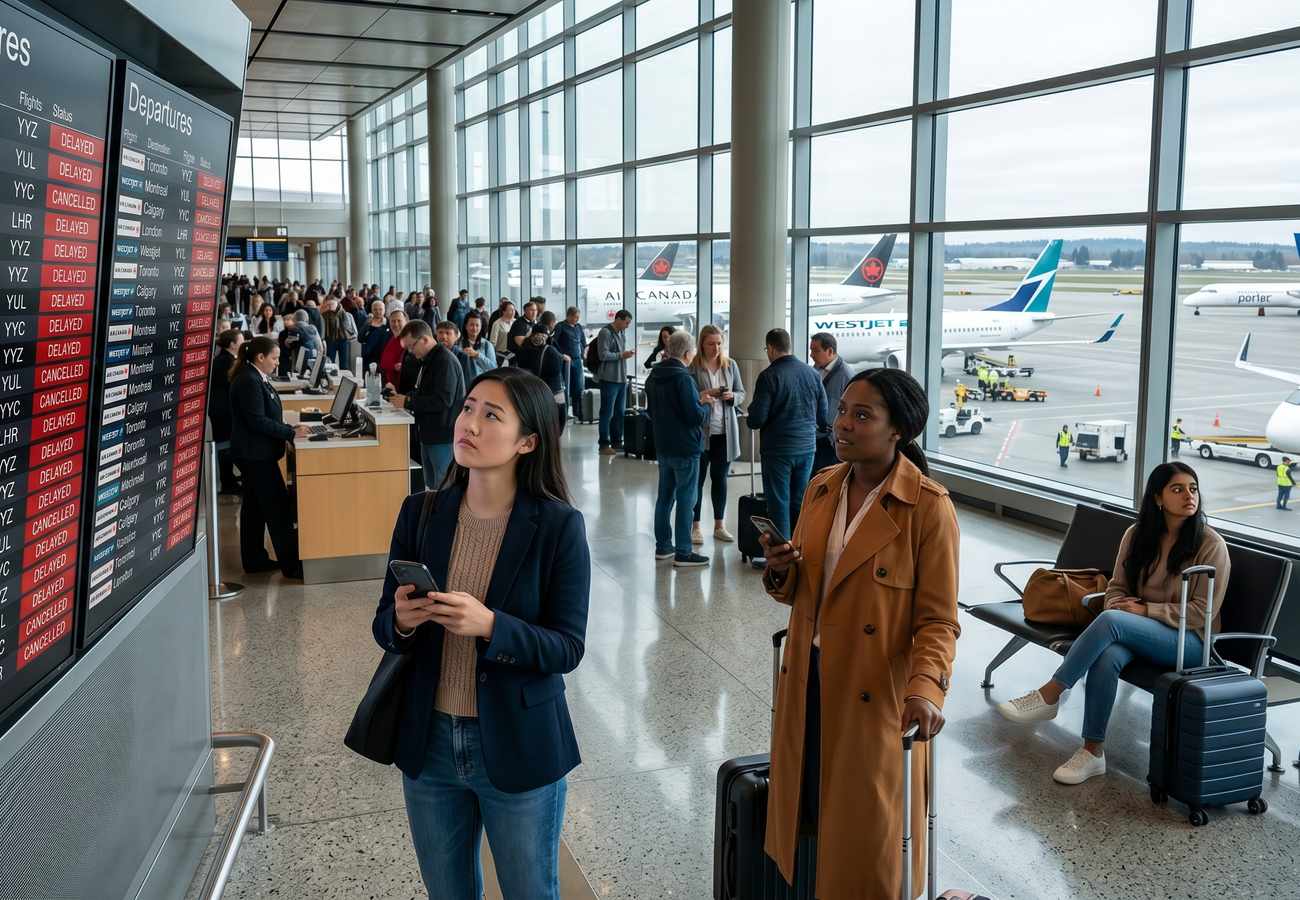
Image generated by AI
[London, July 6, 2026] — Heathrow Airport is implementing a comprehensive operational overhaul to manage a massive influx of international passengers expected during the 2026 summer peak. To prevent systemic delays, the hub has integrated next-generation security screening and revised terminal amenities designed to accelerate passenger throughput.
The surge in travel demand, driven by expanded global connectivity and seasonal holiday trends, has pushed airport authorities to prioritize automation and high-tech screening. With hundreds of thousands of travelers passing through terminals daily, the focus has shifted toward reducing checkpoint congestion through the deployment of advanced imaging technology and streamlined baggage protocols.
Next-Generation CT Scanning Transforms Heathrow Security
The most significant change to the passenger experience is the full-scale integration of computed tomography (CT) scanning systems. These advanced machines provide security personnel with high-resolution, three-dimensional images of cabin baggage, which fundamentally alters the traditional screening process.
Because these scanners offer superior detail, several restrictive mandates have been lifted for departing passengers. Most notably, the long-standing limitations on the volume of liquids in hand luggage have been revised. Travelers departing from Heathrow can now carry larger quantities of liquids, provided the containers meet current screening compatibility standards.
Furthermore, the requirement to remove electronic devices from bags has been eliminated. Laptops, tablets, and other handheld electronics can remain inside luggage during the scan, which significantly reduces the time spent at each security tray. The need for transparent, resealable plastic bags for liquids has also been removed, simplifying the pre-security preparation for millions of flyers.
Expanded Hydration Infrastructure Across All Terminals
To address the physical demands of peak-season travel and longer dwell times, Heathrow has scaled up its passenger wellness facilities. The airport has installed over 100 water refill stations across its various terminals, allowing travelers to replenish reusable bottles after passing through security.
This expansion serves a dual purpose: improving passenger comfort during high-traffic periods and advancing environmental sustainability by decreasing the consumption of single-use plastic bottles.
Industry observers note that for this system to work efficiently, passengers must empty their reusable bottles before entering the security screening area. Once cleared, the availability of these stations allows travelers to avoid high retail costs and maintain hydration before boarding their flights.
Critical Divergence in Global Security Standards
While the upgrades at Heathrow offer a more seamless experience, officials have issued a critical warning: these streamlined rules apply exclusively to outbound departures from Heathrow. There is currently no global synchronization of this technology, meaning return journeys and connecting flights may be subject to entirely different regulations.
Travelers are cautioned that many international airports still utilize older X-ray technology, which requires:
- Strict adherence to the 100ml liquid limit.
- The removal of all electronics from bags.
- The use of transparent liquid bags.
Passengers operating on multi-city itineraries must comply with the strictest applicable rules of each airport in their journey to avoid the confiscation of items or unexpected delays during return legs.
Operational Strategies for Peak Summer Throughput
The airport's current strategy relies on a synergy between technological precision and passenger compliance. While CT scanners increase the speed of the "security belt," the overall efficiency of the terminal depends on how well passengers prepare their baggage before reaching the checkpoint.
By encouraging travelers to familiarize themselves with the new standards—specifically regarding liquid volumes and electronics—Heathrow aims to eliminate the bottlenecks that traditionally plague summer travel. The goal is to maintain a high level of security integrity while scaling capacity to meet record-breaking passenger numbers.
The following table outlines the primary changes in the Heathrow security experience:
| Feature | Previous Requirement | New CT Scanning Standard |
|---|---|---|
| Liquid Volume | Strict 100ml limit per container | Expanded volume allowances |
| Liquid Packaging | Must be in a transparent plastic bag | No transparent bag required |
| Electronics | Laptops/Tablets must be removed | Devices remain inside the bag |
| Hydration | Reliance on retail bottled water | 100+ free refill stations available |
| Applicability | Standard across most UK hubs | Specific to Heathrow departures |
Why This Matters: The Shift Toward Intelligent Aviation Hubs
The transition at Heathrow represents a broader evolution in aviation infrastructure, moving away from manual, invasive inspections toward "intelligent" security. The implementation of CT technology is not merely a convenience; it is a necessary response to the scalability crisis facing major global hubs.
As passenger volumes grow, the traditional "stop-and-search" model becomes a liability that can paralyze an entire airport's operations. By removing the friction points—such as unpacking laptops and measuring liquids—Heathrow is attempting to decouple passenger growth from queue growth.
However, the disparity between Heathrow's advanced systems and the legacy systems of other international airports creates a "compliance gap." This gap places a higher cognitive load on the traveler, who must now navigate a fragmented landscape of security rules. Until global aviation authorities harmonize these standards, the efficiency gains at one end of a journey may be offset by delays at the other. This underscores a critical trend in 2026 travel: the necessity of hyper-local research for every leg of an international trip.
Travelers are urged to verify the security protocols of their return destination to ensure a seamless journey home.
Related Travel Guides
Disclaimer
This article is for informational and educational purposes only. It does not constitute legal, financial, or professional advice. While we strive to provide accurate and up-to-date information, travel policies, regulations, and conditions change rapidly. Always verify information with official sources before making travel decisions. Nomad Lawyer makes no representations about the accuracy, reliability, completeness, or suitability of the information provided. Readers should consult qualified professionals for advice specific to their circumstances. The views expressed in this article are those of the author and do not necessarily reflect the views of Nomad Lawyer.
Preeti Gunjan
Contributor & Community Manager
A passionate traveller and community builder. Preeti helps grow the Nomad Lawyer community, fostering engagement and bringing the reader experience to life.
Learn more about our team →