
Global Tourism Safety Shaken as Major 2026 Earthquakes Hit Colombia, Japan, and Indonesia
A series of powerful seismic events in 2026, including a 7.4 magnitude quake in Colombia, have triggered a global crisis in traveler confidence and infrastructure stability.

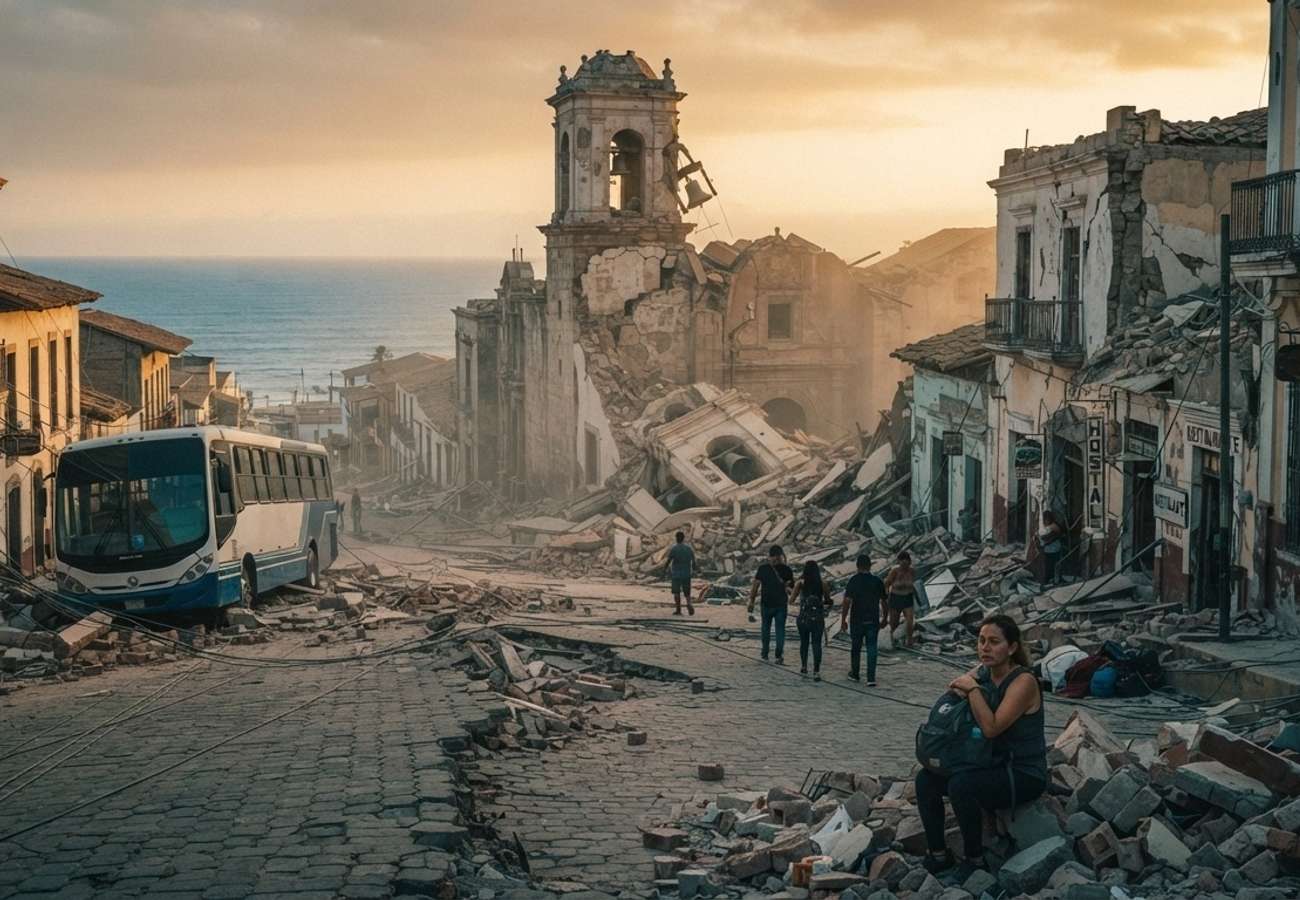
Image generated by AI
Seismic activity across the Pacific Ring of Fire and South America has triggered a sharp decline in international travel confidence. From magnitude 7.5 shocks in Venezuela to devastating collapses in Colombia, the 2026 earthquake cycle is forcing a total rethink of destination safety.
The global tourism sector is currently grappling with the aftermath of a volatile year of seismic events. Throughout 2026, powerful earthquakes have struck key destinations including Colombia, Venezuela, Japan, and Indonesia, leaving travelers questioning the viability of their itineraries and the safety of regional infrastructure.
While emergency services prioritize rescue and recovery, tourism boards are fighting a parallel battle: the loss of traveler confidence. The current crisis is not merely about physical damage but about the perceived risk of visiting regions where nature can abruptly disrupt transport networks and hospitality services.
Seismic Disruptions Across Key Tourist Hubs
The most severe impact of the year occurred in western Colombia, where a magnitude 7.4 earthquake caused widespread building collapses and fatalities. The event centered around Cali and surrounding regions, immediately paralyzing local transport and sparking urgent safety audits of tourism facilities.
Beyond South America, the Pacific Ring of Fire remained hyperactive. Powerful events in Tonga, Vanuatu, and Indonesia have highlighted the extreme vulnerability of island nations. In these regions, tourism is often the primary economic driver, meaning seismic disruptions lead to immediate and severe financial instability for local operators.
For the modern traveler, these events translate into immediate operational hurdles:
- Airport Integrity: Runways and terminals require rigorous inspection before resuming international flights.
- Hotel Safety: Structural audits are mandatory to ensure guest safety in high-rise accommodations.
- Access Routes: Landslides and road fractures often cut off popular cultural landmarks and resorts.
2026 Global Seismic Event Log and Tourism Impact
The following data tracks the most significant earthquakes of 2026 and their specific implications for the travel industry.
| Date (2026) | Country / Region | Magnitude | Impact Summary | Tourism Relevance |
|---|---|---|---|---|
| 10 August | Western Colombia | 7.4 Mw | Building collapses, deaths, and damage in Cali and surrounding areas | Severe concerns over transport operations and destination safety |
| 24 June | Venezuela | 7.5 Mw & 7.2 Mw | Powerful twin earthquakes causing widespread disruption | Negative shift in travel perceptions for northern South America |
| 20 April | Sanriku Coast, Japan | 7.4–7.5 Mw | Strong offshore quake causing structural damage and injuries | Test of preparedness in a top-tier global tourism market |
| 1 April | North Maluku, Indonesia | 7.4 Mw | Offshore quake damaging hundreds of structures | High risk for island tourism and coastal transport links |
| 24 March | Tonga | 7.5 Mw | Powerful offshore earthquake prompting regional monitoring | Increased demand for rigorous safety planning in the Pacific |
| 30 March | Vanuatu | 7.3 Mw | Strong earthquake striking the island region | Highlighted vulnerability of small, tourism-dependent islands |
| 22 February | Sabah, Malaysia | ~7.0 Mw | Deep offshore earthquake | Heightened awareness of disaster risk in SE Asian markets |
The Crisis of Confidence in Tourism Recovery
The repeated nature of these shocks has shifted the industry's focus from simple "attraction marketing" to "resilience marketing." Destinations are no longer judged solely by their landmarks, but by their ability to manage a crisis and recover without compromising visitor safety.
Recovery in 2026 is following a specific hierarchy of needs:
- Connectivity: Restoring air and sea links to prevent total economic isolation.
- Certification: Official safety inspections of hotels and cultural sites to reassure guests.
- Communication: Deploying accurate, real-time data to counter misinformation and travel warnings.
- Economic Support: Providing lifelines to small-scale tour operators and guides who face immediate revenue loss.
Infrastructure as a Competitive Advantage
The 2026 events have proven that disaster preparedness is now a competitive metric in the tourism industry. Japan, for instance, utilizes decades of seismic experience to maintain a level of resilience that minimizes long-term tourism dips despite frequent activity.
Governments are now accelerating investments in:
- Early Warning Systems: Reducing panic and increasing evacuation efficiency for tourists.
- Seismic Architecture: Building hotels and airports that can withstand higher magnitudes.
- Crisis Management Protocols: Streamlining the process of notifying international embassies and airlines during an event.
Essential Safety Checklist for 2026 Travelers
As seismic volatility continues, travelers are advised to integrate safety audits into their booking process.
- Verify Advisories: Consult official government travel warnings before booking.
- Audit Accommodations: Confirm that hotels have updated their safety certifications post-quake.
- Insurance Review: Ensure travel insurance specifically covers "natural disasters" and "emergency evacuation."
- Local Monitoring: Follow official tourism board announcements for real-time infrastructure updates.
The 2026 seismic cycle serves as a stark reminder that the future of global travel depends on the strength of a destination's foundation, both literally and figuratively.
Related Travel Guides
Disclaimer
This article is for informational and educational purposes only. It does not constitute legal, financial, or professional advice. While we strive to provide accurate and up-to-date information, travel policies, regulations, and conditions change rapidly. Always verify information with official sources before making travel decisions. Nomad Lawyer makes no representations about the accuracy, reliability, completeness, or suitability of the information provided. Readers should consult qualified professionals for advice specific to their circumstances. The views expressed in this article are those of the author and do not necessarily reflect the views of Nomad Lawyer.
Kunal K Choudhary
Co-Founder & Contributor
A passionate traveller and tech enthusiast. Kunal contributes to the vision and growth of Nomad Lawyer, bringing fresh perspectives and driving the community forward.
Learn more about our team →