
Washington Underrated State Park: Columbia River's Emerald Gem
A hidden Columbia River gem in Washington's high desert is gaining attention among remote workers in 2026. This underrated state park offers lush camping and outdoor activities perfect for digital nomads seeking solitude.

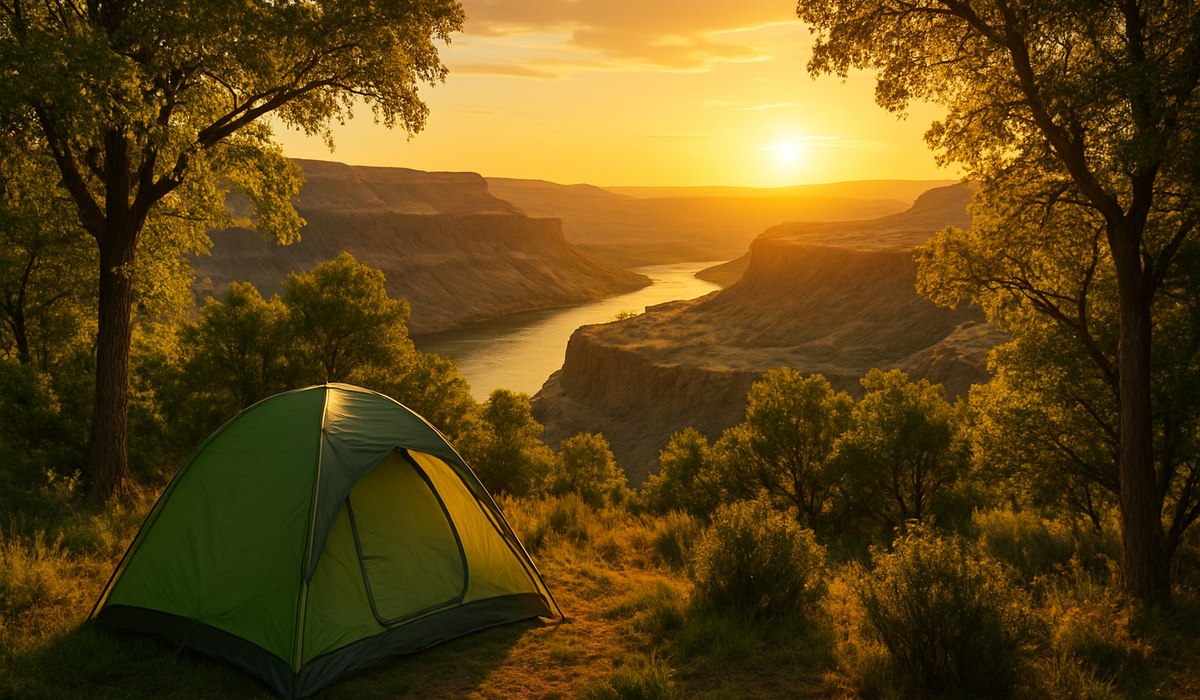
Image generated by AI
A Hidden Escape Hours From Seattle
Discover an emerald refuge tucked into Washington's vast high-desert terrain. Several hours east of Seattle lies a verdant Columbia River oasis that remains largely unknown to mainstream travelers. This Washington underrated state park has emerged as an unexpected haven for digital nomads, remote workers, and outdoor enthusiasts seeking authentic solitude in 2026. The park's lush camping grounds and dramatic river canyons create a striking contrast against the surrounding arid landscape, making it an ideal destination for those tired of crowded Pacific Northwest attractions.
The park's growing recognition among the digital nomad community reflects a broader trend toward discovering lesser-known regional destinations. Remote workers are increasingly seeking locations that balance natural beauty with practical amenities, and this Columbia River destination checks both boxes without the Instagram-famous crowds found at mainstream Pacific Northwest hotspots.
A Green Oasis in High Desert: Location and Overview
The park sits strategically along the Columbia River, where irrigation and natural water sources sustain verdant vegetation amidst otherwise dry terrain. This geographic positioning creates a unique microclimate that surprises first-time visitors expecting only sagebrush and rocky outcrops. The emerald landscape contrasts sharply with the golden hills surrounding it, producing Instagram-worthy scenery without the artificial appeal of heavily marketed destinations.
The park infrastructure supports extended stays for digital nomads and remote workers. Designated camping zones feature reliable cell coverage and vehicle parking suitable for van life travelers. The setting provides genuine escape while maintaining connectivity—a critical balance for location-independent professionals. According to Washington State Parks, the facility has invested in modern amenities including power stations and water access that differentiate it from primitive-only alternatives. The park's elevation ranges from river level to plateau terrain, offering diverse hiking experiences and photography opportunities throughout the day.
Camping and Accommodations for Digital Nomads
Waterfront and plateau campsites offer distinct advantages for different traveler types. Riverside locations provide natural soundscapes and morning views, while elevated sites offer panoramic vistas and wind protection. The Washington underrated state park has expanded its facilities in 2026 to accommodate modern remote work requirements, installing dedicated quiet zones with shade structures and picnic tables suitable for laptop work.
Accommodation options range from traditional tent sites to RV-friendly hookups. Seasonal rates remain significantly lower than coastal Washington destinations, making extended stays economically feasible for budget-conscious nomads. The park authority has partnered with local providers to offer small cabin options for travelers preferring enclosed shelter without resort pricing. Most sites include fire rings, bear-proof lockers, and potable water access. The park's reservation system now includes online booking through its official portal, eliminating uncertainty for remote workers planning quarterly relocations.
Nearby towns offer supplementary amenities including grocery services, fuel stations, and equipment rentals. The closest communities maintain modest tourism infrastructure—a feature that appeals to nomads seeking authentic local interaction rather than chain restaurant environments. Check TripAdvisor for recent visitor reviews and seasonal condition reports before booking.
Hiking and Outdoor Activities Worth Exploring
The surrounding landscape offers hiking trails spanning difficulty levels from family-friendly riverside walks to challenging canyon rim routes. A signature trail winds through riparian habitat before ascending to high-desert plateaus, providing elevation variation and ecosystem diversity within a single outing. The Columbia River creates dramatic geological layers visible throughout treks, with basalt formations revealing millions of years of volcanic history.
Water-based activities capitalize on the river's recreational potential. Fishing opportunities attract anglers pursuing sturgeon and salmon species, with seasonal variations affecting fishing viability. Kayaking and boating provide river-level perspectives unavailable from shore vantage points. Photography enthusiasts find exceptional subjects during golden hour, when low-angle sunlight illuminates canyon walls and creates dramatic shadows across the landscape.
Wildlife observation appeals to nature-focused travelers. Deer, coyotes, and numerous bird species inhabit the area, particularly during migration seasons. Patient observers may spot golden eagles, osprey, and other raptors hunting along the river corridor. The Washington underrated state park's minimal light pollution creates excellent stargazing conditions, a significant attraction for travelers escaping urban light domes.
Best Time to Visit
Spring and fall emerge as optimal seasons for park visits in 2026. April through May brings wildflower displays and comfortable temperatures as high-desert weather stabilizes. Autumn months—September through October—offer similar advantages with lower humidity and minimal precipitation interrupting outdoor schedules. Summer temperatures can exceed 90°F on the plateau, while riverside areas remain cooler due to water proximity and air circulation patterns.
Winter visits require preparation for occasional snow and cold temperatures, though the season attracts solitude-seeking travelers willing to embrace sparse facilities and self-sufficient camping practices. Spring typically marks the official opening date for full facility operations, though some areas may remain accessible year-round. Planning ahead for seasonal variations ensures optimal experience alignment with personal preferences and work schedules.
How to Get There
The park's location demands intentional travel planning but rewards the effort with genuine seclusion. Driving from Seattle requires approximately six to seven hours, making it accessible for weekend excursions or week-long nomadic rotations. The route follows I-90 eastbound before branching onto regional highways that provide scenic alternatives to monotonous interstate driving.
Public transportation options remain limited, necessitating personal vehicle access or ride-share coordination with other travelers. The Columbia River Gorge National Scenic Area surrounds the park, offering alternate route options and scenic viewpoints worth incorporating into travel itineraries. Approaching via the gorge route adds travel time but provides exceptional landscape experiences.
Nearest airport access occurs in Spokane, approximately three hours distant, serving as a logical regional hub for connecting flights. Rental car arrangements from airport locations prove more economical than alternative transportation solutions for extended park stays. Plan arrival timing to maximize daylight hours for initial site setup and orientation.
Practical Travel Tips and Essential Information
Pack layers regardless of season, as high-desert weather fluctuates significantly between daytime warmth and evening coolness. Sun protection becomes critical at higher elevations where atmospheric filtering provides minimal UV protection. Bring sufficient drinking water beyond what the park provides, particularly for hiking days when ambient heat increases consumption rates.
Secure reservations months in advance during spring and fall peak seasons. The park's growing popularity among remote workers has shortened available booking windows, requiring proactive planning. Download offline maps before arrival, as cell service remains inconsistent beyond immediate campground areas.
Inform park rangers of backcountry hiking plans, particularly for ambitious routes requiring full-day commitments. Weather conditions can shift rapidly, making weather awareness essential for safety. Bring headlamps or flashlights, as artificial lighting remains absent throughout most park areas. Store food properly in bear-proof containers, protecting both personal supplies and local wildlife.
Key Data Table
| Factor | Details |
|---|---|
| Distance from Seattle | 6-7 hours driving |
| Elevation Range | 750-2,400 feet above sea level |
| Best Visiting Season | April-May and September-October |
| Campsite Types | Tent, RV hookup, and cabin options |
| Primary River Species | Sturgeon, salmon, smallmouth bass |
| Main Attraction | Columbia River canyon hiking and camping |
What This Means for Travelers
This Washington underrated state park destination offers significant advantages for digital nomads and remote workers seeking alternative workspace environments in 2026:
-
Cost-effective extended stays - Seasonal rates support multi-week relocations without resort-level expenses, improving digital nomad budget flexibility and allowing longer stationary work periods away from tourist-focused destinations.
-
Connectivity balance - Modern amenities and cell coverage enable productive remote work while natural surroundings provide mental restoration and creative inspiration that corporate environments cannot replicate.
-
Authentic community engagement - Smaller nearby towns offer genuine local interaction opportunities without commercial tourism overlay, building meaningful connections for location-independent professionals
Disclaimer
This article is for informational and educational purposes only. It does not constitute legal, financial, or professional advice. While we strive to provide accurate and up-to-date information, travel policies, regulations, and conditions change rapidly. Always verify information with official sources before making travel decisions. Nomad Lawyer makes no representations about the accuracy, reliability, completeness, or suitability of the information provided. Readers should consult qualified professionals for advice specific to their circumstances. The views expressed in this article are those of the author and do not necessarily reflect the views of Nomad Lawyer.
Kunal K Choudhary
Co-Founder & Contributor
A passionate traveller and tech enthusiast. Kunal contributes to the vision and growth of Nomad Lawyer, bringing fresh perspectives and driving the community forward.
Learn more about our team →