
Respecting the Wild: McDonald Falls Accident Highlights Glacier National Park Safety
A 120-foot fall at McDonald Falls on August 13, 2026, resulted in a dramatic rescue of 60-year-old Ken Nurse, highlighting park safety guidelines.

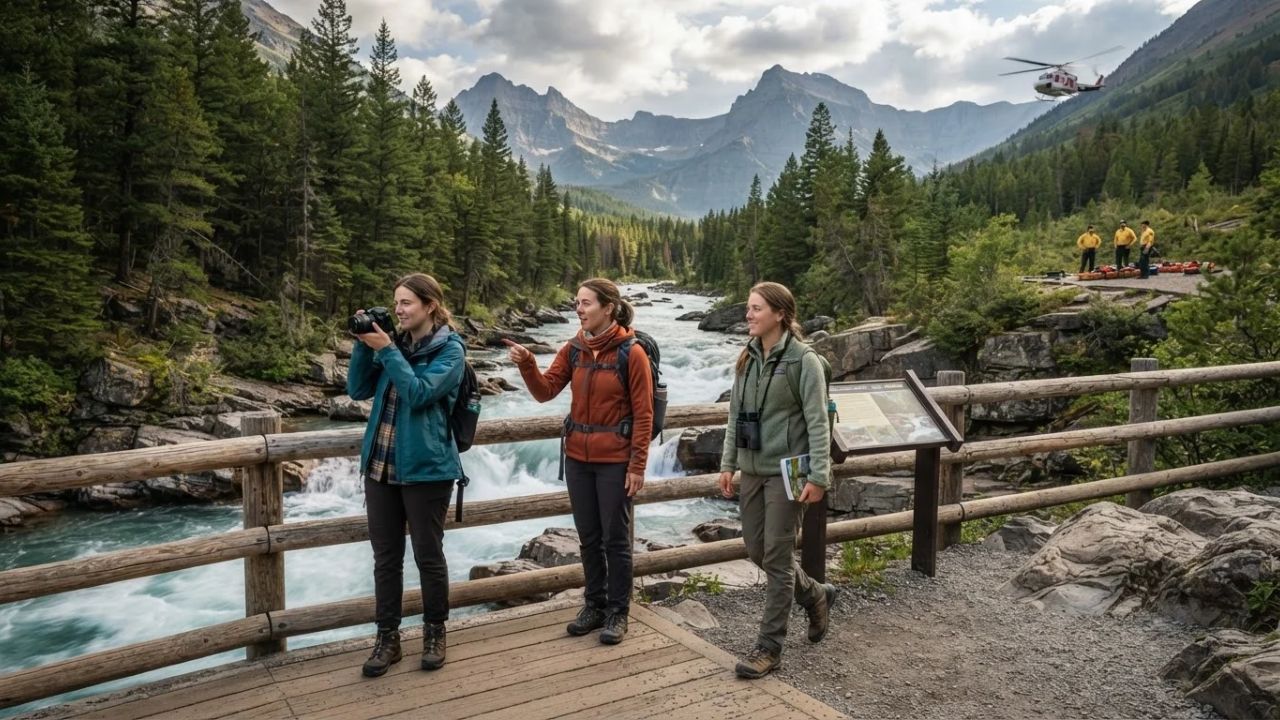
Image generated by AI
A dramatic 120-foot fall at McDonald Falls on August 13, 2026, has renewed focus on wilderness safety at Glacier National Park, illustrating the severe risks of standing on unstable natural edges. The rescue of 60-year-old traveler Ken Nurse highlights the complex logistics of backcountry emergencies and the importance of respecting park guidelines.
The Reality of Wilderness Safety in National Parks
The National Park Service welcomes millions of visitors to America's natural wonders each year, but these protected zones are active ecosystems with natural hazards, not controlled theme parks. As outdoor recreation grows, park officials find that many accidents occur because the beauty of the scenery can create a false sense of security. Travelers frequently move closer to cliffs, fast-moving rivers, and steep banks to capture photographs, underestimating the volatility of the terrain.
McDonald Creek and other glacier-fed waterways present unique hazards. The water is extremely cold and flows with powerful currents, while the surrounding rocks are wet and slippery. Soil erosion, loose gravel, and moisture can cause riverbanks and cliff edges to collapse without warning. Understanding these risks is necessary for preventing accidents and ensuring a safe outdoor experience.
The McDonald Falls Accident and Rescue Operation
On August 13, 2026, 60-year-old visitor Ken Nurse fell approximately 120 feet into Upper McDonald Creek near McDonald Falls. Nurse was taking photographs near the McDonald Creek Bridge when the ground collapsed beneath him, causing him to fall down the steep bank into the water. The National Park Service classified the incident as an accident, and no safety violations were reported.
The rescue required immediate coordination from multiple teams:
- Bystander Intervention: A bystander spotted Nurse floating face-down in the fast-moving creek, entered the water, and pulled him to a shallow area. The rescuer performed CPR until Nurse began breathing.
- Emergency Dispatch: Glacier National Park dispatch was alerted, coordinating the response teams.
- Specialized Extraction: Because the steep canyon terrain prevented a standard helicopter landing, the Two Bear Air Rescue team utilized a specialized hoist operation to lift Nurse from the creek bed.
- Medical Transfer: Nurse was flown by medical flight to Logan Health Medical Center for treatment of his injuries.
This emergency highlights the challenges of wilderness rescues, which often require specialized aviation equipment, trained rescue climbers, and significant time to access remote locations.
Historical Safety Analysis: Glacier National Park Accidents
To help visitors understand regional hazards, the National Park Service documents past accidents. These incidents show that wilderness terrain requires constant attention, and accidents can happen even to experienced outdoor enthusiasts:
- 2026 Mt. Brown Lookout Trail Bear Encounter: A fatal grizzly bear encounter on the Mt. Brown Lookout Trail highlighted wildlife risks. The park is home to both grizzly and black bears. The NPS advises hikers to carry bear spray, travel in groups, and make noise in areas with limited visibility to avoid surprising wildlife.
- 2025 Highline Trail Fall: A 73-year-old hiker died after falling from a narrow, exposed section of the Highline Trail while walking with a group. This route is famous for its mountain views but features steep drop-offs that require constant attention.
- 2025 Mount Gould climbing accident: A climber fell and died while descending a difficult, off-trail alpine route on Mount Gould. Alpine climbing involves loose rock, exposure, and changing weather beyond maintained trail networks.
- 2024 Avalanche Creek Water Accident: A visitor died after entering the water near Avalanche Creek. Mountain streams feature strong currents and slippery rocks.
- 2024 Sprague Creek Swimming Accident: A visitor drowned in Lake McDonald near Sprague Creek. Glacier-fed lakes remain cold throughout the year, presenting risks of sudden cold-water shock even for strong swimmers.
- 2024 St. Mary Falls River Accident: A visitor died after being swept away near St. Mary Falls, an area characterized by powerful water flows and slippery rock surfaces.
Ecological Impact and Responsible Travel Practices
For the visitor, the real impact of staying on designated pathways is the preservation of the park's fragile environments. Moving off-trail accelerates soil erosion, destroys subalpine vegetation, and destabilizes riverbanks, increasing the risk of landslides. Following the National Park Service's guidelines helps protect these ecosystems from human impact.
Furthermore, practicing sustainable travel—such as packing out all trash, disposing of wastewater properly, and respecting wildlife boundaries—ensures that the park remains healthy for future visitors. Ecotourism in Glacier National Park relies on travelers acting as stewards of the environment, respecting the wild rather than treating it as a background for photography.
For example, you can explore the changing dynamics of US Cities Drive Global Tourism Through BBQ, Jazz, Sports, and Authentic Heritage to see how regional pride is shaping travel. For budget-conscious travelers, aligning slow city travel with municipal transit options mirrors similar regional initiatives, such as the Free Admission at Select US State Parks programs. This trend is similar to the tourism growth seen in other destinations, as detailed in our guide on how Utica, New York Emerges as an Affordable Northeast Tourism Hub.
Visitor Insider Tips: Navigating Glacier Safely
To enjoy Glacier National Park's trails, viewpoints, and waterways safely, keep these practical tips in mind:
- Stay on Marked Viewpoints: When taking photographs of waterfalls or canyons, remain behind safety railings and on designated platforms. Never climb over barriers for a closer view.
- Carry Bear Spray: Always carry bear spray in an accessible location (such as a hip holster) rather than inside your backpack. Know how to release the safety tab and spray effectively before hitting the trail.
- Check Trail Conditions: Visit the park's official website or stop at a visitor center to check trail updates, construction notices, and bear activity reports before starting your hike.
- Prepare for Cold Water: Avoid swimming in glacier-fed lakes like Lake McDonald unless you are prepared for cold-water temperatures. Never enter fast-moving streams or climb on wet rocks near waterfalls.
- Wear Proper Footwear: Wear sturdy hiking boots with good traction on trails like the Highline to prevent slips on loose gravel or wet rock.
Long-Term Outlook for National Park Tourism
The long-term outlook for tourism in Glacier National Park is focused on visitor education and infrastructure management. As visitor numbers rise, the National Park Service will continue to update trail markers, reinforce barriers at popular viewpoints, and expand educational safety programs.
By balancing visitor access with conservation and safety measures, the park can continue to welcome travelers while protecting its wilderness resources.
FAQ
What happened at McDonald Falls on August 13, 2026?
A 60-year-old visitor, Ken Nurse, fell approximately 120 feet into Upper McDonald Creek while taking photographs near the McDonald Creek Bridge. He was rescued by Two Bear Air Rescue and treated at Logan Health Medical Center.
Are visitors fined for falling in Glacier National Park?
If an incident is determined to be an accident rather than a deliberate violation of restricted zones, no citations are issued. The NPS focuses on public education to prevent future falls.
How should hikers prepare for bear encounters in the park?
Hikers should carry bear spray, hike in groups, make noise on the trail, and maintain a minimum distance of 100 yards from bears at all times.
Why are glacier-fed streams particularly dangerous?
Glacier-fed waters are extremely cold, which can cause sudden cold shock. They also feature strong undercurrents and slippery underwater rock surfaces.
Learn how to explore wilderness areas safely and responsibly.
Related Travel Guides
Disclaimer
This article is for informational and educational purposes only. It does not constitute legal, financial, or professional advice. While we strive to provide accurate and up-to-date information, travel policies, regulations, and conditions change rapidly. Always verify information with official sources before making travel decisions. Nomad Lawyer makes no representations about the accuracy, reliability, completeness, or suitability of the information provided. Readers should consult qualified professionals for advice specific to their circumstances. The views expressed in this article are those of the author and do not necessarily reflect the views of Nomad Lawyer.
Raushan Kumar
Founder & Lead Developer
Full-stack developer with 11+ years of experience and a passionate traveller. Raushan built Nomad Lawyer from the ground up with a vision to create the best travel and law experience on the web.
Learn more about our team →