
Germany Tourism Visitor Arrival Growth Q1 2026
Germany's tourism sector records over 2% visitor arrival growth in the first four months of 2026. Read updates.

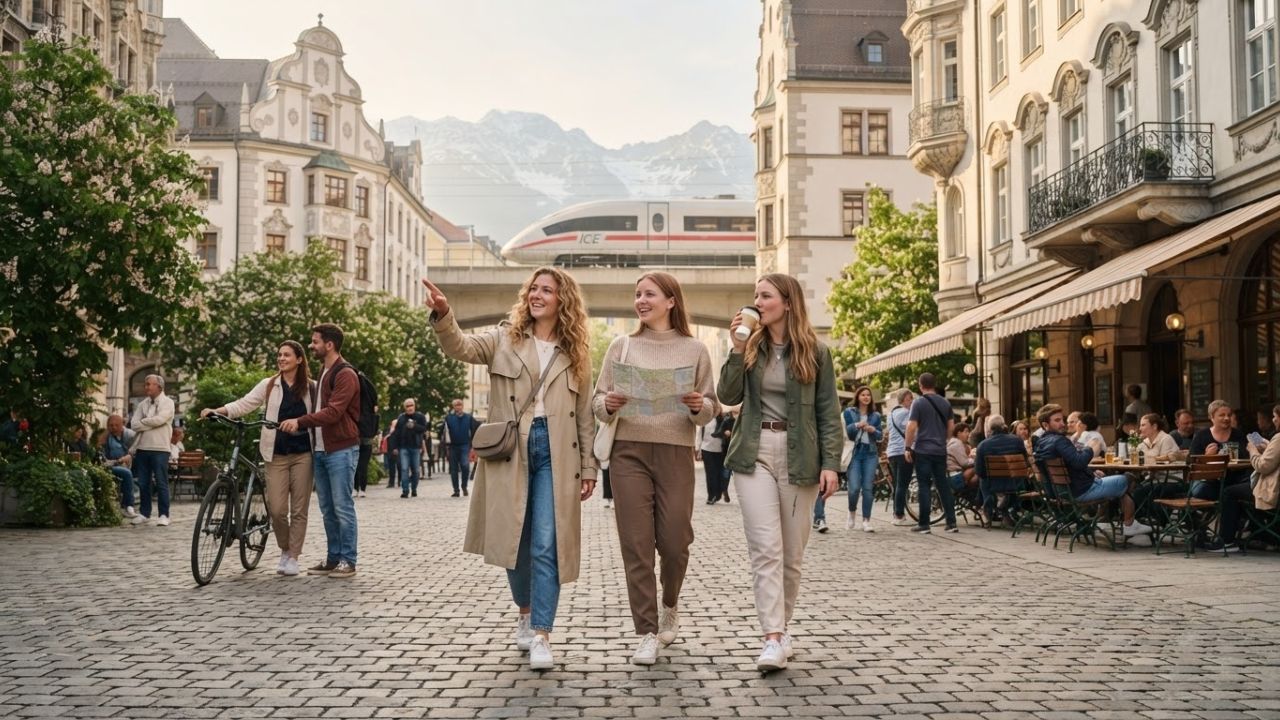
Image generated by AI
According to data compiled by global tourism bodies, Germany’s tourism sector recorded a visitor growth of over 2% between January and April 2026, strengthening the country’s position as a key travel destination in Europe.
The upward trend reflects a growing demand for authentic, sustainable, and culturally rich travel experiences that combine historic landmarks with modern infrastructure. Official registries from UN Tourism show international visitor arrivals increasing by 2.2% during the first four months of the year compared to the same period in 2025. This growth demonstrates Germany's ability to adapt to changing traveler expectations, offering a balanced travel ecosystem that integrates cosmopolitan cities, scenic rural areas, and innovative digital services.
The positive start to 2026 highlights a shift in travel habits toward year-round exploration, with visitors exploring both major urban centers and remote natural reserves. By promoting small-scale heritage routes and environmental travel options, regional tourism authorities are successfully distributing economic benefits beyond traditional tourist hotspots. Whether visiting Berlin for its contemporary art scene, exploring the fairy-tale castles of Bavaria, or using the country's high-speed rail network to travel between regional destinations, modern adventurers find a safe, organized, and welcoming environment. This sustainable travel model ensures that regional cultural heritage is protected while generating income for local hospitality businesses.
German Tourism Records Over 2% Growth in Early 2026
The early seasonal growth between January and April 2026 shows that Germany remains highly competitive in Europe's crowded travel market. Modern travelers are increasingly searching for destination choices that minimize environmental impact while maintaining high levels of comfort. Germany’s focus on sustainable transport networks, eco-friendly accommodations, and regional gastronomy makes it a preferred option for conscious explorers. To detail the key metrics and strategic priorities of the country's early 2026 performance, the following table summarizes the primary indicators:
| Tourism Performance Category | Q1 / Early 2026 Performance Metrics | Key Drivers & Primary Strategic Focus |
|---|---|---|
| Growth Period | January to April 2026 | Early season cultural city breaks, business conferences, and historic tours |
| Arrival Growth Rate | Over 2% (2.2% increase) | Rising interest in sustainable travel, cultural heritage, and central European transit |
| Data Authority | UN Tourism registries | Monitored through international travel dashboards and border records |
| Key Urban Centers | Berlin, Munich, Frankfurt, Hamburg | Major hubs for shopping, entertainment, museums, and international gateways |
| Key Regional Scenery | Bavarian Alps, Black Forest, Rhine Valley | Cycling routes, hiking trails, rural guesthouses, and scenic lakes |
| Business Travel Hubs | Frankfurt, Düsseldorf, Cologne, Hannover | Advanced conference facilities, trade fairs, and professional visitor networks |
Strategic Promotion and Digital Innovation Power Germany's Tourism Growth
Germany's tourism industry is gaining strength by shifting away from a reliance on major cities to promote a broader range of travel options, including countryside excursions and historic hiking routes. The German National Tourist Board’s international campaigns highlight regional identities, traditional festivals, and sustainable travel options, encouraging visitors to explore new areas throughout the year. This strategy helps attract repeat visitors who want to experience local culture at a slower pace.
Digital innovation is also playing a major role in transforming the visitor experience, with smart destination services and online planning platforms making travel more convenient. International visitors can access digital guidance and integrated booking services to organize transit, check real-time travel updates, and explore local dining specialties. Furthermore, the country is positioning itself as a leader in sustainable tourism by promoting rail-based exploration and encouraging travelers to choose eco-certified hotels, aligning with modern travelers' environmental priorities.
Historic Cities and Regional Scenery Drive Inbound Travel
Germany's major cities remain powerful magnets for international arrivals, offering a balance of historic landmarks and modern lifestyles. Berlin continues to attract visitors with its creative culture and museums, while Munich provides a traditional Bavarian experience with direct access to alpine trails. Frankfurt serves as a key gateway for business tourism and global connectivity, and Hamburg draws travelers with its maritime heritage and waterfront districts.
At the same time, regional travel is expanding as nature lovers explore the Bavarian Alps, the Black Forest, and the Rhine Valley. Outdoor activities like cycling and hiking along marked trails are becoming key parts of the country's tourism identity. This regional distribution is also supported by Germany's business tourism sector, with major hubs like Düsseldorf, Cologne, and Hannover hosting international conferences that draw millions of professional visitors, many of whom extend their stays to explore the surrounding regions.
Why This Matters (Information Gain & Experience)
For the traveler, this means that Germany offers a highly organized, accessible, and value-for-money destination that combines urban excitement with peaceful nature escapes. Visiting during the spring and autumn shoulder seasons allows travelers to explore UNESCO World Heritage sites and historic castles without the long queues and higher hotel rates of the peak summer months. From a logistical standpoint, the country’s high-speed rail network makes it easy to design low-stress itineraries that connect major cities with remote mountain villages.
Additionally, choosing to practice sustainable travel during your trip directly supports the conservation of Germany's diverse ecosystems and local traditions. Travelers can practice eco-friendly travel by using public transit, staying in family-run guesthouses, and purchasing food from local farmers at weekly markets. Trying regional specialties like sauerbraten (pot roast), hand-scraped spätzle egg noodles, and currywurst from independent street stalls ensures that your spending directly supports the local economy. Returning Pfand bottles to recycling stations and following local environmental guidelines helps preserve the natural scenery, ensuring that the country remains a beautiful destination for future generations of global explorers.
Related Travel Guides
Disclaimer
This article is for informational and educational purposes only. It does not constitute legal, financial, or professional advice. While we strive to provide accurate and up-to-date information, travel policies, regulations, and conditions change rapidly. Always verify information with official sources before making travel decisions. Nomad Lawyer makes no representations about the accuracy, reliability, completeness, or suitability of the information provided. Readers should consult qualified professionals for advice specific to their circumstances. The views expressed in this article are those of the author and do not necessarily reflect the views of Nomad Lawyer.
Raushan Kumar
Founder & Lead Developer
Full-stack developer with 11+ years of experience and a passionate traveller. Raushan built Nomad Lawyer from the ground up with a vision to create the best travel and law experience on the web.
Learn more about our team →