
Brazil Adventure Travel Destinations and Natural Wonders
Brazil emerges as a top adventure travel destination with 8 remarkable locations showcasing sand dunes, wetlands, rain forests, and marine reserves. Read updates.

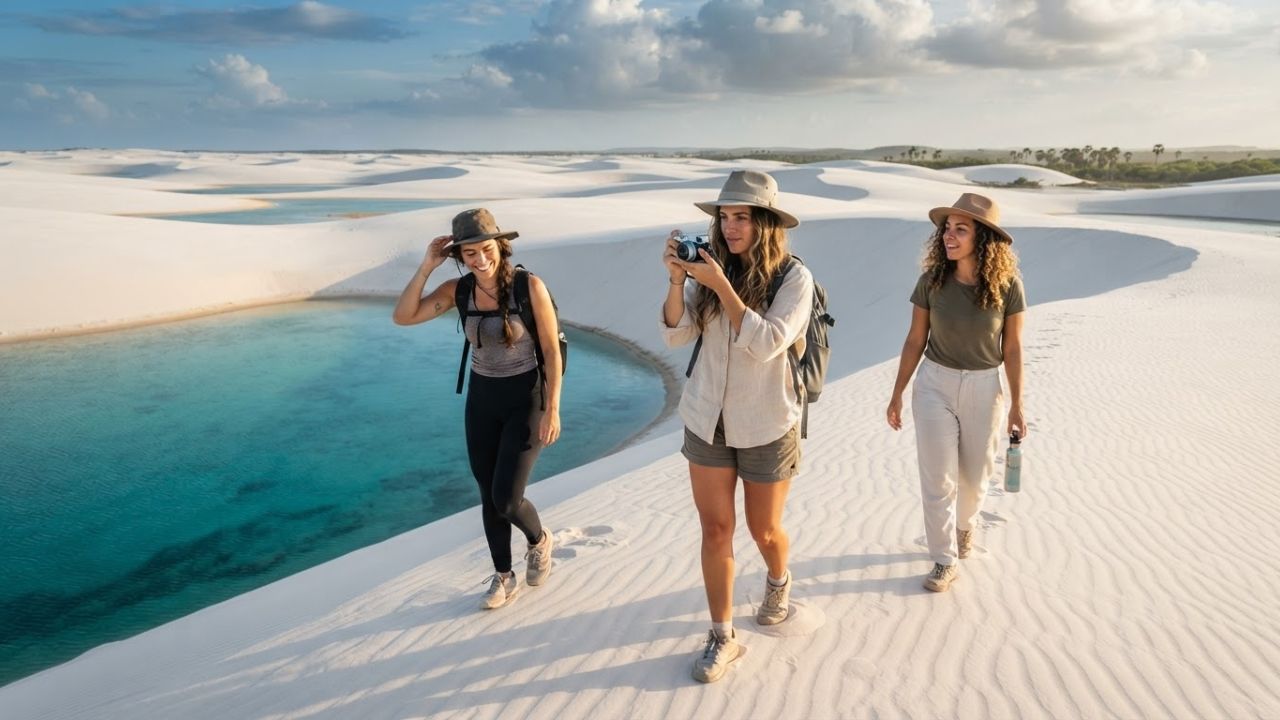
Image generated by AI
According to geographical reports published on August 15, 2026, Brazil is redefining adventure travel through a curated selection of eight remarkable destinations that showcase the country's biodiversity.
Spanning nearly 8.5 million square kilometres and featuring six major biomes, the South American nation offers an extraordinary mix of terrain and ecosystems that go far beyond its famous cities and Atlantic coastline. From endless sand dunes and hidden freshwater lagoons to ancient rainforests, powerful waterfalls, rich wetlands, and untouched marine sanctuaries, these protected environments highlight the country's wild heart. By promoting low-impact exploration and supporting local communities, these destinations offer a sustainable path for travelers seeking immersive outdoor experiences.
The growth of nature-based travel in Brazil reflects a broader global shift toward conservation-minded tourism, where travelers seek remote environments that highlight environmental protection. Managing these fragile ecosystems requires strict visitor controls, cooperation with local farming families, and the preservation of traditional handicrafts. Whether navigating the flooded forests of the Amazon by canoe, tracking jaguars along the riverbanks of the Pantanal, or trekking through the historic diamond-mining trails of Chapada Diamantina, travelers can witness a scenery shaped entirely by natural forces. Choosing local guides and family-run accommodations ensures that tourism revenue directly supports regional communities.
Brazil's Diverse Scenery Spans Six Major Biomes
Brazil's immense geographic scale allows it to host some of the planet's most important natural wonders, protected under regional and global conservation frameworks. While many visitors begin their journeys in urban centers, the true depth of the country's biodiversity is found in its remote parks and state reserves. To help travelers plan their outdoor journeys, the following table summarizes the key metrics, best travel periods, and primary attractions of the country's top eight adventure destinations:
| Adventure Destination | Protected Area & Scale | Key Travel Window & Seasonal Conditions | Primary Natural Attractions |
|---|---|---|---|
| Lençóis Maranhenses | Around 155,000 hectares | June to September (lagoons are full after the rains) | White sand dunes up to 40 metres high, clear lagoons |
| Amazon Rainforest | Approx. 5.5 million sq. km (60% in Brazil) | May to July (flooded canopy), Sept to Nov (hiking) | Dense jungle, river navigation from Manaus gateway |
| Pantanal Wetland | Largest tropical wetland on Earth | July to October (dry season animal spotting) | Northern jaguars around Porto Jofre, capybaras, otters |
| Foz do Iguaçu | 275 waterfalls across 2.7 km width | August to November (pleasant weather, strong water) | 80-metre-deep drop at Devil's Throat canyon |
| Itacaré Coastline | Southern coast of Bahia | September to March (warm and dry surfing weather) | Atlantic forest meeting the ocean, secluded beaches |
| Fernando de Noronha | Volcanic archipelago of 21 islands | Year-round (visibility up to 40 metres deep) | Spinner dolphins, marine turtles, protected reefs |
| Chapada Diamantina | Around 152,000 hectares | April to October (dry season trekking conditions) | Vale do Pati long-distance trail, caves, waterfalls |
| Jalapão State Park | Cerrado savanna of Tocantins | May to September (improved dirt road conditions) | Fervedouros natural springs, golden grass handicrafts |
Dunes of Lençóis Maranhenses and the Amazon River Systems
Located in northeastern Brazil, Lençóis Maranhenses National Park is one of the country’s most unique natural environments, added to the UNESCO World Heritage list in 2024. The protected area covers around 155,000 hectares and creates an illusion of a vast desert filled with endless white sand dunes. However, unlike traditional deserts, this region receives significant rainfall, which gathers between the towering dunes during the wet season to create thousands of temporary freshwater lagoons. The ideal period to explore these changing dunes is between June and September when the lagoons are full and perfect for swimming and photography.
Further inland, the Amazon Rainforest represents one of Earth's most important ecological treasures. Approximately 60% of this enormous jungle, covering about 5.5 million square kilometres, lies within Brazilian borders and supports more than 75% of the country's mammal species. Exploring this roadless wilderness is primarily a river-based experience, with Manaus serving as the main gateway. Between May and July, rising water levels allow visitors to canoe through flooded forests beneath the canopy, while lower water levels from September to November reveal river beaches and dry-land hiking routes that make wildlife observation easier.
Wildlife Viewing in the Pantanal and the Cascades of Foz do Iguaçu
For travelers searching for direct wildlife encounters, the Pantanal stands as South America's premier wetland paradise, offering open grasslands that make animal spotting easier than in the dense jungle. The northern Pantanal, particularly around Porto Jofre, is globally famous for its jaguar population, which can be observed along riverbanks during the dry season from July to October. Visitors can also encounter giant otters, capybaras, and colorful macaws while exploring this delicate wetland ecosystem.
On the southern border between Brazil and Argentina, Foz do Iguaçu features a spectacular waterfall system of approximately 275 individual cascades spread across a 2.7-kilometre-wide area. Protected as a UNESCO World Heritage site, the falls culminate in the Devil's Throat, a dramatic canyon where enormous volumes of water plunge into an 80-metre-deep drop. Beyond the waterfalls, the surrounding national park protects an important section of Brazil’s Atlantic Forest. The best window to visit is between August and November, offering a balance of strong water flows and pleasant weather.
Coastal Rainforests of Itacaré and the Marine Sanctuary of Fernando de Noronha
Along the southern coast of Bahia, Itacaré preserves the natural connection between the tropical Atlantic Forest and the sea, offering secluded beaches surrounded by thick jungle that are accessible only via forest trails. Known as one of Brazil's leading surfing destinations, the area provides excellent conditions for coastal hiking and water sports during the warm, dry season from September to March.
Off the coast of Pernambuco, the volcanic archipelago of Fernando de Noronha comprises 21 islands and islets located 545 kilometres out in the Atlantic Ocean. Famous for its exceptionally clear waters, which offer underwater visibility of up to 40 metres, this UNESCO-protected destination serves as a vital sanctuary for spinner dolphins, sea turtles, and colorful reef fish. Strict visitor caps and environmental taxes are enforced to protect this fragile marine ecosystem from the pressures of overtourism.
Mountain Trails in Chapada Diamantina and the Golden Sands of Jalapão
In the interior of Bahia, Chapada Diamantina National Park protects around 152,000 hectares of dramatic mountains, deep valleys, and caves. The park is famous for the Vale do Pati, a long-distance trekking route that follows historic trails from the 1840s diamond mining era. Trekking through this roadless region during the dry season from April to October allows travelers to stay with local farming families, fostering cultural connections.
Finally, Jalapão State Park in Tocantins provides a remote escape into Brazil's Cerrado savanna, known for golden sand dunes, river canyons, and fervedouros. These natural springs force underground water through sandy pools at high pressure, allowing visitors to float effortlessly without sinking. The region is also famous for traditional golden grass handicrafts, which support local community economies. The best time to visit is during the dry season from May to September when unpaved roads are in their best condition.
Why This Matters (Information Gain & Experience)
For the traveler, this means that exploring Brazil offers an opportunity to connect with untouched natural wonders that are far removed from overcrowded coastal resorts. Selecting a multi-day trek through Chapada Diamantina or a river safari in the Pantanal allows you to experience the country's wild environments at a slower pace, fostering personal resilience and environmental awareness. From a logistical standpoint, planning your visit around specific seasonal windows—such as June for the dunes of Lençóis Maranhenses or September for Amazon river beaches—is essential to ensure that travel routes are open and weather conditions are favorable.
Additionally, practicing sustainable travel in these delicate biomes ensures that your tourist spending directly benefits local conservation efforts and rural communities. Travelers can support host communities by staying in locally owned pousadas, hiring native guides who understand regional wildlife patterns, and purchasing golden grass handicrafts directly from independent artisans in Jalapão. Respecting local environmental guidelines, minimizing plastic waste, and keeping a safe distance from endangered species helps protect Brazil's natural heritage. This thoughtful approach transforms adventure travel into a meaningful contribution toward habitat preservation and cultural respect.
Related Travel Guides
Disclaimer
This article is for informational and educational purposes only. It does not constitute legal, financial, or professional advice. While we strive to provide accurate and up-to-date information, travel policies, regulations, and conditions change rapidly. Always verify information with official sources before making travel decisions. Nomad Lawyer makes no representations about the accuracy, reliability, completeness, or suitability of the information provided. Readers should consult qualified professionals for advice specific to their circumstances. The views expressed in this article are those of the author and do not necessarily reflect the views of Nomad Lawyer.
Raushan Kumar
Founder & Lead Developer
Full-stack developer with 11+ years of experience and a passionate traveller. Raushan built Nomad Lawyer from the ground up with a vision to create the best travel and law experience on the web.
Learn more about our team →