France’s Secret Side Emerges As 10 Stunning Small Towns Transform Heritage, Nature And Culture Into Must-Visit Travel Destinations

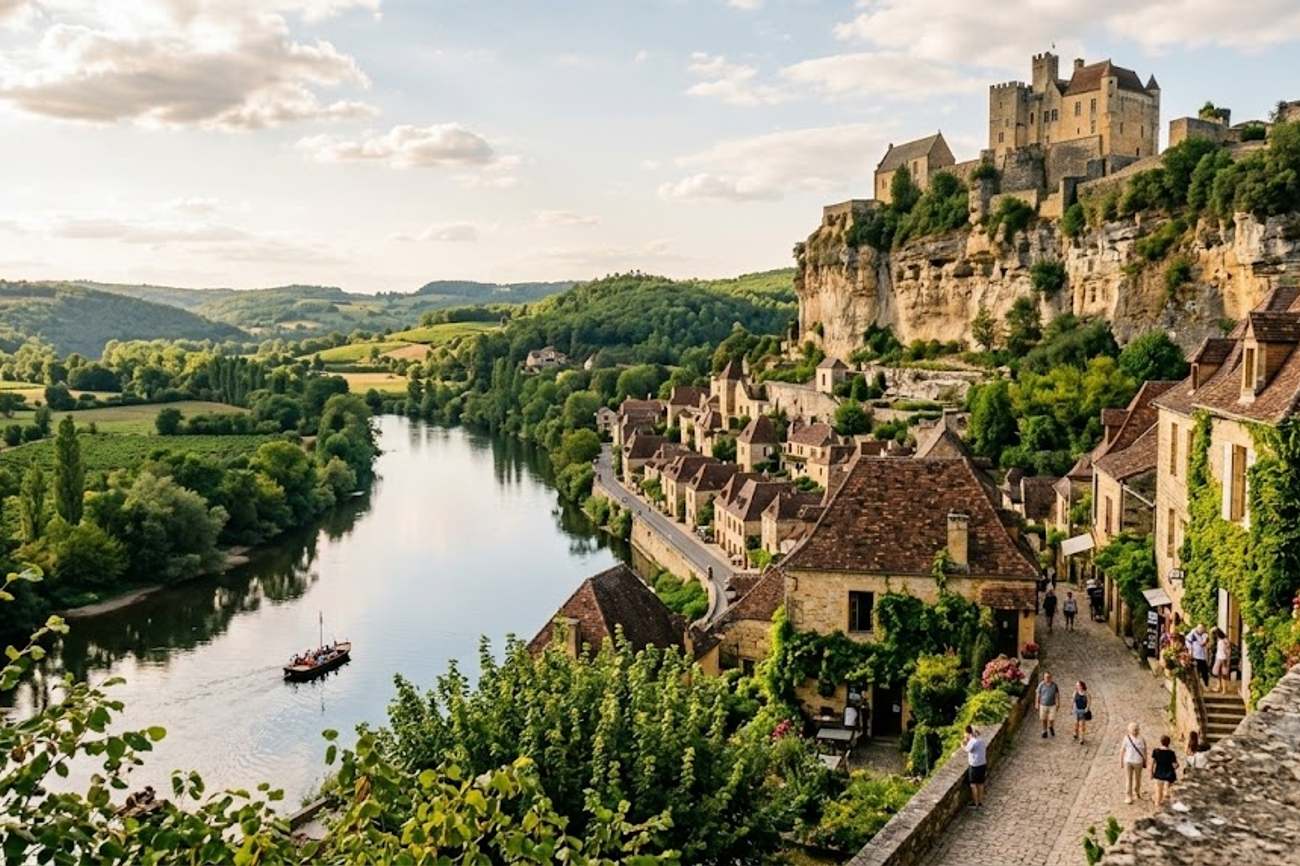
Image generated by AI
[Paris, October 2023] — The French government has officially designated 10 small towns as primary cultural hubs to decentralize tourism away from Paris and the French Riviera. This strategic pivot aims to leverage the country's diverse architectural heritage and geographical variation to stimulate economic growth in rural and historic communities.
The initiative targets a growing global demand for immersive, "slow travel" experiences. By promoting destinations such as Gordes, Eguisheim, Èze, Rocamadour, and Veules-les-Roses, France is positioning its rural interior as a viable alternative to its saturated urban centers. The campaign emphasizes the preservation of medieval ruins, citadels, and traditional wineries to attract high-spending cultural tourists.
The Shift Toward Rural Tourism
The surge in interest for France's smaller municipalities is driven by a desire for authenticity over traditional sightseeing. Travelers are increasingly seeking environments where the local geography—ranging from coastal cliffs to mountain valleys—directly dictates the architecture and daily rhythm of the community.
France's cultural strategy now focuses on three primary pillars of attraction:
- Historic Preservation: The maintenance of fortified walls, stone houses, and medieval street layouts.
- Regional Identity: The promotion of local crafts, community traditions, and specific wine-growing regions.
- Natural Integration: Utilizing geological wonders, including canyons, lakes, and vineyards, as primary tourist draws.
This movement is supported by strict conservation laws ensuring that buildings remain in their original state, preventing the "museumification" of these towns and maintaining their living history for future visitors.
Targeted Destinations and Regional Impact
The promoted towns are spread across various administrative regions to ensure a balanced distribution of visitor traffic.
| Destination | Region | Primary Architectural/Natural Draw |
|---|---|---|
| Gordes | Provence-Alpes-Côte d’Azur | Pale limestone hilltop structures overlooking Luberon Valley |
| Eguisheim | Grand Est | Concentric circular medieval lanes and half-timbered houses |
| Èze | Provence-Alpes-Côte d’Azur | Coastal cliffside settlement |
| Rocamadour | Occitanie | Vertical sanctuary built into limestone cliffs |
| Veules-les-Roses | Normandy | Coastal riverine village |
The Ministry of Culture and regional tourism boards are focusing on these sites to highlight the variegated history of France, moving beyond the centralized narrative of the capital.
Practical Traveler Advisory and Strategic Insights
For the modern traveler, this shift means a transition from "checklist tourism" to experiential exploration. However, visiting these rural hubs requires a different logistical approach than navigating a major city.
Transport Logistics Most of these designated towns, particularly hilltop villages like Gordes and Rocamadour, are not serviced by high-speed rail. Travelers must rely on regional transport hubs and rental vehicles. The SNCF network provides access to nearby larger towns, but "last-mile" connectivity remains a challenge.
Budgetary Adjustments Costs vary wildly based on the level of immersion desired:
- Budget (€70–€110/day): Relies on gîtes (traditional holiday homes), local bakeries, and public transit.
- Mid-range (€150–€260/day): Involves boutique hotels, car rentals, and paid castle entries.
- Luxury (€350–€700+/day): Focuses on stays in historic châteaux and private guided tours.
Seasonal Planning Timing is critical to avoid the "overtourism" that plagues the French Riviera.
- Spring (May to mid-June): Ideal for walking tours with temperatures between 18°C and 24°C.
- Summer (July to August): Peak season for lavender fields in Provence, though travelers should expect crowded streets and inflated hotel rates.
- Autumn (September to October): The primary window for wine tourism and harvest festivals.
- Winter (November to December): Specifically targeted at the Alsace region for traditional Christmas markets.
The Future of French Rural Development
The French government expects this initiative to create a sustainable tourism ecosystem that benefits local artisans and farmers. By directing traffic toward the Grand Est and Occitanie regions, the state hopes to reduce the environmental and social strain on Paris.
France's secret side is emerging as a must-visit destination, with 10 stunning small towns transforming their heritage, nature, and culture into unique travel experiences. For travelers planning to visit these hidden gems, it's essential to check the latest entry requirements and travel guidelines on the official government website of France to ensure a smooth journey. From picturesque villages to vibrant cultural festivals, France's small towns offer a wealth of exciting experiences for visitors.
The next phase of the rollout involves integrating these small towns into broader "cultural corridors," allowing tourists to move seamlessly between multiple historic villages. This will likely include expanded regional signage and improved digital mapping for rural routes.
FAQ: Visiting Rural France 2024
Do I need a car to visit towns like Gordes or Rocamadour? Yes. While trains reach regional hubs, these specific villages are often located on hilltops or in remote areas. A rental car is the only practical way to access them and explore surrounding sites like the Abbaye Notre-Dame de Sénanque.
What is the best month to avoid crowds but still have good weather? May to mid-June is the optimal window. Temperatures are mild (18°C to 24°C), and the peak summer rush of July and August has not yet arrived, making parking and accommodation more accessible.
What is a "gîte" and should I stay in one? A gîte is a furnished holiday home, typically in a rural area. They are excellent for budget and mid-range travelers wanting an authentic experience, though they often require more self-sufficiency than a standard hotel.
Which region is best for winter travel? The Grand Est region, specifically villages like Eguisheim in Alsace, is the premier winter destination due to its world-famous Christmas markets and festive medieval atmosphere.
France is betting that the future of luxury travel lies not in the city, but in the silence of its stone villages.
Related Travel Guides
This article is for informational purposes. Flight routes, passenger regulations, visa rules, and transit advisories are subject to change by airlines and aviation authorities. Readers are advised to verify schedules and travel documentation with relevant carriers and border agencies before departure.
Related Stories
Cape Town Completes Table View Beachfront Coastal Transformation Ahead of 2026-2027 Summer Season
Colorado’s Nine Affordable Mountain and Plains Towns for Retirement: Scenic Beauty and Budget Guide 2026