Japan And Other Asian Nations May Now See Asia Tourism Slow As The Global Growth Forecast Falls To 1–2%

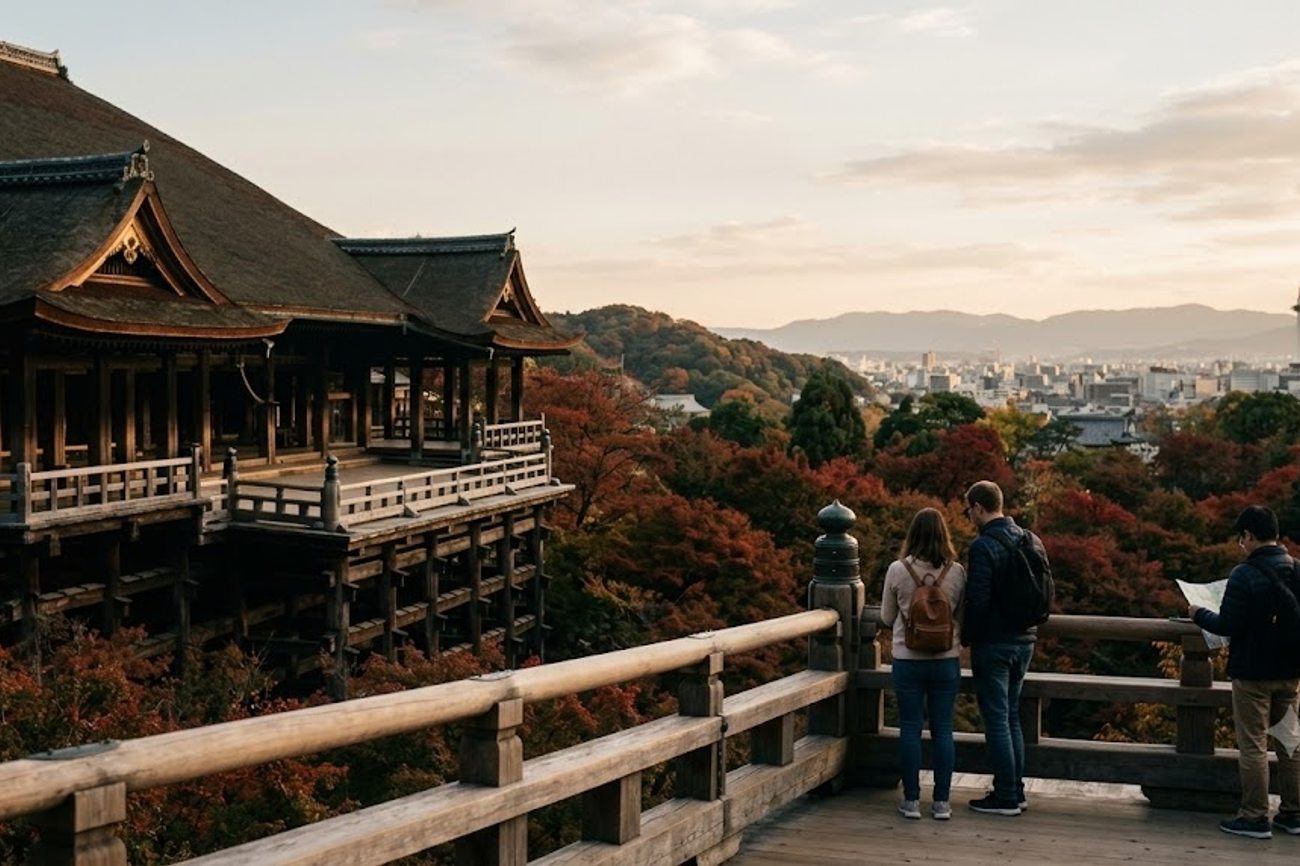
Image generated by AI
title: "Navigating the Shift: The Reality of Traveling Through Asia and Japan in 2026" date: "2026-05-20" category: "Destination Features" Despite the global narrative of a travel slump, North-East Asia—including Japan—actually outperformed the broader region in the first half of 2026, recording a 3% increase in arrivals while the wider Asia-Pacific region grew by only 1%. This divergence proves that while the macro-economic outlook is cooling, the pull of Japanese culture and urban exploration remains a powerful outlier in a volatile market.
The Cooling Momentum of Asian Travel
The current atmosphere for travel across Asia is defined by a cautious recalibration. UN Tourism recently adjusted its 2026 international-arrival growth forecast downward, shifting from an expected 3%–4% growth rate to a more modest 1%–2%. For those of us who track the rhythms of these cities, this isn't about a lack of interest in the destinations, but rather a collision of external pressures. Between January and June 2026, roughly 690 million people traveled internationally, a mere three million more than the previous year.
The numbers reveal a stuttering start to the year. While the first quarter saw a 2% rise in arrivals, the second quarter contracted by 1%. April specifically saw a 3% dip, though this was partly an artificial result of Easter shifting into March. However, the 3% decline in June suggests a deeper trend of weakening momentum. For the Asia-Pacific region, the struggle is the long shadow of 2019; arrivals here remain 11% below pre-pandemic levels, leaving a gap that hotels and local operators are still fighting to close.
What Makes Japan the Regional Anchor
While the "Japan Asia Tourism Slowdown" is a phrase circulating in economic circles, the data tells a more nuanced story. Japan does not sit at the center of the regional weakness; instead, it acts as a stabilizer. The 3% growth in North-East Asia suggests that travelers are prioritizing stable, high-value destinations over more volatile regions.
The appeal of Japan in 2026 lies in its ability to offer a predictable, high-quality experience amidst global chaos. While the Middle East saw a staggering 22% fall in arrivals due to conflict and airspace restrictions, Japan’s infrastructure—from the precision of the Japan Rail Pass network to the curated experiences in Kyoto—provides a sanctuary of reliability. The experience here is less about the "mass tourism" of the 2010s and more about a shift toward intentionality. Travelers are moving away from the "checklist" approach to the Golden Route and are instead seeking out the quieter rhythms of the Tohoku region or the art islands of the Seto Inland Sea.
Visitor Insider Tips
Navigating Asia in 2026 requires a move away from generic booking platforms and a shift toward local agility.
Timing Your Arrival Avoid the traditional "peak" windows. With the current volatility in flight costs and the impact of shifting holiday calendars (like the March Easter shift), the "shoulder" seasons are now the gold standard. For Japan, target late May or early November. You avoid the crushing crowds of cherry blossom season and the oppressive humidity of August, while still catching the aesthetic peaks of the landscape.
Transport Hacks Flight prices remain high due to oil costs and redirected flight paths. To mitigate this, look into "open-jaw" tickets—fly into Tokyo and out of Osaka or Fukuoka. This eliminates the need for a costly and time-consuming return trip across the country. For regional travel within Asia, lean on local low-cost carriers but book through official airline sites to ensure easier rescheduling if weather disruptions occur.
Local Etiquette and Integration In Japan, the "over-tourism" fatigue is real in districts like Gion. To be a welcomed guest, embrace the concept of kankō kōgai (tourism pollution) awareness. Visit popular shrines before 8:00 AM and explore residential neighborhoods with a quiet footprint. When dining, seek out shokudo (small local eateries) rather than English-menu tourist hubs; a simple "Osusume wa nan desu ka?" (What do you recommend?) will open doors to the best regional specialties.
Neighborhood Bases Instead of staying in Shinjuku or Ginza, look toward Yanaka in Tokyo for a "low city" feel, or the Nakagyo ward in Kyoto. These areas allow you to live among locals rather than in a tourist bubble, providing a more authentic lens on daily life.
Cultural and Environmental Context
The intersection of tourism and local life in Asia is currently at a crossroads. The revised growth forecasts of 1%–2% are actually a blessing in disguise for many local communities. The era of hyper-growth led to unsustainable pressure on infrastructure and a dilution of cultural heritage. Now, there is a pivot toward "regenerative tourism"—the idea that a visitor should leave a place better than they found it.
Environmental volatility is the new constant. The impact of Typhoon Sinlaku in Oceania and extreme heatwaves in Western Europe (which caused a 6% decline in June arrivals) serves as a warning for Asia. In Japan, the focus has shifted toward protecting UNESCO World Heritage sites from the wear and tear of millions of footsteps. This includes stricter regulations on photography in historic districts and a push for visitors to venture into the "deep" countryside to distribute economic benefits more equitably.
The economic pressure—inflation and high fuel costs—is also changing who visits. We are seeing a transition from high-volume, low-spend tourism to a smaller number of high-value travelers who stay longer and engage more deeply with the community. This shift is essential for the survival of traditional crafts and ryokans that cannot compete with the scale of international hotel chains.
FAQ: Visiting Asia 2026
What is the best time to visit Japan in 2026? Target the shoulder seasons: late May or early November. This avoids the volatility of the peak holiday crowds and the extreme weather events that have recently disrupted global travel patterns.
Do I need a new visa for Japan or other Asian destinations? No new visa or passport rules were announced in the 2026 outlook. Existing destination-specific requirements remain in force. Always check the official Visit Japan Web portal before departure.
How do I handle the increased cost of flights? Use open-jaw ticketing to reduce internal travel and monitor fuel surcharges. Booking directly with airlines often provides better flexibility for rescheduling during the weather disruptions seen this year.
Is it safe for solo travelers in the region? Yes, Japan and most Asia-Pacific destinations remain among the safest globally. However, stay updated on official travel guidance regarding weather alerts and regional conflicts that may affect flight paths.
The true art of travel in 2026 is not in following the map, but in reading the rhythm of the city.
Related Travel Guides
- Papua New Guinea’s Kainantu Rocked by 6.4 Earthquake as Travel Risks Mount Across the Highlands
- Beck Hole North Yorkshire Why This Tiny Village Is Perfect For An Autumn Walking Escape
- America’s Top 5 Haunted Attractions 2026 Revealed As Halloween Destinations Deliver Immersive Horror Adventures Across USA
This article is for informational purposes. Flight routes, passenger regulations, visa rules, and transit advisories are subject to change by airlines and aviation authorities. Readers are advised to verify schedules and travel documentation with relevant carriers and border agencies before departure.
Related Stories

Melbourne Airport Unveils AU$500 Million T2 Baggage Upgrade: Traveler Guide 2026
Cape Town Completes Table View Beachfront Coastal Transformation Ahead of 2026-2027 Summer Season