France-Germany Rail Expansion 2026: Guide to One Journey One Ticket and New Sleeper Routes

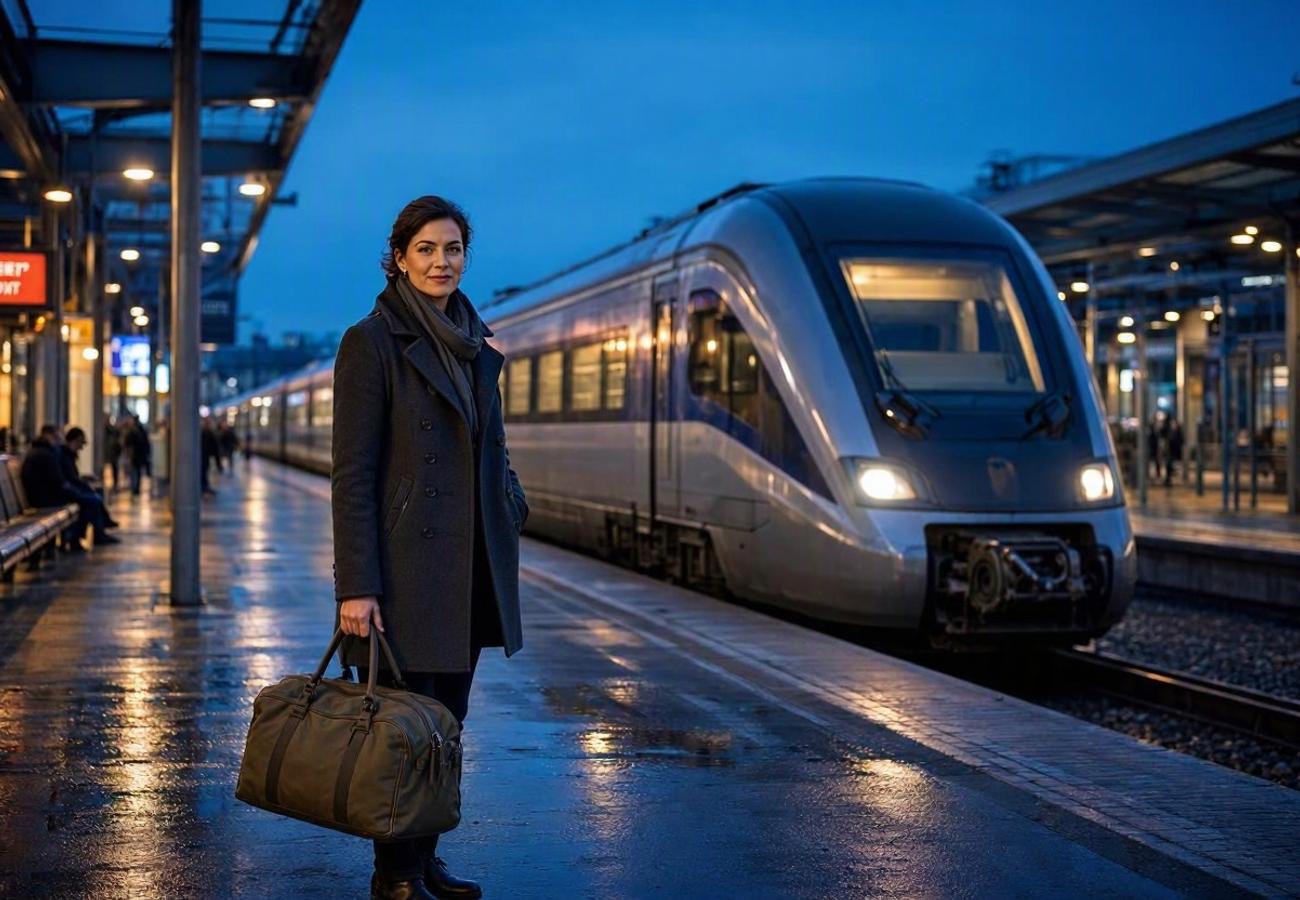
Image generated by AI
Planning a multi-country trip through Europe in 2026? You need to know how the new "One Journey One Ticket" system and expanded cross-border rail networks will change your booking process and passenger rights.
The Shift to Integrated European Rail
The European rail landscape is undergoing a fundamental transformation in 2026. Rather than treating international travel as a series of disconnected segments, the European Union is pushing a "One Journey One Ticket" framework. This initiative aims to eliminate the friction of using multiple operator websites and fragmented fare systems for a single itinerary.
For the traveler, this means the ability to book a trip spanning three or four countries in a single transaction. More importantly, it addresses the "missed connection" nightmare; under the new package, passenger protections are being strengthened across the entire itinerary, regardless of how many different rail companies operate the various legs of the journey. This integration is supported by physical expansions, including the Rail Baltica project and a revival of overnight sleeper services.
Route and Schedule Details
The 2026 expansion focuses on high-capacity corridors and the strategic return of night trains to optimize travel time.
| Route | Main Operators | Aircraft/Train Type | Indicative Starting Fare | Status |
|---|---|---|---|---|
| Paris $\rightarrow$ Berlin | European Sleeper | Sleeper Train | €79.99 (Shared) / €279.99 (Private) | Active |
| Paris $\rightarrow$ Munich | TGV INOUI / ICE | High-Speed Rail | €90 – €139 | Active |
| Malmö $\rightarrow$ Oslo | Various | Daytime Rail | Dynamic Pricing | Active |
| Copenhagen $\rightarrow$ Hamburg | Various | Daytime Rail | DKK 221 | Active |
| Copenhagen $\rightarrow$ Berlin | Various | Daytime Rail | DKK 456 | Active |
| Copenhagen $\rightarrow$ Prague | Various | Daytime Rail | DKK 510 | Active |
Traveler Logistics Guide
To take full advantage of the 2026 rail network, follow these practical steps for booking and transit:
1. Booking Strategy Stop booking individual legs through separate national carriers. Prioritize platforms that support the "One Journey One Ticket" integration. This ensures that if your first train is delayed, your onward connection is protected under a single booking reference. For high-speed French segments, use SNCF Connect to check for integrated German ICE connections.
2. Managing Sleeper Train Logistics The Paris-Berlin sleeper is designed to save on hotel costs. If you are traveling on a budget, the Shared Classic compartment at €79.99 is the most economical. However, for business travelers or those requiring security for electronics, the Private Classic compartment (starting at €279.99) is recommended. Note that these prices are dynamic and spike during peak holiday windows.
3. Scandinavian Transit The Malmö–Gothenburg–Oslo spine now takes approximately 6.5 hours. Because this route uses dynamic pricing, avoid booking "on the day." Secure your tickets at least 14 days in advance to avoid the highest fare brackets.
4. Customs and Border Transitions While most of these routes operate within the Schengen Area, always carry a valid passport. The transition from the Copenhagen–Berlin–Prague corridor involves crossing three borders; while physical checks are rare, digital manifests are often shared between operators.
Regional Connectivity Impact
This expansion reshapes how travelers view the European map. Paris has evolved into the primary continental hub, allowing for seamless "web" itineraries. Instead of isolated city breaks, you can now realistically plan linear journeys such as Paris $\rightarrow$ Berlin $\rightarrow$ Prague $\rightarrow$ Vienna without the logistical headache of multiple ticketing systems.
In Northern Europe, the link between Malmö and Oslo effectively bridges the gap between the Scandinavian peninsula and continental Europe. A traveler can now move from Germany into Denmark, Sweden, and Norway using a single mode of transport, removing the need for short-haul regional flights.
FAQ: European Rail Expansion 2026
Do I need a transit visa for the Paris-Berlin-Prague route? If you hold a passport from a visa-exempt country for the Schengen Area, no additional transit visa is required. Always verify your specific nationality's requirements via the official EU portal.
How long is the layover when connecting from Paris to Munich? Layovers vary by schedule, but high-speed TGV and ICE services are timed for efficiency. Check your integrated ticket for the specific connection window; typically, 30-60 minutes is sufficient for these hubs.
Can I check bags through on the One Journey One Ticket system? Rail travel generally requires passengers to carry their own luggage. However, sleeper services provide dedicated storage. There is no "checked luggage" system similar to airlines for these rail corridors.
How much should I budget for a Copenhagen to Prague train? Starting fares are approximately DKK 510, but because pricing is dynamic, you should budget between DKK 600 and DKK 1,200 depending on how close to the departure date you book.
Stop flying short-haul and start booking the continent as a single map.
Related Travel Guides
This article is for informational purposes. Flight routes, passenger regulations, visa rules, and transit advisories are subject to change by airlines and aviation authorities. Readers are advised to verify schedules and travel documentation with relevant carriers and border agencies before departure.
Related Stories
European Mass Protests Disrupt Travel Across France, Italy, Belgium, and Turkey in 2026

Spain and France Lead Global Winter Tourism Rankings 2026 as Seasonal Travel Shifts