European Winter Wellness 2026: Thermal Bathing and Sauna Logistics Across 8 Countries

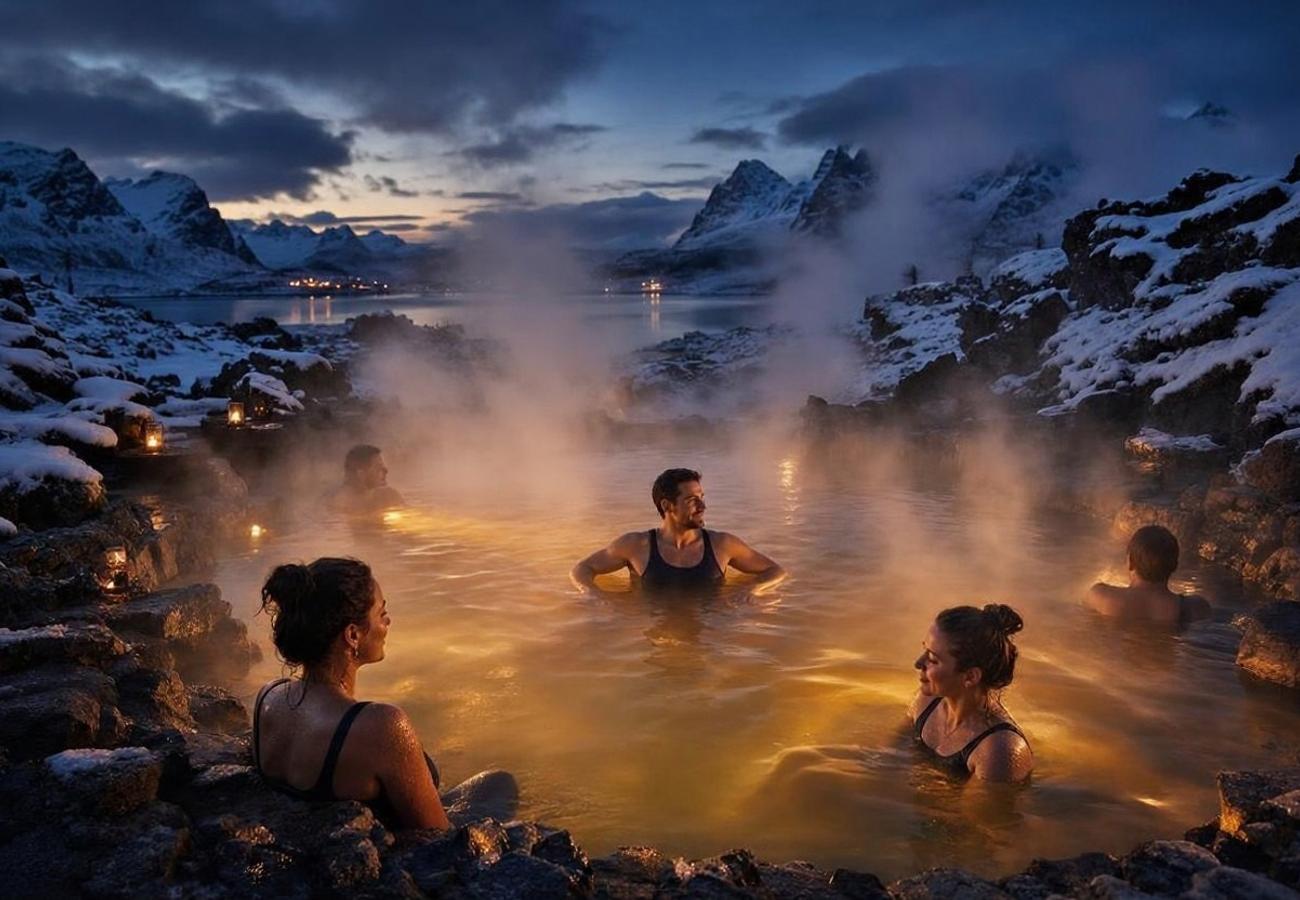
Image generated by AI
Eight European nations are currently leveraging their geothermal and mineral assets to pivot winter tourism away from traditional skiing and toward high-yield wellness itineraries. This strategic shift is evident in the diversification of offerings, ranging from the sulphurous springs of the French Pyrenees to the high-humidity herbal steam rooms of Germany, creating a fragmented but lucrative market for short-break travelers.
The Geopolitics of Geothermal Tourism
The rise of "wellness migrations" during the winter months is not accidental. Countries like Iceland and Hungary have institutionalized their natural thermal resources to ensure year-round occupancy in hotels and local services. By integrating these facilities into existing tourist corridors—such as Iceland's Golden Circle or Budapest's City Park—these destinations reduce the seasonality of their tourism revenue.
For the traveler, this means a shift in logistical requirements. Visiting a historic urban bath like the Széchenyi complex requires different planning than a remote mountain soak in Dorres. The former is an exercise in urban navigation via public transit, while the latter necessitates private transport into the Pyrénées-Orientales department.
Comparative Analysis of Winter Wellness Infrastructure
The technical specifications of these facilities vary wildly. Travelers often conflate "thermal baths" with "saunas," but the physiological impact and facility regulations differ. Thermal baths rely on mineral-rich groundwater, whereas saunas utilize dry or humid heat.
The following data outlines the operational specifications for the primary 2026 winter wellness hubs:
| Destination | Facility Type | Key Temperature Data | Primary Feature | Access/Cost |
|---|---|---|---|---|
| Dorres, France | Natural Thermal | Spring: 41°C / Pool: 38°C | Sulphurous water | €6 (Regional listing) |
| Laugarás, Iceland | Geothermal Lagoon | 38°C – 40°C | Aurora viewing | ISK 6,900–9,900 |
| Budapest, Hungary | Historic Urban Bath | Indoor: 28–40°C / Outdoor: 38°C | 11 indoor pools | Millennium Underground |
| Bad Ems, Germany | Mineral Spa | Pools: 18–38°C / Steam: 47°C | 30+ trace minerals | Lahn Valley region |
Expert Analysis: The Logistics of Thermal Travel
For travelers booking these routes, the direct consequence of this wellness trend is a heightened need for "micro-itinerary" planning. Many of these sites, particularly in France and Iceland, operate on strict seasonal windows. For instance, the Laugarás Lagoon defines its winter season specifically from 3 November to 30 April. Missing these windows or failing to account for the 19:00 final entry time can disrupt an entire regional excursion.
The pricing pressure in these markets is also shifting. While the France Official Tourism Board promotes accessible options like the €6 entry in Dorres, high-demand sites in Iceland and Hungary are moving toward mandatory advance booking systems. This mirrors a broader trend in European tourism where "walk-in" availability is being phased out to manage crowd density and environmental impact.
Furthermore, the health regulations surrounding these facilities are distinct. In Germany's Emser Therme, the 47°C herbal steam bath is not a lounging area but a therapeutic tool, with a recommended duration of only 10–15 minutes. Travelers who ignore these guidelines risk heat exhaustion, highlighting the gap between "leisure bathing" and "thermal therapy."
Key Takeaways
- Temperature Variance: Expect water temperatures between 38°C and 41°C for outdoor thermal pools, but be prepared for indoor swimming pools to be as cool as 18°C in some German facilities.
- Booking Windows: High-traffic sites, especially those linked to the International Air Transport Association (IATA) flight hubs like Budapest, require advance reservations during peak winter months.
- Logistical Constraints: Remote sites like Bains Romains de Dorres require independent transport, whereas urban baths are integrated into city transit systems.
- Health Guidelines: Steam rooms (e.g., Bad Ems) have strict 10–15 minute limits due to high humidity and temperatures reaching 47°C.
FAQ: European Thermal Travel 2026
What is the difference between a geothermal lagoon and a thermal bath? Geothermal lagoons, common in Iceland, use volcanic heat to warm large bodies of water. Thermal baths, like those in Hungary or the UK, typically utilize mineral-rich springs that emerge from the earth at high temperatures.
Can I see the Northern Lights from a thermal pool? Yes, destinations like Laugarás Lagoon are positioned for this. However, sightings depend on solar activity and weather; they are a possibility, not a guaranteed service of the facility.
Are there specific health risks associated with thermal bathing? High-temperature pools (38°C+) and steam rooms (47°C) can cause dehydration or dizziness. It is recommended to limit steam sessions to 15 minutes and stay hydrated.
Do I need special clothing for these facilities? Standard swimwear is required. For Nordic saunas in Norway or Sweden, which often involve "cold-water dips," bringing a robe and thermal footwear for the transition between heat and ice is advised.
The intersection of geology and luxury continues to redefine the European winter.
Related Travel Guides
This article is for informational purposes. Flight routes, passenger regulations, visa rules, and transit advisories are subject to change by airlines and aviation authorities. Readers are advised to verify schedules and travel documentation with relevant carriers and border agencies before departure.
Related Stories
EEA Photo Awards 2026: Spain, Türkiye, and Iceland Reveal the Fragile State of European Nature Tourism
New Zealand Visa Changes Delayed to Nov 23 2026 Amid South Island Weather Warnings