France Student Protests 2026: Paris Museum Closures and Transport Disruptions Impact Tourism

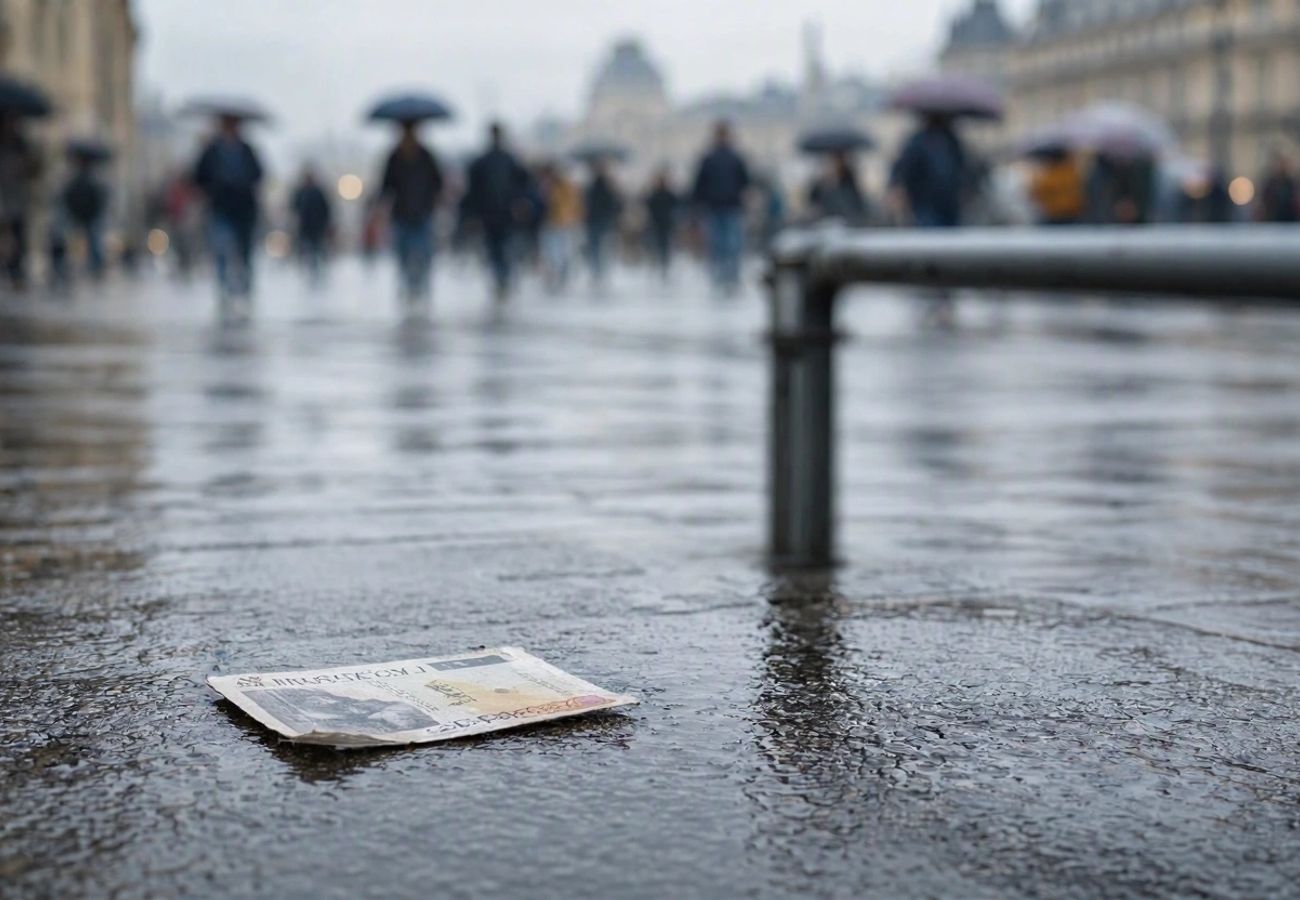
Image generated by AI
800,000 participants is the figure reported by the CGT trade union for nationwide demonstrations on 24 October 2026, signaling a massive escalation of social unrest. While the French Ministry of the Interior provided a lower estimate of 400,000 people—including 110,000 in Paris alone—the disparity in data highlights the scale of a movement that has evolved from student grievances into a broad national crisis. What began as a dispute over university funding and the cost of living has now materialized as a systemic risk to France's tourism infrastructure, manifesting in sudden attraction closures and logistical bottlenecks.
From Campus Grievances to National Gridlock
The current instability is rooted in a student-led movement demanding expanded access to higher education, upgraded university facilities, and increased financial aid to combat inflation. However, the movement has successfully bridged the gap between academia and the workforce. Trade unions and various labor groups have integrated their demands into the protests, transforming localized student strikes into a national movement.
For the international traveler, this shift is critical. When protests are limited to campuses, the impact on tourism is negligible. When they merge with general trade union strikes, the result is a coordinated disruption of the public services—transport, sanitation, and security—that the tourism economy relies upon.
Quantifying the Disruption to Paris Cultural Sites
The vulnerability of Paris's "cultural anchors" became evident on 19 October 2026, when student demonstrators successfully blocked access to the Louvre. This was not a planned closure but a forced one, leaving thousands of visitors with pre-booked, timed-entry tickets unable to enter.
The instability peaked on 24 October, with a wave of closures affecting several of the city's most prestigious institutions.
Impact on Major Paris Attractions (October 2026)
| Attraction | Date of Disruption | Primary Cause | Impact on Visitor |
|---|---|---|---|
| Louvre Museum | 19 October 2026 | Student Blockade | Total access denial; ticket loss |
| Musée d’Orsay | 24 October 2026 | National Protests | Temporary closure |
| Musée de l’Orangerie | 24 October 2026 | National Protests | Temporary closure |
| Grand Palais | 24 October 2026 | National Protests | Temporary closure |
| Musée national Picasso-Paris | 24 October 2026 | National Protests | Temporary closure |
| Sainte-Chapelle | 24 October 2026 | National Protests | Temporary closure |
Expert Analysis: The Ripple Effect on Travel Logistics
For travelers booking trips to France during this period, the direct consequence is a breakdown in "predictable itinerary planning." The closure of a site like the Louvre is rarely an isolated event; it typically coincides with security perimeters that render entire districts inaccessible.
The pricing pressure and economic risk are most visible in the hospitality sector. Reports from Le Monde indicate that over 3,000 businesses have felt the impact of the unrest. While there has not been a total collapse in demand, the "friction cost" of travel has increased. Hotels are reporting a trend of early departures and a spike in cancellations as visitors react to real-time social media reports of unrest.
From a legal and logistical standpoint, the most significant risk lies in transport. The Paris Metro and RER networks are the arteries of the city. On 24 October, targeted station closures were implemented for security reasons. For a traveler, a closed station doesn't just mean a longer walk; it means navigating a city where road traffic is simultaneously stalled by demonstrations, making ride-share services like Uber or official taxis unreliable.
While the International Air Transport Association (IATA) has not reported nationwide flight suspensions, the "last mile" problem is acute. The corridors between Charles de Gaulle (CDG) and Orly (ORY) airports and the city center are susceptible to road diversions, meaning airport transfer times can double or triple without warning.
Key Takeaways
- Data Discrepancy: Official government figures (400k) and union figures (800k) both confirm a massive scale of unrest that can spontaneously close major tourist sites.
- Institutional Vulnerability: High-profile museums (Louvre, Orsay, Picasso) are primary targets for blockades, rendering timed-entry tickets useless during protest peaks.
- Transport Volatility: Metro and RER stations are subject to sudden, security-led closures, particularly in central Paris.
- Regional Spread: While Paris is the epicenter, cities like Lyon and Marseille are experiencing infrastructure damage and tourism uncertainty.
- Hospitality Impact: Over 3,000 businesses have been affected, with a noted increase in early hotel departures.
FAQ: France Travel Disruptions 2026
Are all museums in Paris currently closed? No. Closures are typically temporary and linked to specific protest dates. Most museums remain open, but visitors should check official websites daily for "exceptional closure" notices.
Is it safe to use the Paris Metro during protests? Generally, yes, but specific stations in protest zones are often closed by authorities. Avoid stations near major government buildings or the Louvre during announced demonstration dates.
Will my flights to Paris be canceled due to student protests? Flight operations at CDG and Orly have remained stable. The primary risk is not the flight itself, but the ground transport from the airport to your hotel.
What should I do if my pre-paid museum ticket is wasted due to a closure? Contact the museum's guest services immediately. While policies vary, many institutions offer rescheduling or refunds for closures caused by "force majeure" events like civil unrest.
When the streets of Paris become a political stage, the traveler's best tool is flexibility over a fixed itinerary.
Related Travel Guides
This article is for informational purposes. Flight routes, passenger regulations, visa rules, and transit advisories are subject to change by airlines and aviation authorities. Readers are advised to verify schedules and travel documentation with relevant carriers and border agencies before departure.
Related Stories

European Mass Protests Disrupt Travel Across France, Italy, Belgium, and Turkey in 2026
Asia Aviation Crisis 2026: 2,010 Delays and 320 Cancellations Hit Mumbai, Jakarta, and Delhi