Lee County and Florida Municipalities Post Record Tourist Tax Revenues

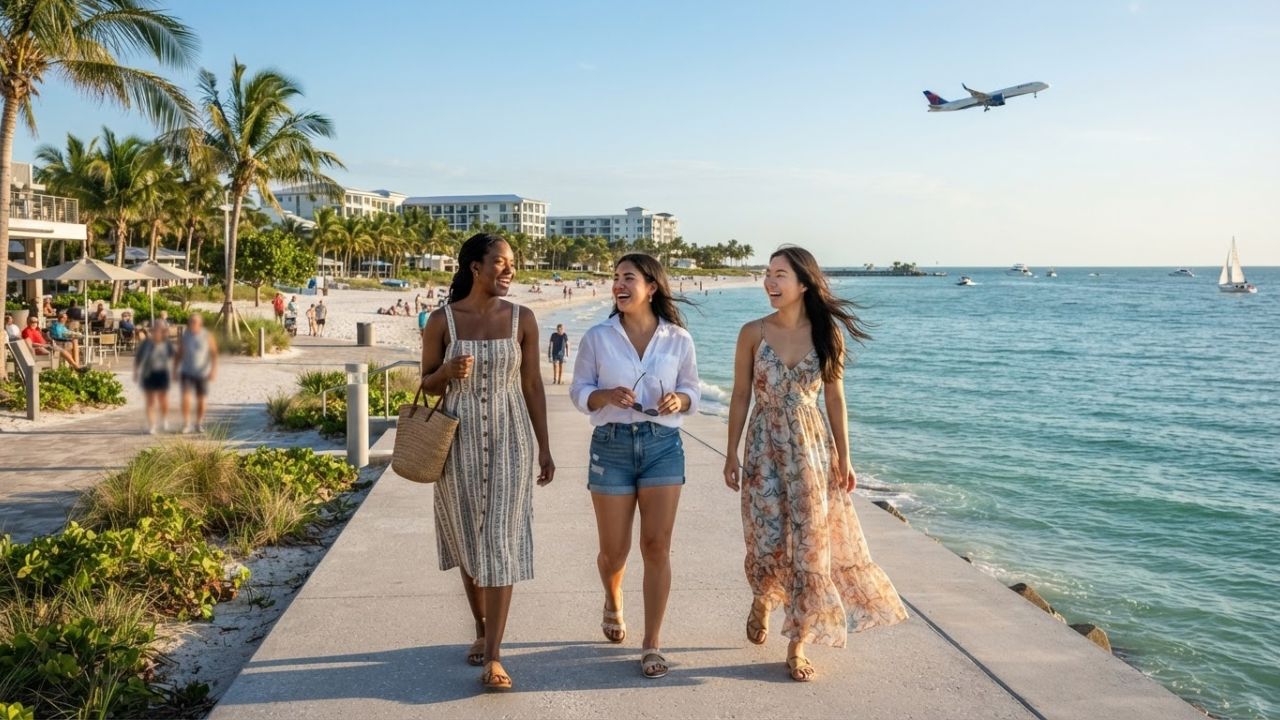
Image generated by AI
Driven by rebuilding success and rising room rates, Florida's travel sector has generated $133.6 billion in economic impact, saving the state's 9 million households nearly $2,000 each in annual taxes.
Florida Coastal Counties Record Unprecedented Tourist Tax Collections
The tourism sector across Florida has shown exceptional strength in 2026, with coastal counties reporting record-breaking tourist development tax (TDT) collections. Coordinated marketing by Visit Florida and significant post-disaster rebuilding have revitalized regional destinations. According to the Lutgert College of Business's Regional Economic Research Institute (RERI), seasonally adjusted real tourist tax revenues for Florida's coastal counties reached $9.2 million in April 2026, representing a 4.8 percent month-over-month increase. Additionally, Visit Florida confirmed that travel generated $133.6 billion in economic impact, saving the state's 9 million households nearly $2,000 each in annual taxes.
Key regional performance metrics highlight this growth:
- Lee County (Fort Myers and Sanibel): During a three-month tracking period, the county hosted 763,000 visitors, generating $643 million in direct visitor spending (a 3.3% year-over-year increase). Paid accommodations accounted for $462 million (72% of spending). Preliminary monthly resort tax collections reached $2,682,648 (a 40.6% increase over the previous year), with year-to-date collections up over 35%. Sports tourism generated 36,513 room nights and $14.8 million in direct spending in a single quarter.
- Southwest Florida International Airport (RSW): Experienced record passenger traffic, handling 774,689 passengers in a single month (a 17.8% year-over-year increase).
- Pinellas County (St. Pete-Clearwater): Manages a 60/40 bed tax allocation split, where 60% of the 6% TDT is spent on marketing and 40% on capital projects like beach nourishment.
- Miami-Dade County: Leverages a localized bed tax structure (6% base rate, 7% in Miami Beach, and 4% in Surfside) to fund convention center upgrades and international marketing.
- Other Counties: Walton County implements a targeted 5% TDT in popular ZIP codes (such as Highway 30A) and 2% in other zones, while Okaloosa County adjusts tax districts seasonally.
Florida Tourism Economic and Tax Performance
| Performance Indicator | Verified Statistical Data |
|---|---|
| Visit Florida Statewide Economic Impact | $133.6 billion (Saves 9 million households nearly $2,000 annually) |
| Coastal Counties Real Tourist Tax (April 2026) | $9.2 million (4.8 percent month-over-month increase) |
| RSW Single-Month Passenger Volume | 774,689 passengers (17.8% year-over-year increase) |
| Fort Myers/Sanibel 3-Month Visitors | 763,000 visitors (Direct spending: $643 million, +3.3%) |
| Lee County Paid Accommodation Spend | $462 million (72% of total visitor expenditure) |
| Lee County Monthly Resort Tax Collection | $2,682,648 (40.6% year-over-year increase) |
| Lee County Year-to-Date Bed Tax Growth | Exceeded 35% year-over-year |
| Lee County Sports Tourism Impact | 36,513 room nights ($14.8 million direct spend in a single quarter) |
| Pinellas County TDT Reinvestment Split | 60% Global Marketing / 40% Capital Projects (6% TDT rate) |
| Miami-Dade County TDT Rates | 6% base rate (7% in Miami Beach, 4% in Surfside) |
| Walton County TDT Rates | 5% in coastal ZIP codes (Highway 30A), 2% elsewhere |
| Lee County TDT Reinvestment Breakdown | 26.4% beach/shoreline improvements, 20.0% stadium debt service |
| Lee County Lodging Unit Performance | +11.3% lodging units, +5.1% ADR, +0.7% RevPAR, -4.2% occupancy |
| Lee County International Inbound Share | Nearly 10% (Canada: 4.2%; UK/Germany rising) |
| Florida State Sales Tax Rate | 6.5% collected alongside local bed taxes |
Allocating Tourist Development Tax Revenues for Shoreline Restoration
For the traveler, the real impact of rising tourist tax collections is the direct, visible enhancement of the coastal environment. In Florida's beach communities, TDT revenues are strictly ring-fenced for conservation and public amenities. In Lee County, exactly 26.4% of all bed tax collections is legally allocated for beach and shoreline nourishment and restoration projects. This funding allows local authorities to rebuild boardwalks, protect sand dunes, and clean coastal waters without using local residential property taxes.
The Lee County Visitor & Convention Bureau (VCB), Visit St. Pete-Clearwater, and the Florida Department of Revenue emphasize that managing short-term vacation rentals (via Airbnb and VRBO) under local TDT rules is vital for preserving regional settings. Collecting the 5% local bed tax alongside the 6.5% state sales tax ensures that temporary visitors fund the public services and environmental protection programs they use, maintaining natural ecosystems for residents and future travelers.
Local Insider Tips for Travelers Heading to Fort Myers and Sanibel
To make the most of your journey and enjoy these coastal environments comfortably, keep these practical visitor tips in mind:
- Identify Favorable Off-Peak Windows: Visit Southwest Florida during the shoulder season of late spring (May to early June) or late autumn (October to November) to avoid the peak winter crowd and secure lower accommodation rates. These months offer pleasant beach weather before summer rains or winter cold.
- Observe Coastal Etiquette and Laws: When visiting Sanibel Island, follow local shell-collecting rules. It is illegal to harvest live shells, sand dollars, or starfish; return them to the ocean. Always discard trash in designated recycling bins to protect local sea turtle nesting zones.
- Savor Local Dining Specialties: Support family-run diners. Try fresh, locally caught Gulf Shrimp or Stone Crab Claws at independent seafood spots in Fort Myers Beach, avoiding national chain restaurants to keep your travel spending within the community.
- Explore Under-the-Radar Highlights: Instead of only visiting major resort beaches, take a day trip to explore the quiet trails of the J.N. 'Ding' Darling National Wildlife Refuge on Sanibel Island, supporting local preservation guides.
Long-Term Outlook for Florida's Regional Hospitality Industry
In the long run, Florida's improved tourism revenue performance highlights a shift toward high-yield premium travel. According to lodging data from the Lee County VCB, available lodging units returned to the market grew by 11.3% after rebuilding, while the Average Daily Rate (ADR) rose by 5.1%, bringing a Revenue Per Available Room (RevPAR) increase of 0.7% despite a minor 4.2% occupancy dip.
As international arrivals from Canada (which represent 4.2% of the visitor market) and Western Europe continue to grow, target marketing initiatives like London cab campaigns will continue to support the local hospitality workforce. Sustaining these revenue channels will allow Florida's coastal counties to invest in sustainable transport networks and airport infrastructure at RSW, maintaining the state's status as a leading global destination for decades to come.
Related Travel Guides
This article is for informational purposes. Flight routes, passenger regulations, visa rules, and transit advisories are subject to change by airlines and aviation authorities. Readers are advised to verify schedules and travel documentation with relevant carriers and border agencies before departure.
Related Stories

China’s US$280 Billion Luxury Travel Surge Challenges US Global Dominance as Wealthy Tourists Look East

Albany Christmas Festival and Pageant 2026: Essential Access and Transit Guide for Families