
Supermarket Tourism Emerges as Key Experiential Travel Trend in California
Supermarket tourism in California emerges as a multi-billion-dollar travel trend, with grocers like Erewhon and Trader Joe's drawing global visitors in 2026.

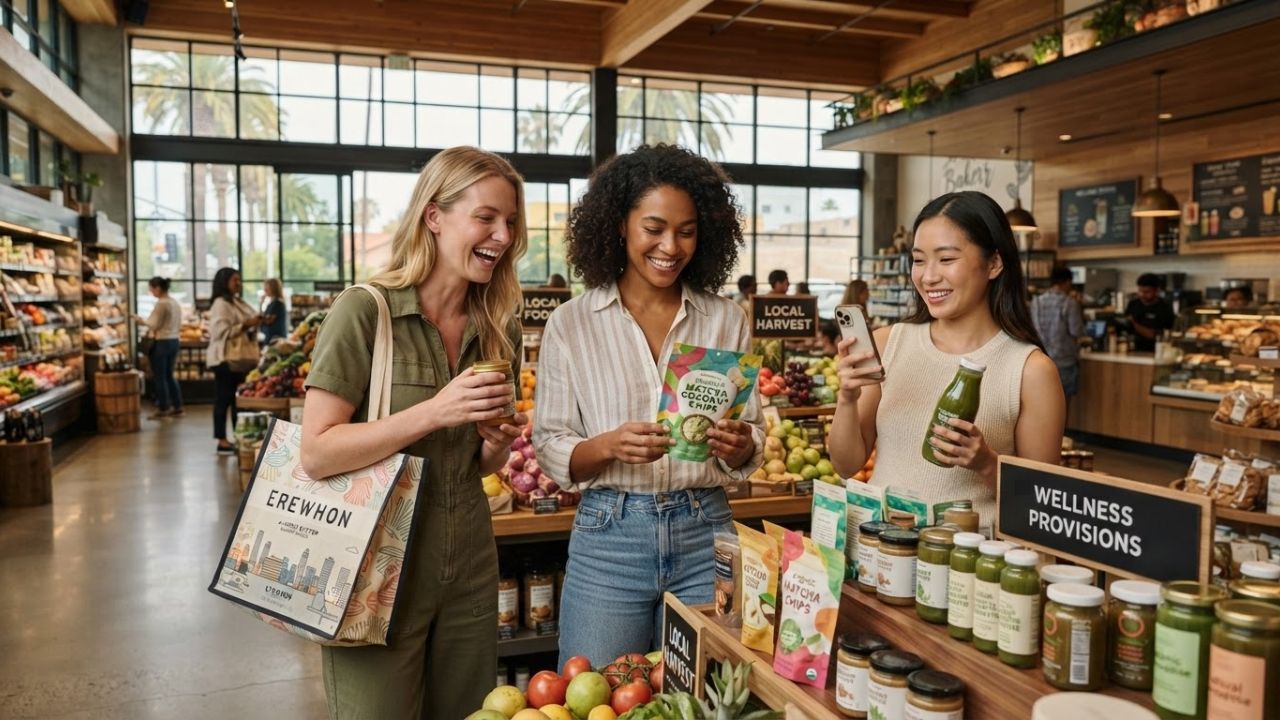
Image generated by AI
Driven by social media trends and a demand for cultural immersion, supermarket tourism has emerged as a multi-billion-dollar economic force in California, with tourists targeting grocery stores as primary destinations.
The Rise of Supermarket Tourism and Experiential Retail in California
A unique travel trend has emerged in the United States, with grocery stores and organic supermarkets becoming primary tourist attractions. Supermarket tourism in California has grown into a significant economic driver, with global travelers designing their itineraries around visits to specialty grocery chains to experience local diets and lifestyles.
This trend is supported by verified economic and tourism data:
- Visit California Economic Report: Published in April 2026 in partnership with Dean Runyan Associates, the report confirmed that travel spending in California reached $158.9 billion in 2025, a 1.7% increase from the previous year. State and local tax revenues grew to $13.6 billion (+3.6%), while food services spending generated $38.5 billion, a 4.6% increase. This spending supported 1.2 million jobs, adding roughly 4,350 jobs.
- Tourism Economics Forecast: Projects that California visitation will reach 276.6 million visitors by the end of 2026, with total travel spending expected to rise by 3.5% to $164.8 billion. In 2025, California captured 24% of all international visits to the U.S., welcoming 16.4 million international visitors.
- Premium and Speciality Grocers: Chains like Erewhon in Los Angeles have become landmarks, famous for celebrity-endorsed organic smoothies (which retail for upwards of $20) and branded canvas tote bags. Trader Joe's has also become a mandatory stop for international visitors purchasing private-label goods.
- Cultural Mega-Markets: Asian supermarkets like Mitsuwa Marketplace (Japanese), H Mart (Korean), and 99 Ranch Market (Taiwanese-American) attract travelers to in-store dining areas, food courts, and imported snack aisles. Early 2026 Placer.ai data confirms that fresh-format grocers saw strong visit growth, driven by prepared foods and seating areas.
California Travel, Food Spending, and Tourism Statistics
| Metric Category | Verified Statistical Data |
|---|---|
| 2025 California Travel Spending | $158.9 billion (1.7% increase from 2024) |
| 2025 State & Local Tax Revenue | $13.6 billion (3.6% year-over-year increase) |
| 2025 Food Services Spending | $38.5 billion (4.6% increase compared to 2024) |
| Travel-Supported Jobs (2025) | 1.2 million jobs (Growth of roughly 4,350 jobs) |
| Projected 2026 Visitation | 276.6 million visitors |
| Projected 2026 Travel Spending | $164.8 billion (Expected 3.5% increase) |
| California US Visit Share (2025) | 24% of international visits (16.4 million travelers) |
| Erewhon Celebrity Smoothie Price | Upwards of $20 |
| Key Specialty Food Chains | Erewhon, Trader Joe's, Mitsuwa, H Mart, 99 Ranch Market |
Supporting Local Agricultural Economies and Sustainable Shopping Practices
For the traveler, the real impact of supermarket tourism is the opportunity to support local agricultural supply chains directly, bypassing multinational distribution systems. Specialty food retailers frequently source organic produce, baked goods, and beverages from local family farms and regional startups. When tourists spend their holiday budgets at these markets, their capital circulates directly within the local farming community.
Visit California, Dean Runyan Associates, the California Department of Food and Agriculture (CDFA), and the Los Angeles Tourism & Convention Board emphasize that integrating local food markets into the tourism narrative is vital for sustainable community development. By purchasing reusable canvas tote bags rather than plastic bags, and dining at in-store organic cafes, visitors practice eco-friendly shopping. This encourages cities to update zoning laws and expand pedestrian areas, ensuring that tourist traffic is dispersed across diverse residential neighborhoods rather than congested tourist hubs.
Local Insider Tips for Navigating California's Speciality Supermarkets
To make the most of your journey and enjoy these unique shopping experiences comfortably, keep these practical visitor tips in mind:
- Identify Favorable Off-Peak Windows: To avoid long queues and crowded parking lots, visit popular grocery stores like Erewhon or H Mart during mid-week mornings (Tuesdays or Wednesdays between 8:00 AM and 10:30 AM). Weekend afternoons typically bring the heaviest local and tourist foot traffic.
- Observe Store Etiquette: Be respectful of local shoppers. Avoid blocking aisles to take social media photos, and ask for permission before filming or photographing staff members. Ensure you return shopping carts to designated areas.
- Savor Local Dining Specialties: Support regional culinary startups. In Los Angeles, sample fresh organic juices or taste artisan sourdough breads from local bakeries featured in the store's prepared food section. At Mitsuwa, seek out ramen and matcha pastries in the food court.
- Explore Under-the-Radar Souvenirs: Instead of purchasing expensive, mass-produced souvenir magnets, buy a reusable Trader Joe's or Erewhon canvas tote bag. These are highly durable, serve as local status symbols, and support eco-friendly travel practices.
Long-Term Outlook for Food Retail and Tourism in California
In the long run, the rise of supermarket tourism represents a permanent shift in consumer behavior toward wellness, lifestyle consumption, and experiential shopping. By converting routine grocery visits into high-margin cultural experiences, California retailers are establishing new standards for international retail.
As state travel spending is projected to reach $164.8 billion and visitation climbs to 276.6 million in 2026, other states will follow this model, promoting regional specialty grocers to capture tourist footfall. Implementing smart traffic systems, designated ride-share zones, and pedestrian pathways around popular locations will ensure that food retail spaces remain clean, safe, and integrated into the community for decades to come.
Related Travel Guides
Disclaimer
This article is for informational and educational purposes only. It does not constitute legal, financial, or professional advice. While we strive to provide accurate and up-to-date information, travel policies, regulations, and conditions change rapidly. Always verify information with official sources before making travel decisions. Nomad Lawyer makes no representations about the accuracy, reliability, completeness, or suitability of the information provided. Readers should consult qualified professionals for advice specific to their circumstances. The views expressed in this article are those of the author and do not necessarily reflect the views of Nomad Lawyer.
Raushan Kumar
Founder & Lead Developer
Full-stack developer with 11+ years of experience and a passionate traveller. Raushan built Nomad Lawyer from the ground up with a vision to create the best travel and law experience on the web.
Learn more about our team →