
Europe's Former Airports Transform Into Public Parks and Urban Districts
Berlin, Athens, and Munich convert former airports into public parks, cultural districts, and urban spaces. Discover redevelopments and visitor tips.

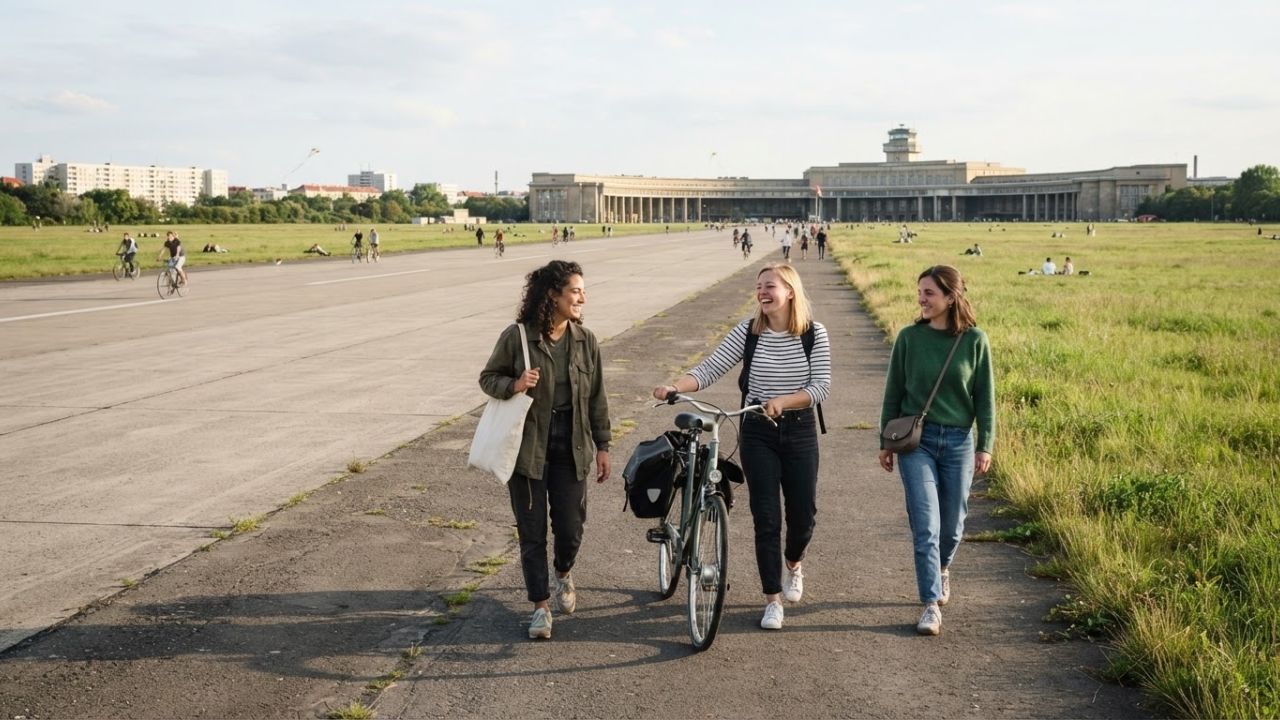
Image generated by AI
Europe's former aviation sites are entering a new era, with redevelopments converting runways and terminal grounds in Berlin, Athens, and Munich into parks and urban spaces.
European Airport Transformations: Tegel, Tempelhof, Ellinikon, and Riem
European cities are leading a global urban shift by transforming former aviation hubs into public parks, cultural spaces, and mixed-use districts. Projects in Berlin, Athens, and Munich represent different stages of this long-term redevelopment trend, offering travelers new areas for outdoor recreation and historical discovery.
- Berlin Tegel (TXL): Closed to scheduled flights in November 2020, Tegel is currently being redeveloped into Tegeler Stadtheide, a 190-hectare recreational and nature park. Backed by approximately €48.5 million in public funding, the project will preserve the airport's three-kilometre-long and 60-metre-wide runway as a central recreational pathway, with a planned opening in spring 2029.
- Berlin Tempelhof (THF): Following its flight closure in 2008, the airfield opened as Tempelhofer Feld in 2010. The site features a 300-hectare runway area and a 355-hectare wider open site. Its preserved terminal regularly hosts tours, and a historical aviation exhibition launched in May 2026 featuring 200 photographs and documents.
- Athens Ellinikon (ATH): Closed in 2001, this massive site is becoming a coastal district. The redevelopment includes a planned metropolitan park spanning two million square metres, a 50-kilometre walking and cycling network, and a 12-kilometre Cultural Route connecting 14 monuments and archaeological sites. Currently open are the 75,000-square-metre Experience Park and the 1,800-square-metre Experience Centre, featuring 5 themed zones and 20 interactive installations.
- Munich Riem (MUC): Closed in the early 1990s, the former airfield was transformed into a 560-hectare residential and business district that is now home to 16,000 residents and 10,000 workers. Its central Riemer Park offers a bathing lake and woodland areas, while a surviving building hosts an interim community program running from 2022 to 2027.
The following table summarizes the strategic components driving these conversions based on editorial analysis:
Key Redevelopment Pillars of Former European Airports
| Redevelopment Pillar | Story Share (%) | Core Strategic Focus |
|---|---|---|
| Parks and Recreation | 30% | Creating cycling, walking, and skating areas on former runways |
| Urban Redevelopment | 25% | Building housing, offices, and services to expand city centers |
| Aviation & Cultural Heritage | 20% | Preserving terminals and runways as historic landmarks |
| Nature & Environmental Management | 15% | Protecting biodiversity, natural habitats, and local climates |
| Visitor Access & Transport | 10% | Ensuring subway and bus connectivity for travelers and residents |
| Total | 100% | Comprehensive transformation framework |
Prior to the guide's publication, Munich's Riem district demonstrated how former airfield land can successfully integrate residential housing, schools, and commercial offices over decades, creating a resilient, self-sustaining community.
Diverting Tourism to Sustainable Green Spaces and Heritage Sites
For the traveler, the real impact of these former airport transformations is the creation of large, open green spaces that encourage low-impact, sustainable recreation. Instead of concentrating tourist spend exclusively in crowded historic city centers, these redevelopments distribute visitors and economic benefits to secondary districts, supporting local cafes, bicycle rental shops, and community-guided tours.
The Berlin Senate Department for Urban Development, Building and Housing and the Munich Department of Urban Planning emphasize that these green redevelopments serve vital ecological roles, improving urban air quality and managing temperatures. By protecting natural habitats and regulating visitor access—such as Tegel's planned night closures to safeguard wildlife—these cities ensure that tourism growth does not compromise local conservation goals. Similarly, the Greece Ministry of Tourism highlights that Ellinikon's Experience Park relies on native flora and water-recycling systems to create a climate-resilient visitor experience.
Local Insider Tips for Former Airports in Europe
To make the most of your journey and enjoy these redeveloped environments comfortably, keep these practical visitor tips in mind:
- Identify Off-Peak Visit Windows: Visit Berlin's Tempelhofer Feld during the shoulder months of May or September to enjoy cycling and picnics in mild weather. For Athens' Experience Park, visit in the late afternoon during autumn (October to November) to avoid the intense summer heat and witness the sunset over the Saronic Gulf.
- Observe Park and Transport Rules: Respect local regulations by observing seasonal closing times at Tempelhofer Feld, as the gates close every evening. When traveling to Munich Riem, take the U-Bahn (underground line U2) from central Munich, which connects you to the park in approximately 20 minutes.
- Savor Local Dining Specialties: Try local specialties from family-owned eateries near the redevelopments. Sample Sausage and Currywurst at independent kiosks near Tempelhof, or enjoy fresh Gyros and Greek pastries near the Ellinikon coast, supporting neighborhood food vendors directly.
- Explore Under-the-Radar Highlights: At Tempelhof, book a guided terminal tour to access historic bunkers and the rooftop terrace. At Ellinikon, visit the Experience Centre to explore interactive exhibits, ensuring you reserve your free tickets online in advance.
Long-Term Outlook for Former Airfields in European Cities
In the long run, these airport conversions show how cities can reclaim former industrial and transport sites for public use and ecological restoration. As urban populations grow, preserving large open spaces is vital for sustainable city planning.
Phased developments like Athens' Ellinikon will continue to open section by section, gradually expanding public access. Similarly, Munich's Riem district demonstrates how former airfield land can successfully integrate residential housing, schools, and commercial offices over decades, creating a resilient, self-sustaining community. These redevelopments will continue to shape the future of urban tourism, offering travelers unique, history-rich destinations outside traditional city centers.
Related Travel Guides
Disclaimer
This article is for informational and educational purposes only. It does not constitute legal, financial, or professional advice. While we strive to provide accurate and up-to-date information, travel policies, regulations, and conditions change rapidly. Always verify information with official sources before making travel decisions. Nomad Lawyer makes no representations about the accuracy, reliability, completeness, or suitability of the information provided. Readers should consult qualified professionals for advice specific to their circumstances. The views expressed in this article are those of the author and do not necessarily reflect the views of Nomad Lawyer.
Raushan Kumar
Founder & Lead Developer
Full-stack developer with 11+ years of experience and a passionate traveller. Raushan built Nomad Lawyer from the ground up with a vision to create the best travel and law experience on the web.
Learn more about our team →