
Northern Lights Active Kp 4 Index May Light Up Skies in Nine US States
NOAA forecasts a Kp 4 active aurora event on Monday night, offering viewing opportunities across nine northern US states. Read local dark sky and photography tips.
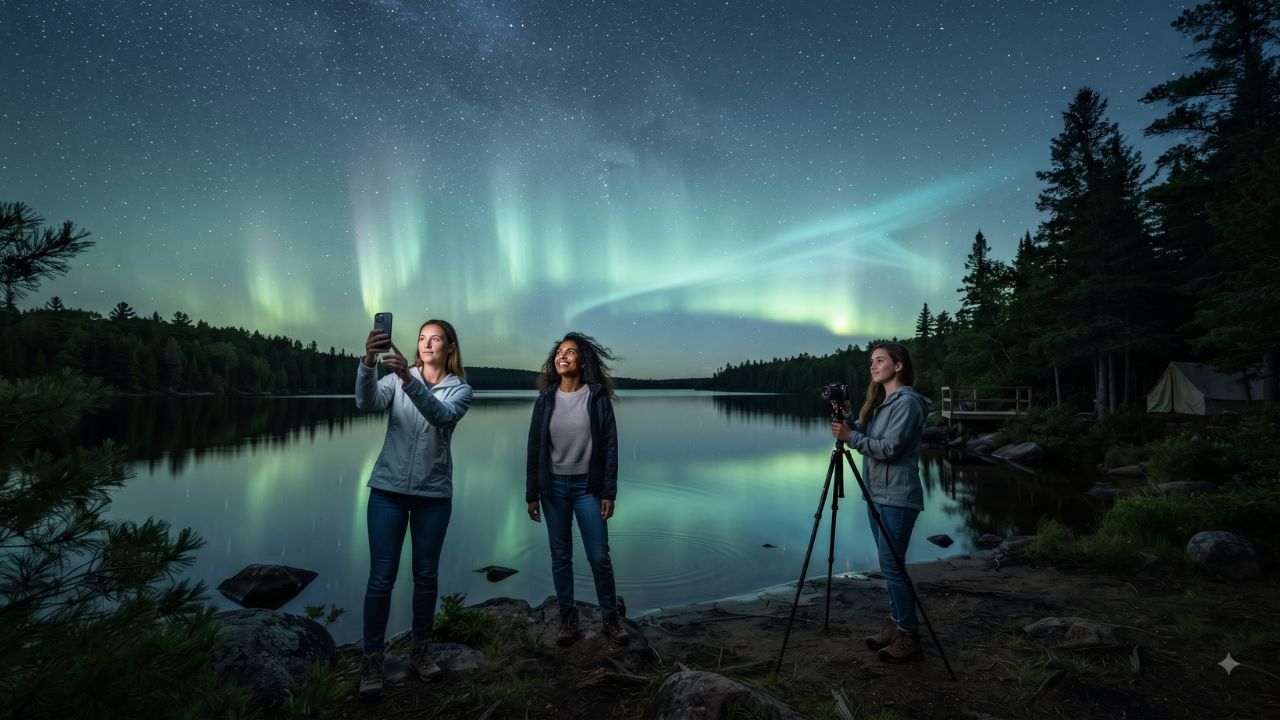
Image generated by AI
An active Kp 4 planetary index forecast from NOAA on Monday night offers spectators in nine northern US states a rare summer opportunity to view the aurora borealis.
Active Kp 4 Index Brings Summer Auroras to Northern US Border
The National Oceanic and Atmospheric Administration (NOAA) has forecast active space weather that could bring the Northern Lights to nine US states, creating a unique summer astrotourism opportunity on Monday night. Although aurora watching is typically associated with high-latitude Arctic travel during darker winter months, geomagnetic fluctuations can occasionally expand the visible auroral oval southward into the northern United States.
For this event, NOAA's forecast sets the planetary K-index at 4 on a scale of 0 to 9. The K-index measures fluctuations in Earth's magnetic field over a three-hour period, with higher numbers indicating stronger geomagnetic disturbances. A Kp 4 forecast is classified as active space weather and sits just below a Kp 5 minor geomagnetic storm. This level of activity creates potential viewing environments across nine states: North Dakota, Washington, Idaho, Montana, South Dakota, Minnesota, Wisconsin, the Upper Peninsula of Michigan, and Alaska.
NOAA Planetary K-Index Scale and Aurora Visibility
| Kp Level | NOAA Geomagnetic Category | Typical Aurora Implication |
|---|---|---|
| 0–3 | Quiet to unsettled | Mostly high-latitude viewing |
| 4 | Active | Increased opportunity across northern regions |
| 5 | Minor storm | Aurora can expand farther south |
| 6 | Moderate storm | Wider visibility becomes possible |
| 7 | Strong storm | Major expansion of auroral viewing zone |
| 8 | Severe storm | Very broad and potentially intense display |
| 9 | Extreme storm | Exceptional low-latitude aurora possible |
While Alaska remains a globally recognized destination for viewing the aurora borealis, interior regions face the challenge of long summer daylight periods. This daylight constraint means that even strong solar activity may not translate into visible displays during the brighter parts of the night. However, as August progresses, returning darkness improves visibility, making late-summer aurora hunting far more practical.
Astrotourism and Dark Sky Preservation in Rural Communities
For the traveler, the real impact is the growing accessibility of astrotourism without the need for expensive high-latitude flights. By traveling to dark-sky areas in states like North Dakota, Montana, or Michigan's Upper Peninsula, visitors support rural tourism economies directly. Booking stays at boutique homestays, hiring local guides, and purchasing meals from family-run businesses helps distribute tourism dollars to low-density communities.
State tourism boards, such as North Dakota Tourism and Explore Minnesota, actively promote the preservation of dark skies. Light pollution from cities can easily wash out faint auroral displays. By encouraging travelers to visit certified dark-sky parks and rural conservation areas, local tourism bodies highlight the environmental value of minimizing artificial light. Protecting these natural night environments supports regional wildlife habitats while providing visitors with pristine views of the cosmos.
Local Insider Tips for Summer Aurora Chasing in the US
To make the most of your journey through the northern United States, keep these practical visitor tips in mind:
- Identify Off-Peak Visit Windows: Plan your stargazing and aurora hunting during the late summer months of August and September, or the spring months of March and April, which align with the equinoxes when geomagnetic activity often peaks.
- Observe Dark Sky Etiquette: When arriving at dark-sky parks, turn off car headlights immediately and use red-filtered flashlights to preserve night vision. Keep noise levels low, and respect local property boundaries by staying within designated viewing zones.
- Savor Local Dining Specialties: Stop by local diners in Michigan's Upper Peninsula to try traditional pasties (savory meat pies), or visit local farm stands in Wisconsin for artisanal cheeses to support regional food producers during your road trip.
- Explore Under-the-Radar Heritage Sites: Combine your night-sky search with daytime visits to lesser-known locations. Explore the rolling hills of the Theodore Roosevelt National Park in North Dakota or the lakeside forests of northern Wisconsin before setting up your viewing tripod.
Long-Term Outlook for US Astrotourism Growth
The commercial opportunity for astrotourism is expanding as solar cycle fluctuations make auroras visible farther south. Major solar storm events, such as the historic storms of May 2024, have demonstrated that low-latitude auroras can draw massive public interest and generate substantial short-term travel demand.
Looking ahead, destination marketing organizations are investing in dark-sky certifications and nighttime park infrastructure. By promoting night-sky viewing as a complement to existing outdoor activities like hiking and lakeside camping, northern states can extend their tourist seasons and build resilient, nature-based travel economies that thrive throughout the year.
Related Travel Guides
Disclaimer
This article is for informational and educational purposes only. It does not constitute legal, financial, or professional advice. While we strive to provide accurate and up-to-date information, travel policies, regulations, and conditions change rapidly. Always verify information with official sources before making travel decisions. Nomad Lawyer makes no representations about the accuracy, reliability, completeness, or suitability of the information provided. Readers should consult qualified professionals for advice specific to their circumstances. The views expressed in this article are those of the author and do not necessarily reflect the views of Nomad Lawyer.
Naina Thakur
Contributor & Travel Specialist
Travel enthusiast and legal writer covering visa regulations, responsible tourism, and cultural journeys across global destinations.
Learn more about our team →