Japan Sparks Luxury Travel Surge While Australia and New Zealand Cut Spending to Protect Holiday Budgets Amid Rising Costs

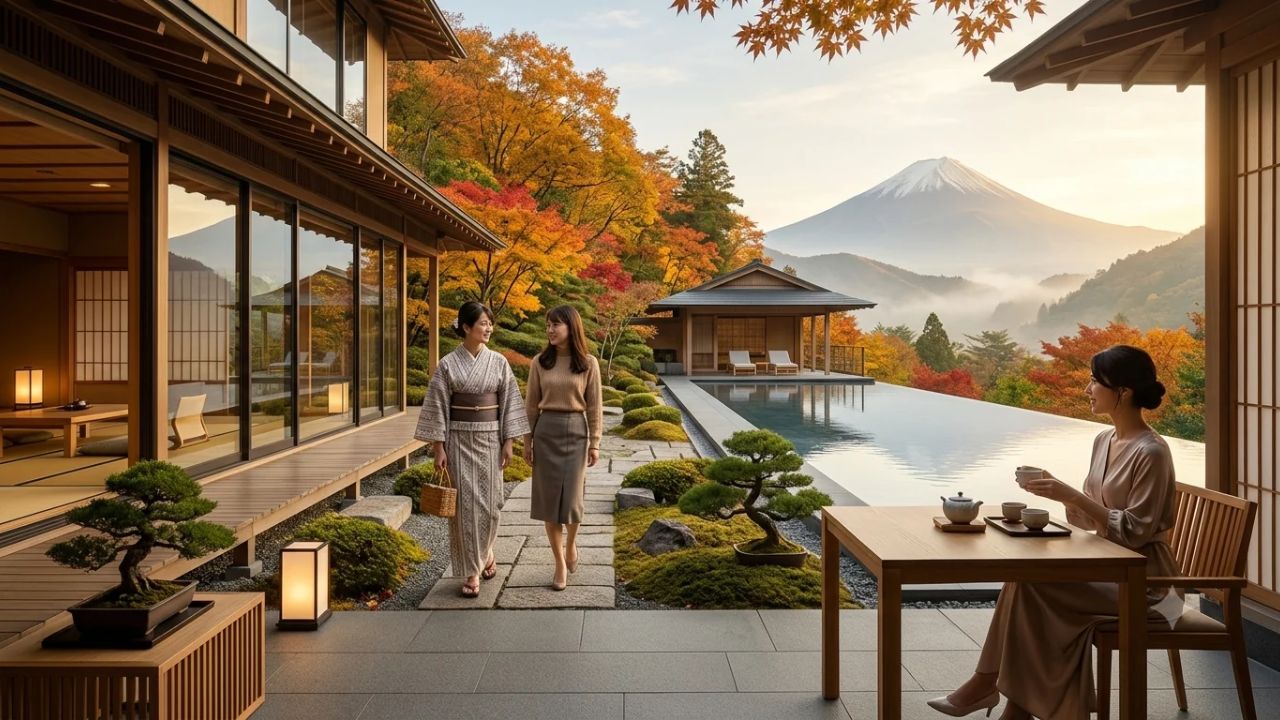
A structural divergence in consumer behavior is transforming Asia-Pacific holiday markets as Japanese travelers increasingly allocate capital toward high-end experiential journeys, while Australian and New Zealand holidaymakers make aggressive household spending cuts to shield their vacations from severe travel inflation. Findings from a multi-market global travel confidence study reveal that while Japan demonstrates the lowest overall holiday intent across surveyed economies, nearly half of those planning a trip intend to increase their luxury expenditures. In contrast, travelers across Oceania are prioritizing trip frequency and domestic getaways, opting for unbundled services, self-catering, and strict everyday financial sacrifices over premium accommodation upgrades.
The international tourism landscape in late 2026 is defined by sharp regional contrasts in how households respond to cumulative inflation, elevated aviation tariffs, and fluctuating exchange rates. The multi-market study, conducted between 25 September and 9 October 2026 across 6,005 adult respondents in Japan, Australia, New Zealand, Brazil, and Canada, captures a critical seasonal juncture. It benchmarks Japanese consumer intentions for the upcoming Northern Hemisphere winter against summer holiday planning across Australasia.
While outbound and domestic holiday volume varies considerably across these Pacific nations, the data highlights two entirely distinct coping mechanisms. Japanese consumers are displaying an "anchor luxury" approach—spending selectively on premium, bucket-list activities while keeping overall trip volume restrained. Conversely, Australian and Kiwi consumers treat holidays as non-negotiable personal commitments, aggressively slashing domestic retail spending, dining out, and optional lifestyle expenses to preserve their travel traditions.
ASIA-PACIFIC TRAVEL DIVIDE 2026
| Column 1 |
|---|
| JAPAN: Selective Anchor Luxury AUSTRALIA: Resilient Household Cuts |
| - Lowest overall holiday intention - 58% plan summer holiday travel |
| - 48% planning trip increase luxury spend - 81% highly concerned over travel inflation |
| - Driven by concerts (36%) & events (35%) - 70% slash everyday discretionary living costs |
| - 42% travel insurance uptake - 65% reject luxury upgrades to protect budget |
| - Average projected spend: AUD 4,991 |
| NEW ZEALAND: High Demand, Strict Value Defense |
| - 64% plan summer holiday travel (highest in survey) |
| - 82% anxious about escalating travel costs |
| - 71% cut everyday living expenditures |
| - 74% reject luxury upgrades; 39% favor domestic destinations |
| - Average projected spend: AUD 3,715 |
Macroeconomic Context and Survey Architecture
The comprehensive research project surveyed 6,005 adults across five key global economies—Japan, Australia, New Zealand, Brazil, and Canada—between 25 September and 9 October 2026. The timing provides a direct comparison between outbound long-haul and regional winter planning in East Asia and peak summer holiday execution in the Southern Hemisphere.
Over the past four years, global aviation capacity constraints, elevated jet fuel surcharges, localized room-rate surges, and service labor shortages have driven baseline holiday prices to historic highs. How consumers absorb these financial pressures differs significantly based on domestic economic sentiment, currency dynamics, and cultural perceptions of discretionary expenditure.
| Survey Parameter | Research Benchmark Specification |
|---|---|
| Fieldwork Period | 25 September to 9 October 2026 |
| Sample Universe | 6,005 adult respondents across 5 nations |
| Participating Markets | Japan, Australia, New Zealand, Brazil, Canada |
| Regional Focus | Asia-Pacific comparison (Japan, Australia, New Zealand) |
| Seasonal Window | Northern Hemisphere Winter 2026/2027 vs. Southern Hemisphere Summer 2026/2027 |
| Primary Inquiries | Holiday intention, luxury expenditure, inflationary concern, everyday budget trade-offs |
The findings show that rising travel expenses do not automatically suppress tourism demand. Instead, inflation forces travelers to alter their purchase hierarchy, choosing between luxury concentration and volume preservation.
Japan's High-Yield Pivot: Low Volume, Premium Spend, and Anchor Experiences
Japan presents the most distinct profile among the surveyed economies. The nation recorded the lowest overall travel intention among all five participating countries, reflecting persistent domestic purchasing power caution following prolonged currency fluctuations and domestic cost-of-living adjustments.
However, within the smaller segment of Japanese consumers actively planning trips, appetite for high-end experiences is unprecedented. A striking 48% of Japanese respondents planning a holiday stated they intended to increase their spending on luxury travel experiences—the highest proportion recorded across all five surveyed nations.
Japanese Holidaymakers' Spending Intentions (2026)
-------------------------------------------------------------------------------------
Intend to increase luxury experience spend:     [48%] ====================
Concerned about escalating travel costs:         [76%] ================================
Plan to scale back holiday arrangements:         [46%] ===================
Purchase or intend to purchase insurance:        [42%] =================
-------------------------------------------------------------------------------------
Rather than funding extravagant, end-to-end luxury holidays featuring five-star transport, presidential suites, and fine dining at every meal, Japanese travelers are embracing a concentrated "anchor luxury" methodology. Travelers choose standard transit or economical lodgings for the bulk of their itinerary to fund one or two extraordinary, high-value experiences that define the journey.
Entertainment, Festivals, and Milestone Catalysts
The primary driver behind this Japanese premium spending surge is live entertainment and cultural engagement. Japanese consumers are increasingly building itineraries around specific calendar dates rather than general destination sightseeing:
- Concerts, Festivals, and Live Shows: 36% of Japanese respondents identified live entertainment as their primary travel motivator.
- Special Occasions and Milestone Events: 35% stated their journeys were planned around personal anniversaries, milestone family celebrations, or organized group events.
- Sporting Competitions: 25% highlighted major sports events as key itinerary drivers.
This behavioral shift reflects a broader consumer evolution toward experiential wealth. Attending a sold-out concert in an international city, securing VIP hospitality passes for a regional athletic championship, or participating in an exclusive seasonal festival warrants a significant financial commitment that everyday holiday sightseers often avoid.
Wellness Tourism and Restorative Escapes
Alongside entertainment, wellness tourism continues to absorb significant Japanese holiday expenditure:
- 30% of Japanese respondents expressed clear interest in dedicated spa retreats, hot springs (onsen) immersions, and structured wellness holidays.
In the premium segment, this manifests as heightened demand for historic ryokans featuring private open-air baths (rotenburo), integrated holistic therapeutic regimes, and farm-to-table seasonal kaiseki dining. Japanese travelers seeking respite from intense metropolitan work routines prioritize quality over duration, favoring short, high-investment restorative retreats over extended budget vacations.
Inflationary Realities: Balancing Premium Indulgence with Financial Caution
Despite high luxury allocations, Japanese consumers remain sensitive to market volatility:
- 76% of Japanese respondents planning a holiday expressed explicit concern regarding rising travel prices.
- 46% planned to scale back certain aspects of their holiday arrangements to keep overall budgets balanced.
This dual reality indicates that Japanese luxury travel is disciplined and deliberate. A holidaymaker may invest substantially in a private guided tour, front-row concert seats, or a premier wellness sanctuary, but will balance that expenditure by flying low-cost carriers, choosing business hotels for transit nights, or curtailing incidental shopping.
JAPANESE "ANCHOR LUXURY" ITINERARY ARCHITECTURE
| Column 1 |
|---|
| BUDGET ALLOCATION SERVICE COMPONENT TRAVELER STRATEGY |
| ------------------------------------------------------------------------------------------------ |
| Economized (Low Cost) Inter-city Transit Utilizing low-cost carriers or rail passes |
| Economized (Low Cost) Base Accommodation Selecting mid-scale business hotels |
| Economized (Low Cost) Incidental Food & Beverage Choosing casual local eateries & konbini |
| PREMIUM SPLURGE (Anchor) Exclusive Experience VIP concert tickets, private ryokan onsen, |
| bespoke culinary masterclass, or wellness |
Australia's Resilient Travel Demand: Slashing Discretionary Living to Fund Holidays
In sharp contrast to Japan's lower overall travel volume, Australia demonstrates massive baseline holiday participation. The survey revealed that 58% of Australian respondents intended to travel during the upcoming summer holiday season. For Australian households, the summer break represents a cultural institution that families protect even during sustained interest rate pressures and rising utility bills.
However, holiday commitment is accompanied by intense cost anxiety. A substantial 81% of Australian respondents planning to travel expressed serious concern regarding rising travel costs. Rather than cancelling trips, Australians are engineering complex budget adjustments across their day-to-day lives to fund their travel ambitions.
Australian Holidaymakers' Budget Defense (2026)
-------------------------------------------------------------------------------------
Plan to travel during upcoming summer season:    [58%] ========================
Concerned about rising holiday costs:            [81%] ==================================
Slashing non-essential everyday spending:        [70%] =============================
Scaling back holiday scope while travelling:     [59%] =========================
Rejecting luxury travel spending increases:      [65%] ============================
Purchased or likely to purchase insurance:       [63%] ==========================
-------------------------------------------------------------------------------------
Everyday Lifestyle Trade-offs to Protect Vacation Budgets
To keep vacation plans viable, Australian consumers are making substantial sacrifices in their home routines months before departure:
- 70% of Australian travelers are actively cutting back on non-essential everyday spending.
- Household sacrifices include reducing restaurant visits, scaling down entertainment subscriptions, deferring domestic appliance purchases, and trimming personal apparel budgets.
- 59% stated they plan to scale back the scope of their holidays while maintaining their travel departure dates.
Travelers are adopting defensive operational measures such as shifting from full-service hotels to holiday rentals with self-catering kitchens, driving instead of flying for domestic trips, reducing trip lengths from 14 days to 10 days, and booking off-peak departure windows.
Rejection of Luxury Upgrades and Focus on Practical Value
While Japanese holidaymakers seek premium experiences, Australians are actively rejecting luxury markups:
- 65% of Australian travelers indicated they have no intention of increasing their spending on luxury travel experiences.
Australian consumers view optional luxury fees—such as seat selection upgrades, premium economy surcharges, resort fees, and fine-dining add-ons—as unnecessary budget drains. Demand in Australia is consolidating around transparent, all-inclusive pricing, family-friendly utility, and reliable basic amenities.
The High-Spend Paradox: Deconstructing the AUD 4,991 Average Outlay
Despite strict cost-cutting, Australian travelers reported an average anticipated holiday expenditure of AUD 4,991—the highest figure recorded across all five surveyed countries.
This high figure does not signal extravagant luxury consumption. Rather, it underscores the structural cost realities facing Australian travelers:
- Geographic Isolation and Flight Costs: Long-haul international flights from Australia require substantial baseline capital outlays. Long-haul airfares remain high due to aircraft delivery backlogs and currency conversion costs.
- Domestic Cost Pressures: Domestic travel within Australia involves elevated fuel prices, high coastal accommodation rates during peak school holiday periods, and premium domestic airfares across regional trunk routes.
- Family Travel Dynamics: A large proportion of Australian summer travel involves multi-generational family units, where lodging, food, and inter-city transit scale rapidly.
An outlay of AUD 4,991 reflects the baseline capital required to execute a family holiday in an inflationary operating environment, rather than an intentional pivot toward premium leisure.
| Australian Travel Spending Category | Market Dynamics and Consumer Adjustments |
|---|---|
| Average Projected Expenditure | AUD 4,991 (highest among all five surveyed nations) |
| Primary Cost Drivers | Long-haul aviation tariffs, peak coastal room rates, family transit |
| Everyday Budget Cuts | 70% trimming dining out, entertainment, and discretionary shopping |
| Trip Adjustments | 59% reducing trip duration, opting for self-catering apartments |
| Luxury Posture | 65% explicitly rejecting premium upgrades and luxury add-ons |
| Domestic Substitution | 32% choosing domestic destinations over international journeys |
New Zealand's Determined Travel Economy: Defending Holidays Amid Record Costs
New Zealand presents the highest overall holiday commitment among the surveyed Asia-Pacific economies, combined with the sharpest cost sensitivity. A remarkable 64% of New Zealand respondents reported plans to travel during the upcoming summer holiday season—surpassing Australia's 58%.
Simultaneously, New Zealand travelers recorded the survey's highest level of cost anxiety:
- 82% of New Zealand respondents planning a holiday expressed deep concern over escalating travel prices.
Economic headwinds, persistent domestic mortgage pressures, and foreign exchange depreciation against major global currencies have amplified the cost of overseas vacations for Kiwi households.
New Zealand Holidaymakers' Strategic Profile (2026)
-------------------------------------------------------------------------------------
Plan to travel during upcoming summer season:    [64%] ===========================
Concerned about escalating travel costs:         [82%] ===================================
Slashing non-essential everyday spending:        [71%] ==============================
Scaling back holiday scope while travelling:     [57%] ========================
Rejecting luxury travel spending increases:      [74%] ===============================
Prefer domestic travel destinations:             [39%] =================
Purchased or likely to purchase insurance:       [59%] =========================
-------------------------------------------------------------------------------------
Household Discipline and Discretionary Sacrifices
To protect their holiday routines, New Zealanders are implementing rigorous financial discipline:
- 71% of New Zealand travelers are cutting non-essential everyday expenditures across their domestic budgets.
- 57% plan to scale back the scope of their holidays while maintaining their travel plans.
These household savings mirror patterns in Australia but reflect even tighter financial boundaries. Holidaymakers are trading restaurant meals for grocery cooking in campervans or holiday baches (beach houses), booking flights months in advance to capture early-bird pricing, and avoiding peak holiday surcharges.
Strongest Resistance to Premium and Luxury Upgrades
New Zealand travelers demonstrated the lowest interest in luxury upgrades across the Asia-Pacific region:
- 74% of New Zealand respondents stated they have no intention of increasing their spending on luxury travel experiences.
This represents a higher level of resistance than Australia's 65%. Kiwi travelers are resolutely focused on core holiday values: spending unstructured time with family, exploring natural landscapes, and enjoying outdoor recreation without premium financial overheads.
Domestic Substitution: The Flight to Regional Tourism
Given the elevated expense of overseas flights and foreign exchange volatility, New Zealanders are increasingly staying local:
- 39% of New Zealand travelers explicitly prefer domestic holiday destinations over international trips.
This 39% domestic preference is significantly higher than Australia's 32%, providing a vital revenue base for regional New Zealand tourism operators, national park concessions, and regional motel networks. By eliminating international airfares and foreign currency conversion losses, domestic journeys allow Kiwi families to maintain holiday traditions within manageable spending parameters.
Average Projected Spend: AUD 3,715
New Zealand holidaymakers reported an average anticipated expenditure of AUD 3,715 (calculated in Australian Dollar equivalents for survey standardization). While lower than Australia's AUD 4,991, this was the second-highest average expenditure recorded across the five surveyed countries, outpacing spending projections in both Canada and Brazil.
Similar to Australia, this expenditure reflects mandatory baseline expenses for inter-island ferries, rental vehicles, and peak holiday lodging, rather than discretionary luxury consumption.
AUSTRALIA VS. NEW ZEALAND HOLIDAY BUDGET PROFILE
| METRIC AUSTRALIA NEW ZEALAND |
|---|
| ------------------------------------------------------------------------------------------------ |
| Summer Travel Intent 58% 64% (Highest in survey) |
| Cost Anxiety Level 81% 82% (Highest in survey) |
| Cutting Daily Household Living Costs 70% 71% |
| Scaling Back Trip Arrangements 59% 57% |
| Rejecting Luxury Upgrades 65% 74% (Strongest luxury aversion) |
| Domestic Travel Preference 32% 39% (Strong domestic substitution) |
| Average Anticipated Holiday Spend AUD 4,991 AUD 3,715 |
| Travel Insurance Adoption Rate 63% 59% |
Comparative Data Analysis: Asia-Pacific Travel Intent, Economics, and Risk Mitigation
A side-by-side examination of Japan, Australia, and New Zealand illustrates how differing economic backdrops shape consumer travel strategies. While Japan trades holiday volume for high-value experiential indulgence, Australia and New Zealand leverage strict household budgeting to defend broad travel participation.
Multi-Market Travel Confidence and Cost Anxiety Matrix
The table below contrasts travel intentions, cost concerns, and luxury spending postures across the three Pacific markets:
| Nation | Seasonal Window Surveyed | Overall Travel Intention Rank | Luxury Spend Increase Intent | Concern Over Travel Inflation | Scaling Back Holiday Plans |
|---|---|---|---|---|---|
| Japan | Northern Winter 2026/27 | Lowest among 5 nations | 48% (Highest overall) | 76% | 46% |
| Australia | Southern Summer 2026/27 | High (58% intend to travel) | 35% (65% reject luxury) | 81% | 59% |
| New Zealand | Southern Summer 2026/27 | Highest (64% intend to travel) | 26% (74% reject luxury) | 82% (Highest overall) | 57% |
The data proves that high inflation concern does not depress travel demand equally. While 82% of Kiwis and 81% of Australians worry about costs, their holiday intention remains between 58% and 64%. Conversely, in Japan, lower general travel intention coexists with an aggressive appetite for luxury experiences among those who do travel.
Spending Behavior, Domestic Preferences, and Capital Outlay
How travelers allocate capital reflects contrasting geographic realities and domestic leisure infrastructures:
| Nation | Everyday Spending Cuts to Fund Trips | Domestic Destination Preference Rate | Average Expected Holiday Outlay | Dominant Itinerary Strategy |
|---|---|---|---|---|
| Japan | Moderate (Selective budgeting) | Moderate (Regional onsen/resorts) | Moderate (Concentrated on anchors) | Anchor Luxury: Standard base transit + high-value singular splurge |
| Australia | 70% cutting everyday expenses | 32% staying domestic | AUD 4,991 (Highest overall) | Volume Defense: Aggressive daily cuts, self-catering, unbundled transit |
| New Zealand | 71% cutting everyday expenses | 39% staying domestic | AUD 3,715 (Second highest) | Local Value: Strong domestic substitution, outdoor recreation, no luxury add-ons |
Travel Insurance Adoption and Financial Risk Management
The survey revealed substantial divergence in how travelers manage financial exposure through travel insurance:
- Australia: 63% had purchased or planned to purchase travel insurance.
- New Zealand: 59% had purchased or planned to purchase travel insurance.
- Japan: 42% had purchased or planned to purchase travel insurance.
Travel Insurance Adoption Rates Across the Asia-Pacific
-------------------------------------------------------------------------------------
Australia:      [63%] ==========================
New Zealand:    [59%] ========================
Japan:          [42%] =================
-------------------------------------------------------------------------------------
Australian and New Zealand consumers demonstrate high insurance awareness because their holidays frequently involve international long-haul travel, complex family flight itineraries, and non-refundable holiday rentals where trip interruption or medical emergencies pose acute financial risks.
In contrast, Japanese consumers exhibit a lower insurance adoption rate (42%), reflecting reliance on statutory national health protections for domestic travel, comprehensive credit card travel insurance covers, and a preference for shorter regional journeys where cancellation risks are perceived to be lower.
Strategic Implications for Airlines, Hoteliers, and Destination Marketers
The polarization of holiday spending across the Asia-Pacific region requires hospitality providers, airlines, and national tourism boards to dismantle one-size-fits-all commercial strategies.
COMMERCIAL STRATEGY MATRIX BY MARKET
| Column 1 |
|---|
| TARGET MARKET PRIMARY DEMAND DRIVERS RECOMMENDED COMMERCIAL TACTIC |
| ------------------------------------------------------------------------------------------------ |
| Japan Concerts, festivals, wellness, Unbundle base rates; package exclusive |
| special milestone events VIP access, private onsens & dining |
| Australia Family holidays, beach getaways, Transparent all-inclusive pricing; |
| cost predictability, convenience self-catering amenities, zero junk fees |
| New Zealand Outdoor recreation, visiting kin, Affordable regional packages, off-peak |
| budget control, nature escapes deals, unbundled budget airline fares |
Courting the Japanese High-Yield Segment
For destinations and luxury operators seeking Japanese visitors, traditional volume-based group marketing is losing effectiveness. Commercial success requires tapping into targeted experiential niches:
- Event-Linked Hospitality Packaging: Hoteliers and tour companies should develop turnkey packages that combine premium accommodation with guaranteed tickets for major concerts, theatre festivals, and international sports events.
- Private and Restorative Wellness Products: Marketing should emphasize exclusivity, personal space, and authenticity. Private onsen access, private culinary demonstrations, and bespoke architectural tours appeal directly to Japanese travelers willing to spend on meaningful experiences.
- Flexible Premium Pricing: Operators must recognize that Japanese travelers are financially conscious even when purchasing luxury. Transparent pricing that clearly justifies premium rates through verifiable quality will outperform generic luxury branding.
Capturing Australasian Value Seekers
For domestic and international destinations marketing to Australian and New Zealand travelers, the mandate is clear: eliminate friction, avoid hidden fees, and deliver demonstrable value:
- Transparent, Fee-Free Pricing: With 65% of Australians and 74% of Kiwis rejecting luxury markups, hidden resort fees, paid Wi-Fi, and excessive baggage surcharges create immediate consumer resistance. Upfront, all-inclusive pricing builds booking confidence.
- Self-Catering and Family Utility: Accommodation providers that offer kitchen facilities, laundry amenities, and flexible room layouts will secure market share among Australasian families seeking to minimize daily restaurant dining expenses.
- Early-Bird and Off-Peak Incentives: Because 70% to 71% of Australasian consumers are actively budgeting for holidays, booking incentives that reward early planning or offer flexible cancellation terms align directly with consumer saving habits.
Practical Vacation Budget-Preservation Checklist for 2026/2027
Travelers navigating inflationary pressures across the Asia-Pacific can adopt proven operational tactics to protect their travel plans:
- Adopt Anchor Budgeting: Emulate Japanese travelers by identifying the single non-negotiable experience of your journey (such as a bucket-list concert, luxury safari day, or private thermal bath) and allocating funds directly to it. Offset the splurge by strictly economizing on transit nights and casual dining.
- Audit Total Flight Surcharges: When booking trans-Tasman or long-haul flights, calculate total ticket costs including seat selection, checked baggage, and booking fees before selecting a carrier. Unbundled low-cost tickets often exceed full-service carrier fares once necessary add-ons are included.
- Leverage Currency Hedging and Multi-Currency Accounts: Lock in exchange rates using multi-currency digital cards when planning overseas trips to insulate your daily holiday spending from foreign exchange volatility.
- Scrutinize Insurance Cover Conditions: Ensure travel insurance policies explicitly cover medical evacuation, airline schedule disruptions, and rental car insurance excess, preventing out-of-pocket losses during unexpected emergencies.
Frequently Asked Questions
Why are Japanese travelers spending more on luxury despite lower overall travel numbers?
While fewer Japanese consumers are planning holidays compared to other surveyed nations, those who travel are prioritizing meaningful, lasting memories over frequent trips. They are adopting an "anchor luxury" approach, investing heavily in standout experiences like concerts, private wellness retreats, and milestone celebrations while economizing on standard transit and lodging.
How are Australian and New Zealand travelers coping with rising holiday costs?
Australians and New Zealanders treat holidays as an essential lifestyle priority. Rather than cancelling trips, 70% of Australians and 71% of New Zealanders are cutting non-essential everyday expenses like dining out and retail shopping at home. Additionally, over half are scaling back holiday arrangements by shortening trips or choosing budget accommodations.
What percentage of travelers are avoiding luxury travel upgrades in Australasia?
The survey revealed that 65% of Australian travelers and 74% of New Zealand travelers explicitly do not intend to increase their spending on luxury travel experiences, choosing practical value, transparent pricing, and budget-friendly arrangements instead.
What are the average projected holiday expenditures for Australia and New Zealand?
Australian travelers reported an average anticipated holiday expenditure of AUD 4,991, the highest among all five surveyed countries. New Zealand travelers projected an average spend of AUD 3,715 (expressed in Australian dollars), representing the second-highest expenditure in the study. These figures reflect high baseline transport and family lodging costs rather than discretionary luxury spending.
Related Travel Guides
This article is for informational purposes. Flight routes, passenger regulations, visa rules, and transit advisories are subject to change by airlines and aviation authorities. Readers are advised to verify schedules and travel documentation with relevant carriers and border agencies before departure.
Related Stories
Kanazawa and Secondary Asian Cities Surge as Overtourism Taxes, Curfews, and High-Speed Rail Reshape Travel Demand in 2026

New York City Council Passes Romanch's Law to End Central Park Horse-Drawn Carriage Operations by June 2028 Following Tourist Safety Review