Europe Rebuilds Its Tourism Future as Turkiye and More Turn Crisis Recovery Into Resilient Destinations

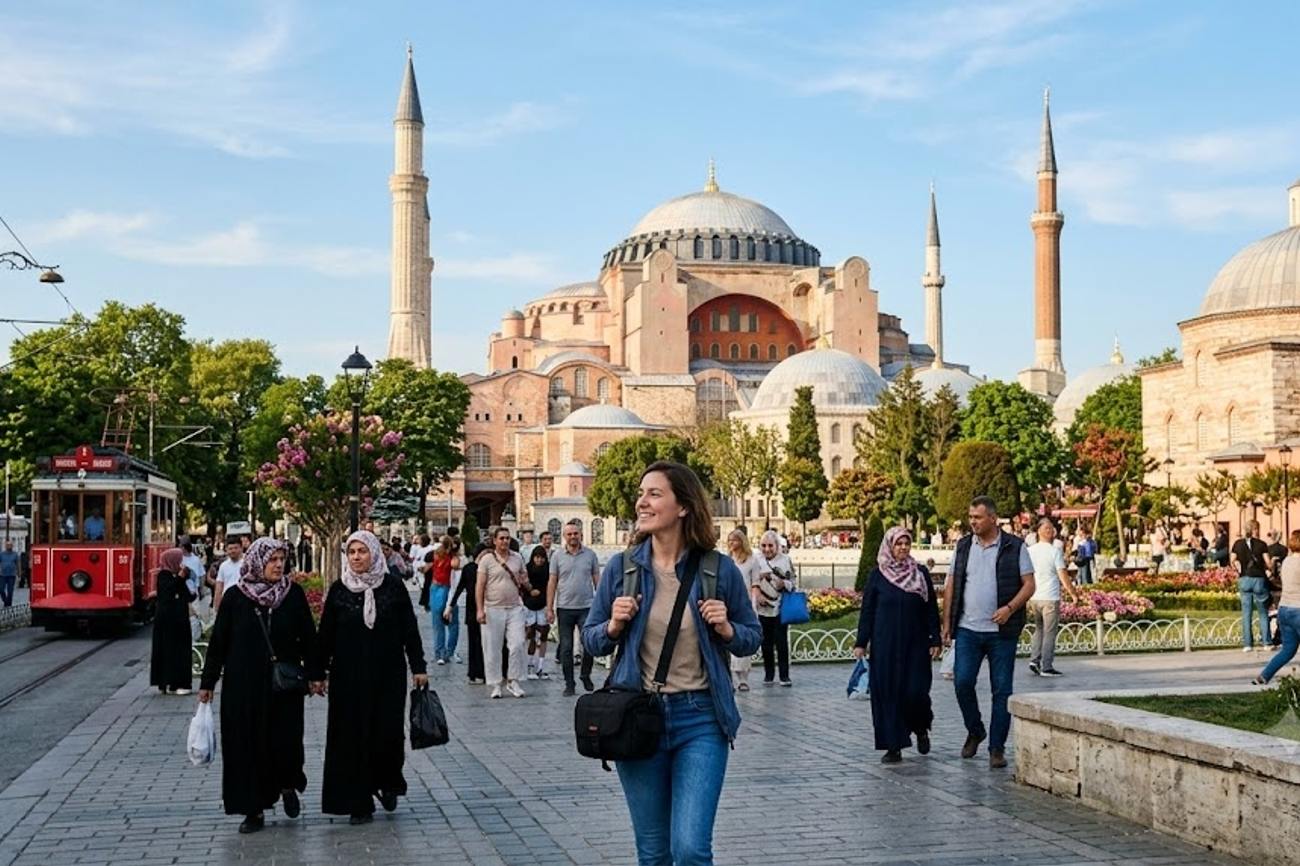
Image generated by AI
[Brussels, May 27, 2026] — The European Commission has launched a systemic overhaul of how it rebuilds crisis-hit regions, pivoting from temporary emergency grants to a "blended finance" model designed to transform fragile borderlands into sustainable, investable tourism destinations.
The policy shift, codified in Staff Working Document SWD(2026)313 and Joint Communication JOIN(2026)25, marks a departure from "grants-to-nowhere" funding. Under the direction of Hadja Lahbib, Commissioner for Preparedness and Crisis Management, and Jozef Síkela, Commissioner for International Partnerships, the European Commission is now integrating humanitarian aid with long-term commercial development to prevent the financial collapse that typically follows the withdrawal of disaster relief.
The Failure of Emergency Grants
For decades, the standard response to armed conflict, macroeconomic shocks, and natural disasters in Europe’s periphery relied on reactive, short-term funding. While these injections of capital provided essential rations and temporary shelters, they failed to create permanent economic value. Once the emergency windows closed, municipalities were left with "patched wounds" but no way to generate recurring revenue or maintain infrastructure.
This cycle created a commercial vacuum. Local guest houses and cultural workshops remained stranded in micro-economies without the foundational utilities required for professional tourism. Because these regions lacked resilient energy grids, sanitation, and digital connectivity, global booking systems and institutional hotel brands refused to enter the markets. Furthermore, commercial insurance underwriters viewed these areas as too volatile to cover, effectively locking out private capital and forcing a continued dependence on foreign aid.
Affected Travelers, Airlines and Logistics
The new framework targets territories experiencing "high or extreme fragility," a designation based on OECD States of Fragility assessments. While the policy has global implications, the immediate focus is on Europe’s immediate geopolitical borders.
The impact is categorized across three primary tiers:
- Municipal Authorities: Local governments that previously faced severe fiscal deficits after grant programs ended will now have access to "bankable" infrastructure programs rather than one-off expenses.
- Micro-Enterprises: Family-run guest houses, craft workshops, and guided tour operators who were previously excluded from international distribution networks due to a lack of creditworthiness.
- Private Investors: Institutional hotel brands and corporate lenders who previously avoided these regions due to high sovereign risk premiums and a lack of secondary collateral markets.
Practical Traveler Advisory and Strategic Insights
For the average traveler or travel agent, this policy shift will eventually manifest as the emergence of "new" destinations that were previously off-limits or considered too unstable for commercial travel.
Plain-Language Passenger Impact:
- Increased Destination Availability: Areas previously omitted from global booking platforms will begin appearing as they integrate into international distribution networks.
- Improved Infrastructure Reliability: Travelers can expect "climate-proof" utilities—such as decentralized solar grids and modernized wastewater systems—meaning fewer outages and better sanitation in remote border regions.
- Enhanced Safety Standards: Because the EU is requiring "commercial-grade" infrastructure as a prerequisite for investment, the baseline for safety and accessibility in these fragile zones will rise to meet international hospitality standards.
- Diversified Accommodations: A shift toward community cooperatives and local micro-enterprises means a rise in authentic, small-scale heritage tourism options that are now backed by credit guarantees.
The Blended Finance Architecture
The core of the new strategy is the resolution of the "missing middle" financing gap. Many projects in fragile zones are too large for micro-finance but too risky for private equity. To solve this, the EU is deploying "blended finance," where public or philanthropic capital is used to absorb the initial, subordinate risk.
As Europe rebuilds its tourism future, countries like Turkiye are turning crisis recovery into resilient destinations by investing in infrastructure and promoting sustainable tourism practices. The Turkish Ministry of Culture and Tourism provides updates on the country's tourism initiatives and travel guidelines on their official website, visit the official website of the Turkish Ministry of Culture and Tourism for the latest information. This includes efforts to enhance the visitor experience and support local communities.
By taking the first loss, the EU lowers the risk-return profile for private investors. This encourages commercial lenders to offer loans at reasonable interest rates rather than punitive ones. This capital is not being spent on temporary relief; it is being invested in the "physical substratum" of tourism:
- Energy: Solar-and-storage micro-grids to ensure power stability.
- Connectivity: High-capacity digital networks to enable online bookings and digital payments.
- Transport: Reinforced corridors to allow safe passage for leisure and business visitors.
- Environment: Modernized sanitation to protect the very coastal and riverine ecosystems that attract tourists.
The Road to Structural Resilience
The transition from "charitable paternalism" to "market-creating investment" is intended to create a self-sustaining tax base. By building amortizable assets—infrastructure that adds value over time—the EU aims to stop the migration of young residents toward metropolitan centers.
The timeline for this rollout is tied to the operationalization of the "Humanitarian-Development-Peace nexus." The goal is to ensure that when the next climate shock or economic tremor hits, these regions will have the commercial resilience to survive without needing another emergency bailout.
FAQ: EU Fragility Investment 2026
What is "blended finance" in the context of travel? It is a strategy where the EU uses public money to reduce the risk for private investors. This encourages hotel chains and transport companies to build in high-risk areas, knowing the government is absorbing some of the financial danger.
Will this make travel to border regions safer? Yes. The policy mandates "climate-proof" and "commercial-grade" infrastructure. This means better roads, more reliable electricity, and improved sanitation, which directly enhances the safety and reliability of the travel experience.
How does this differ from previous EU aid? Previous aid was "reactive"—giving food or temporary tents after a crisis. This new approach is "proactive," building permanent utilities and businesses that can generate their own money and sustain themselves long-term.
When will these new destinations be available for booking? Implementation is ongoing following the May 2026 framework. Availability depends on the speed of infrastructure deployment in specific territories, but the goal is to integrate these micro-economies into global booking systems.
From disaster relief to destination development, the EU is betting that profit is the best path to peace.
Related Travel Guides
- Germany Is Now Connecting Six Nations to Unlock Better Sustainable Tourism Experiences in Europe
- Greece Tourism Faces New Pressure as EU Migrant Return Plan Puts Crete and Mediterranean Gateways in Focus
- Jordan Unveils $15 Billion Investment Powerhouse With Tourism Energy And Transport Projects To Boost Growth
This article is for informational purposes. Flight routes, passenger regulations, visa rules, and transit advisories are subject to change by airlines and aviation authorities. Readers are advised to verify schedules and travel documentation with relevant carriers and border agencies before departure.
Related Stories
15 Forgotten Medieval Towns in Europe That Feel Like Stepping Back in Time

Zen Awakening Festival 2026: Florida's Transformational Music, Mindfulness, and Arts Gathering in Fruitland Park