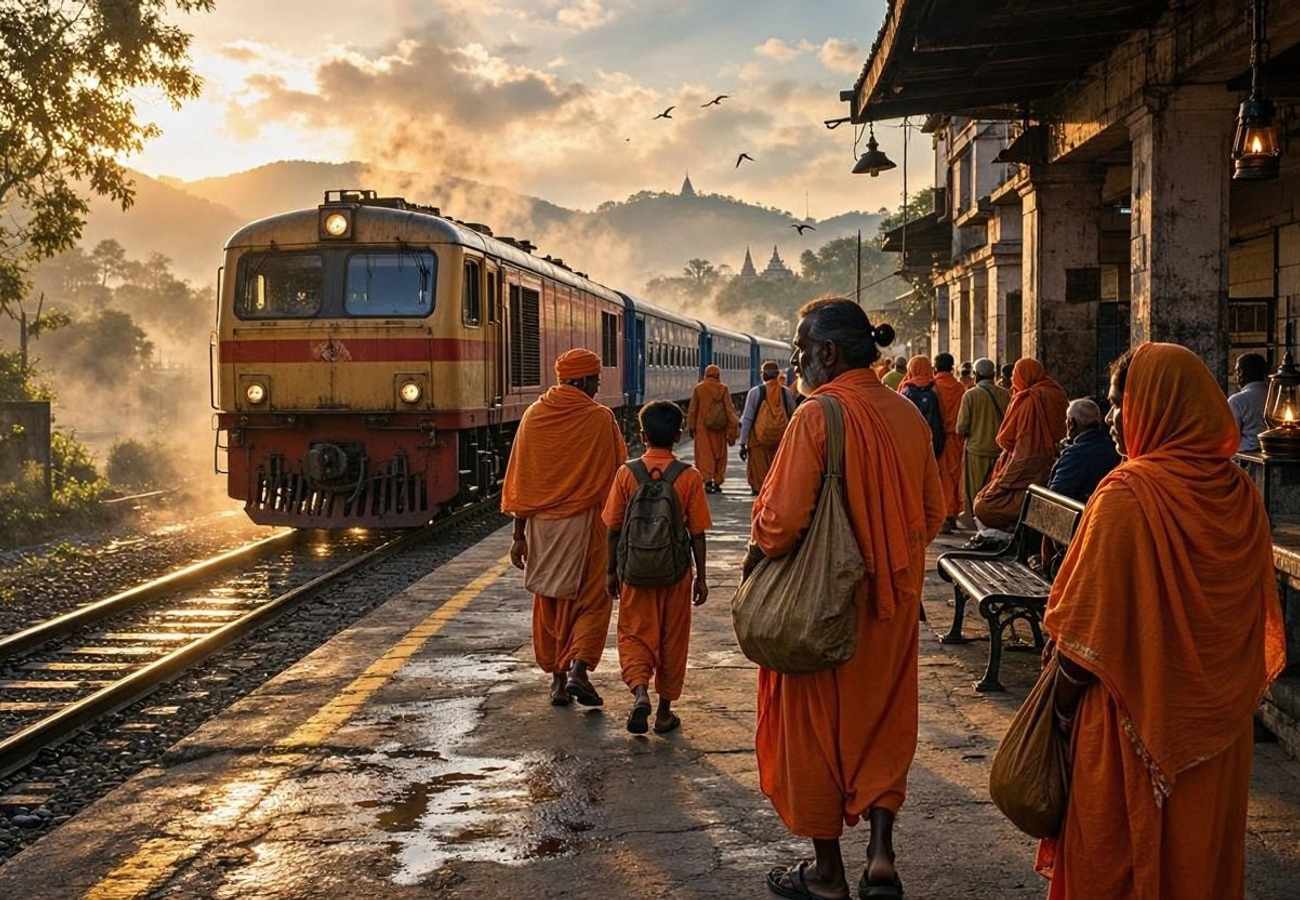
Indian Railways Proposes 16-Coach Sleeper Vande Bharat Express Service Connecting New Delhi and Varanasi via Kanpur and Prayagraj Corridor

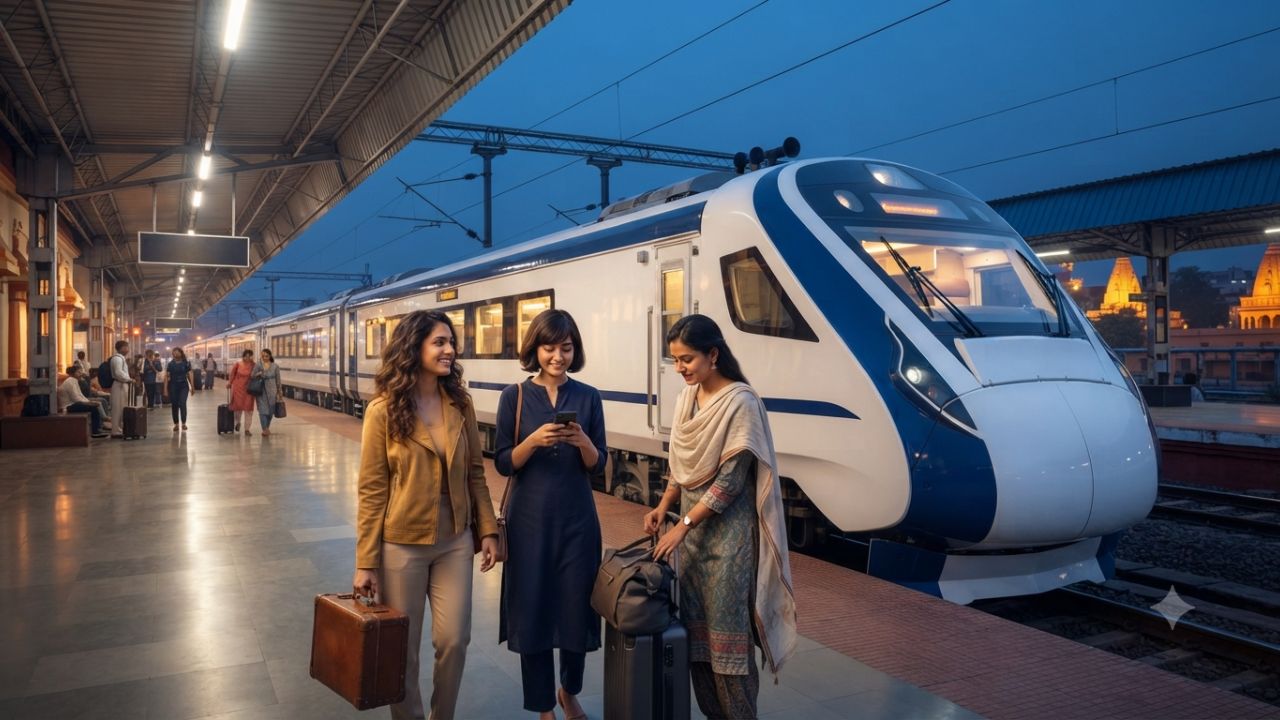
Image Credit: Indian Railways / NomadLawyer Logistics Desk
Indian Railways has finalized plans to deploy a new Sleeper Vande Bharat train service along the high-density New Delhi to Varanasi corridor. Operating with a 16-coach formation and accommodating 823 passengers, the premium overnight express will connect the national capital with major urban centers across Uttar Pradesh, including Kanpur and Prayagraj.
The proposed service marks a major shift in overnight passenger rail transport along the Delhi-Varanasi route, which already ranks among Indian Railways' busiest high-speed corridors. Capable of achieving operational speeds between 160 km/h and 180 km/h, the train integrates KAVACH automatic train protection technology, semi-permanent couplers, anti-climbing structures, and centrally controlled automatic plug doors.
                    [ NEW DELHI - VARANASI SLEEPER VANDE BHARAT MATRIX ]
                                            │
        ┌───────────────────────────────────┼───────────────────────────────────┐
        │                                   │                                   │
  Capacity & Composition              Speed & Safety Specs                Overnight Operations
  • 16-Coach Total Trainset           • 160 – 180 km/h Speed Rating       • Evening Departure (BSB / NDLS)
  • 823 Total Passenger Berths        • KAVACH Automatic Protection       • Night Stops: Kanpur & Prayagraj
  • 11 AC 3-Tier Coaches (3A)         • Anti-Climbing Couplers            • Early Morning Arrival Hubs
  • 4 AC 2-Tier Coaches (2A)          • Centrally Controlled Plug Doors   • Time-Saving Overnight Transit
  • 1 First AC Coach (1A)             • Full CCTV & Emergency Systems     • Official Timetable Pending Board
Route Specifications and Fleet Configuration
The upcoming Sleeper Vande Bharat Express is engineered for long-distance overnight travel, featuring upgraded berth layouts and advanced safety features designed by Indian Railways' manufacturing units.
| Specification Parameter | Technical & Operational Details | Passenger & Transit Impact |
|---|---|---|
| Route Corridor | New Delhi (NDLS) ⇄ Varanasi Cantt (BSB) | Connects national capital with UP commercial and cultural hubs |
| Intermediate Stops | Kanpur Central (CNB) & Prayagraj Junction (PRYJ) | Key overnight passenger embarkation and disembarkation nodes |
| Total Coach Formation | 16 Coaches | 11 AC 3-Tier, 4 AC 2-Tier, and 1 First AC Coach |
| Total Passenger Capacity | 823 Sleeping Berths | Expanded premium capacity for long-distance overnight travel |
| Operational Speed Rating | 160 km/h to 180 km/h Capability | High-speed track capability reducing overall corridor transit time |
| Primary Safety Technology | KAVACH Automatic Train Protection (ATP) | Prevents Signal Passing At Danger (SPAD) and collision risks |
| Coach Door & Gangway System | Centrally Controlled Automatic Plug Doors | Seals coach interiors; prevents accidental falls during transit |
| Interior Accessibility | Accessible Toilets & Ergonomic Upper Berth Ladders | Enhanced mobility access for elderly and disabled passengers |
SLEEPER VANDE BHARAT COACH COMPOSITION BREAKDOWN
| Column 1 |
|---|
| AC Three-Tier (3A): 11 Coaches (Primary capacity for overnight passengers) |
| AC Two-Tier (2A): 4 Coaches (Enhanced privacy and spacious berth design) |
| First AC (1A): 1 Coach (Premium compartment layout & luxury fittings) |
| Total Capacity: 823 Passenger Berths across 16 Coaches |
Advanced Safety and Onboard Facility Engineering
The Sleeper Vande Bharat incorporates modern railway technology focused on passenger security and operational safety:
1. KAVACH Protection & Structural Safety
The trainset is fitted with KAVACH, India's indigenous Automatic Train Protection system. Structural enhancements include semi-permanent couplers and anti-climbing features that prevent coach telescoping in emergencies, along with rigid fire barrier doors between coaches.
2. Interior Ergonomics & Hygiene Systems
Coaches feature ergonomically designed berths with upgraded cushioning, redesigned upper berth climbing ladders, and ambient interior lighting. Toilet facilities incorporate modern bio-vacuum systems, touchless fittings, and dedicated accessible modules for passengers with disabilities. Security is maintained via full CCTV surveillance in all common coach areas and passenger emergency communication units.
PROPOSED OPERATIONAL SCHEDULE & CORRIDOR TIMINGS
| Column 1 |
|---|
| RECOMMENDED OVERNIGHT TRANSIT LOGISTICS TIMELINE |
| T-2 Hours: Arrive at NDLS / BSB station; verify platform on Railone app |
| T-45 Mins: Board train via automatic plug doors; store luggage under berth |
| T-0 Mins: Evening departure; onboard dinner service initiated |
| Night: Overnight transit through Kanpur Central and Prayagraj Junction |
| Morning: Early arrival at destination terminal; seamless urban metro/taxi exit |
Network Modernization and Corridor Impact
The introduction of the 16-coach Sleeper Vande Bharat service addresses growing demand along one of Northern India's core rail corridors. By combining high operational speeds (160–180 km/h capability) with sleeping berths, Indian Railways aims to optimize overnight passenger throughput between New Delhi, Kanpur, Prayagraj, and Varanasi while setting new standards for long-distance train travel.
The introduction of the sleeper Vande Bharat Express service is expected to promote tourism in the region, with Varanasi being a major destination for domestic and international tourists. For information on tourism attractions and activities in Varanasi, visitors can check the official website of the Ministry of Tourism, Government of India. The city is known for its rich cultural heritage, historic landmarks, and spiritual significance, making it a must-visit destination for travelers exploring India.
Frequently Asked Questions (FAQ)
What is the coach composition of the Sleeper Vande Bharat train?
The proposed Sleeper Vande Bharat train operates with a 16-coach formation consisting of 11 AC Three-tier (3A) coaches, 4 AC Two-tier (2A) coaches, and 1 First AC (1A) coach, providing a total capacity of 823 passenger berths.
What is the maximum speed capability of the Sleeper Vande Bharat?
The trainset is engineered for operational speeds ranging from 160 km/h to 180 km/h, subject to track infrastructure and signaling clearances along the Delhi-Varanasi corridor.
Which major stations are served on the Delhi-Varanasi route?
The planned route includes major intermediate stops at Kanpur Central and Prayagraj Junction, connecting passengers across central and eastern Uttar Pradesh.
What safety technologies are installed on the train?
The Sleeper Vande Bharat features KAVACH Automatic Train Protection, anti-climbing semi-permanent couplers, fire barrier doors, centrally controlled automatic plug doors, and CCTV surveillance in all coaches.
Are ticket fares and schedules officially confirmed?
Final timetables, train numbers, ticket prices, and the official launch date are awaiting final confirmation and release by the Railway Board and Indian Railways authorities.
Related Travel Guides
- Netherlands Rail Network Faces Total Shutdown as Nationwide Strike Halts Domestic and International Travel
- Shanghai Cruise Tourism Surges as China Links South Korea, Japan and Thousands of Foreign Travellers
- Poland Gains Siemens Rail Powerhouse as New Poznań Hub Targets Europe’s Next Mobility Era in 2026
This article is for informational purposes. Flight routes, passenger regulations, visa rules, and transit advisories are subject to change by airlines and aviation authorities. Readers are advised to verify schedules and travel documentation with relevant carriers and border agencies before departure.
Related Stories
Indian Railways to Launch Optional Travel Insurance at Physical Reservation Counters October 27 2026
Tokyo and Delhi Rail Congestion: How 180% Peak Loads Trigger Regional Tourism Collapses in 2026