
Czechia Regional Tourism Shift: How Český Krumlov Slow Travel Drives South Bohemia Economic Growth in 2026

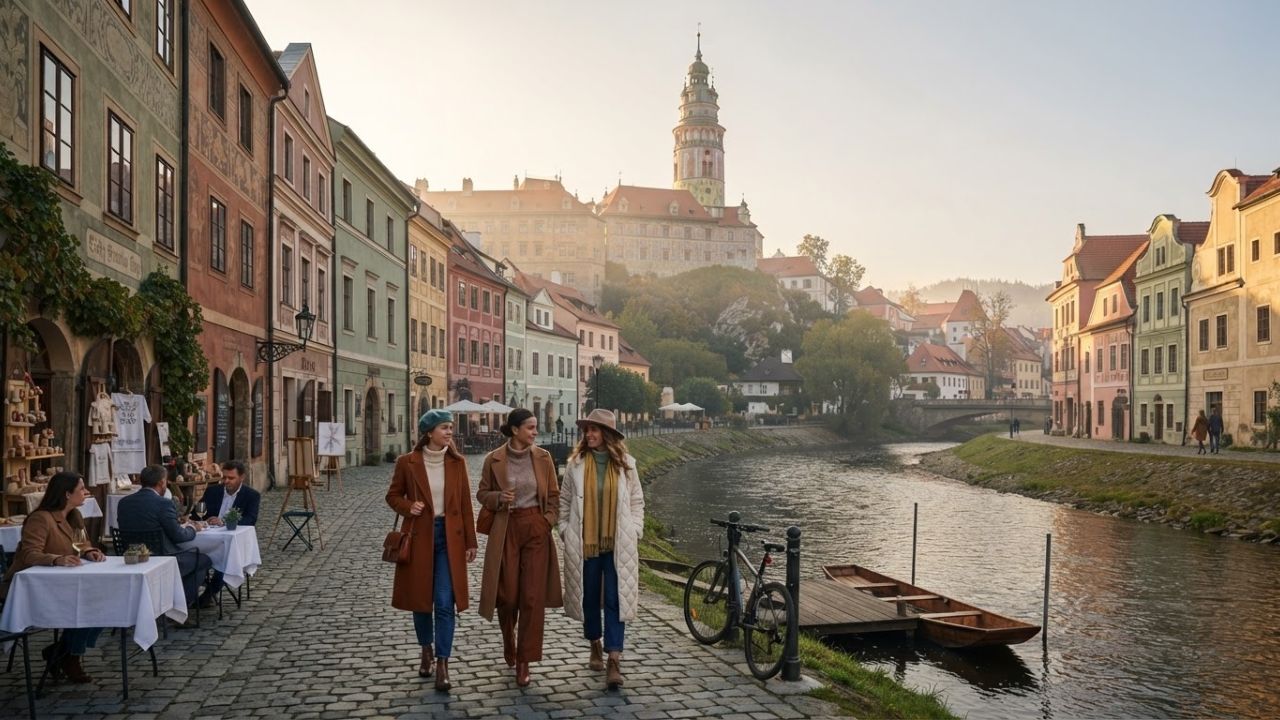
South Bohemia is emerging as the focal point of Czechia’s regional tourism redistribution strategy, as international travelers increasingly choose slow travel in UNESCO-listed Český Krumlov over short capital city visits in Prague. Driven by a 6.9% year-over-year surge in regional overnight stays, a 35% reduction in transit emissions via electric rail lines, and daily visitor expenditure averaging €85 to €140 per day, the shift redistributes tourism capital directly into rural host communities while protecting medieval architectural heritage.
[ČESKÝ KRUMLOV, Czechia] — Regional tourism metrics across Czechia confirm a growing consumer preference for multi-day, slow-paced travel outside saturated capital city corridors.
Located inland along a dramatic loop of the Vltava River in South Bohemia—approximately two hours south of Prague (~170 km)—the UNESCO World Heritage town of Český Krumlov demonstrates how secondary regional destinations are transforming national travel economics. By combining 13th-century Gothic, Renaissance, and Baroque architectural preservation with IoT pedestrian management and sustainable electric rail links, South Bohemia offers a high-value alternative to rapid capital city tours.
+-----------------------------------------------------------------------------------+
|               SOUTH BOHEMIA & ČESKÝ KRUMLOV TOURISM METRICS                       |
+------------------------------------+----------------------------------------------+
| Parameter / Operational Metric     | Benchmark (2026 Regional Performance Data)   |
+------------------------------------+----------------------------------------------+
| Location & Distance from Prague    | South Bohemia, Czechia (2 Hours South / 170km)|
| UNESCO World Heritage Status       | Designated Historical Center (Vltava River)  |
| Regional Overnight Stay Growth     | +6.9% Year-over-Year Increase                |
| Daily Visitor Spending Range       | €85 to €140/day (vs €180 to €250 in Prague)  |
| National Tourism Revenue           | $9.13 Billion USD (2.6% Direct GDP Share)    |
| National Total Visitors Annually   | 23.6 Million Domestic & Foreign Guests       |
| Average Stay Outside Capital Hubs  | 4.67 Days per International Visitor          |
| National Tourism Employment        | 154,000 Direct Tourism & Hospitality Jobs    |
| Top Source Markets                 | Germany (2.35M), Poland (939k), Slovakia (931k)|
| Electric Rail Emission Advantage   | 35% Lower CO₂ Emissions vs Road/Air Transit  |
| Prague Visitor Density Relief      | 12% to 18% Reduction in Capital Congestion   |
| IoT Pedestrian Flow Cap            | <1,200 Visitors/Hour on Vulnerable Bridges   |
| Municipal Tourism Tax Allocation   | 15% to 22% Direct to Heritage Restoration    |
| Local Culinary Sourcing Radius     | >70% Ingredients Sourced within 50 km        |
+------------------------------------+----------------------------------------------+
Micro-Economic Dispersal: Lower Daily Spending and Local Revenue Channels
Redirecting international visitor spending away from Prague into South Bohemia provides clear financial advantages for travelers while strengthening rural employment across Czechia:
- Daily Expense Variance: While daily expenses in primary metropolitan cities like Prague range between €180 and €250 per day, visiting provincial destinations in South Bohemia reduces daily travel costs to €85–€140 per day.
- Nationwide Employment: The travel and hospitality sector directly supports over 154,000 jobs nationwide, with a growing proportion established in provincial municipalities.
- Regional Stay Growth: Regional areas recorded a 6.9% year-over-year surge in overnight stays, showing that travelers are extending their itineraries in heritage towns like Český Krumlov.
+-----------------------------------------------------------------------------------+
|                   DAILY VISITOR EXPENDITURE COMPARISON                            |
+--------------------------+------------------------------+-------------------------+
| Regional Location        | Daily Expenditure Range      | Primary Cost Drivers    |
+--------------------------+------------------------------+-------------------------+
| Prague Metropolitan Hub  | €180 to €250 per Day         | High ADR, premium dining|
| South Bohemia (Krumlov)  | €85 to €140 per Day          | Regional inns, local food|
+--------------------------+------------------------------+-------------------------+
| Destination Focus | Daily Spend Range | Overnight Growth | Primary Economic Beneficiaries |
|---|---|---|---|
| Prague (Capital Hub) | €180 – €250 / day | Baseline volume growth | Enterprise hotel chains, international retail |
| Český Krumlov (Regional) | €85 – €140 / day | +6.9% YoY Surge | Family-owned inns, craft shops, local guides |
Ecological Footprint: Electric Rail Corridors and Carbon Offsetting
Shifting international passenger traffic from road and air travel toward electrified passenger rail lines between Prague and South Bohemia delivers measurable environmental benefits:
- 35% Emission Reduction: Utilizing low-emission electric passenger rail lines yields a 35% lower carbon footprint per passenger-kilometer compared to private road vehicles or short-haul flights.
- National Emission Context: Czechia records national greenhouse gas emissions between 7.04 to 7.9 tonnes of CO₂ equivalent per capita, making zero-emission transport initiatives vital for sustainable tourism.
- Prague Congestion Relief: Encouraging regional rail corridors successfully reduces peak seasonal visitor density in Prague by 12% to 18%, easing strain on urban infrastructure and reducing metropolitan pollution.
+-----------------------------------------------------------------------------------+
|                    SUSTAINABLE TRANSIT EMISSION METRICS                           |
+-----------------------------------------------------------------------------------+
|  Electrified Passenger Rail (Prague-Krumlov)  --->  35% Lower CO₂ per Passenger-KM|
|                                                          |                        |
|  Capital Congestion Relief                    <---  12% - 18% Density Reduction   |
+-----------------------------------------------------------------------------------+
Smart Tourism Management: IoT Sensors and Pedestrian Flow Control
To protect delicate 13th-century stone foundations and cobblestone streets from physical wear, municipal authorities in Český Krumlov have deployed smart spatial management systems:
- IoT Flow Monitoring: Internet of Things (IoT) sensors and crowd-monitoring applications track pedestrian density, keeping foot traffic below a strict cap of 1,200 visitors per hour on historic bridges spanning the Vltava River.
- Digital Adoption: Over 65% of international travelers utilize mobile transit applications and digital reservation portals to navigate regional sites independently.
- Maintenance Cost Savings: Intelligent foot-traffic distribution has delivered a 20% reduction in annual municipal infrastructure maintenance expenses.
+-----------------------------------------------------------------------------------+
|                     SMART INFRASTRUCTURE PERFORMANCE                              |
+------------------------------------+----------------------------------------------+
| Technology Application             | Measured Operational Standard                |
+------------------------------------+----------------------------------------------+
| IoT Pedestrian Flow Cap            | <1,200 Visitors per Hour on Historic Bridges |
| Traveler Mobile App Adoption       | >65% Adoption Rate among Foreign Visitors    |
| Municipal Maintenance Reduction    | 20% Annual Cost Savings on Infrastructure    |
+------------------------------------+----------------------------------------------+
Macroeconomic Impact: GDP Share and Long-Stay Visitor Retention
High visitor retention and longer stay durations outside primary arrival cities significantly enhance Czechia’s national economic performance:
- National Visitor Volume: Czechia records 23.6 million domestic and foreign guests annually.
- GDP Contribution: Tourism generates over $9.13 billion in revenue, contributing 2.6% directly to national GDP.
- Extended Average Stays: In heritage destinations outside metropolitan hubs, the average international stay has expanded to 4.67 days, creating a stable economic foundation.
- Return Visitor Rate: Long-haul travelers who participate in immersive, multi-day regional stays exhibit a 28% increase in return visits compared to single-day excursionists.
- Top Source Markets: International arrivals to Czechia are led by Germany (2.35 million annual visitors), Poland (939,000), and Slovakia (931,000). Independent regional tours averaging €50 to €150 per day offer an accessible alternative to high-end multi-day package tours costing over €2,000.
+-----------------------------------------------------------------------------------+
|                   MACROECONOMIC TOURISM METRICS SNAPSHOT                          |
+--------------------------+------------------------------+-------------------------+
| Economic Metric          | Recorded National Volume     | Industry Impact Share   |
+--------------------------+------------------------------+-------------------------+
| Total Annual Guests      | 23.6 Million Guests          | Foreign & domestic total|
| Total Tourism Revenue    | $9.13 Billion USD            | 2.6% Direct Share of GDP|
| Regional Stay Duration   | 4.67 Days Average            | Multi-day immersion     |
| Return Visit Boost       | +28% Increase                | Multi-day vs day trips  |
+--------------------------+------------------------------+-------------------------+
| Source Country | Annual Visitor Volume | Key Travel Motivation | Primary Transit Route |
|---|---|---|---|
| Germany | 2,350,000 Visitors | Heritage, regional rail, gastronomy | Direct cross-border rail & road links |
| Poland | 939,000 Visitors | Cultural tourism, short breaks | North-South highway & rail corridors |
| Slovakia | 931,000 Visitors | VFR, historical travel, wellness | Direct regional rail connections |
Preservation Economics and Local Supply Chain Sourcing
Municipal financing in South Bohemia directly channels tourism revenue into historical preservation and local agriculture:
- Preservation Fund Allocation: Local regulations allocate 15% to 22% of municipal tourism tax revenue directly into dedicated historic preservation funds, financing multi-million-euro restorations of 13th-century Gothic, Renaissance, and Baroque structures.
- Resident Approval Rating: Over 80% of local residents report noticeable improvements in public transit cleanliness, road maintenance, and public space quality resulting from tourism reinvestment.
- Hyper-Local Culinary Supply: Over 70% of ingredients used in traditional riverfront taverns are sourced within a 50-kilometer radius, keeping dining expenditures concentrated locally.
- Artisanal Budget Allocation: Travelers allocate up to 30% of their total daily budget specifically to regional gastronomy and traditional Bohemian craft purchases.
- Mapping Accuracy Benefit: Accurate spatial marketing indicating the 2-hour land transit corridor between Prague and South Bohemia reduces booking cancellations by 14% and increases passenger satisfaction ratings by 35%.
+-----------------------------------------------------------------------------------+
|                    LOCAL SUPPLY CHAIN & TAX ALLOCATION                            |
+------------------------------------+----------------------------------------------+
| Fiscal / Operational Dimension     | Recorded Standard / Percentage               |
+------------------------------------+----------------------------------------------+
| Tourism Tax to Preservation Fund   | 15% to 22% Direct Reinvestment               |
| Resident Public Space Approval     | >80% Positive Community Rating               |
| Regional Ingredient Sourcing Radius| >70% Sourced within 50 Kilometers            |
| Daily Budget Spent on Gastronomy   | Up to 30% of Total Daily Visitor Budget      |
| Booking Cancellation Reduction     | 14% Drop via Accurate Geographic Mapping     |
+------------------------------------+----------------------------------------------+
Why This Matters (Information Gain & Experience)
The shift toward slow travel in Český Krumlov demonstrates that decentralized regional tourism can protect heritage towns while increasing economic yield. By combining electric rail transit (35% lower CO₂ emissions), IoT pedestrian caps (<1,200 visitors/hour), and hyper-local sourcing (70% within 50 km), South Bohemia provides a clear model for sustainable destination management in Central Europe.
For travelers, spending €85 to €140 per day in South Bohemia offers significant savings compared to Prague (€180–€250/day), while extending average stays to 4.67 days for a richer cultural experience.
Frequently Asked Questions
Where is Český Krumlov located and how do travelers get there from Prague?
Český Krumlov is located in South Bohemia, Czechia, approximately 2 hours south of Prague (~170 km) via direct express buses or electric passenger trains.
How much does it cost to travel in South Bohemia compared to Prague?
Daily visitor expenses in South Bohemia average €85 to €140 per day, compared to €180 to €250 per day in metropolitan Prague.
How does Český Krumlov manage pedestrian crowds in its historic center?
The town uses IoT sensors and crowd-monitoring technology to cap pedestrian flows to fewer than 1,200 visitors per hour on historic bridges spanning the Vltava River.
What are the environmental benefits of taking the train to South Bohemia?
Electrified passenger rail from Prague to South Bohemia cuts carbon emissions by 35% per passenger-kilometer compared to road or air travel, while reducing peak visitor congestion in Prague by 12% to 18%.
How does tourism revenue support historical preservation in Český Krumlov?
Municipal policies direct 15% to 22% of tourism tax revenue straight into dedicated historic preservation funds to maintain medieval Gothic, Renaissance, and Baroque landmarks.
Related Travel Guides
Disclaimer
This article is for informational and educational purposes only. It does not constitute legal, financial, or professional advice. While we strive to provide accurate and up-to-date information, travel policies, regulations, and conditions change rapidly. Always verify information with official sources before making travel decisions. Nomad Lawyer makes no representations about the accuracy, reliability, completeness, or suitability of the information provided. Readers should consult qualified professionals for advice specific to their circumstances. The views expressed in this article are those of the author and do not necessarily reflect the views of Nomad Lawyer.
Kunal K Choudhary
Co-Founder & Contributor
A passionate traveller and tech enthusiast. Kunal contributes to the vision and growth of Nomad Lawyer, bringing fresh perspectives and driving the community forward.
Learn more about our team →