
Kenya, South Africa, Morocco, and Egypt Lead Historic African Tourism Boom Amid $200 Oil Shock and Strait of Hormuz Blockade: How US-Iran Conflict and Middle East Tensions Shift Global Travel Patterns
As the $200 oil crisis and Strait of Hormuz blockade disrupt global aviation, Africa emerges as a major travel powerhouse, attracting over 80 million international visitors.

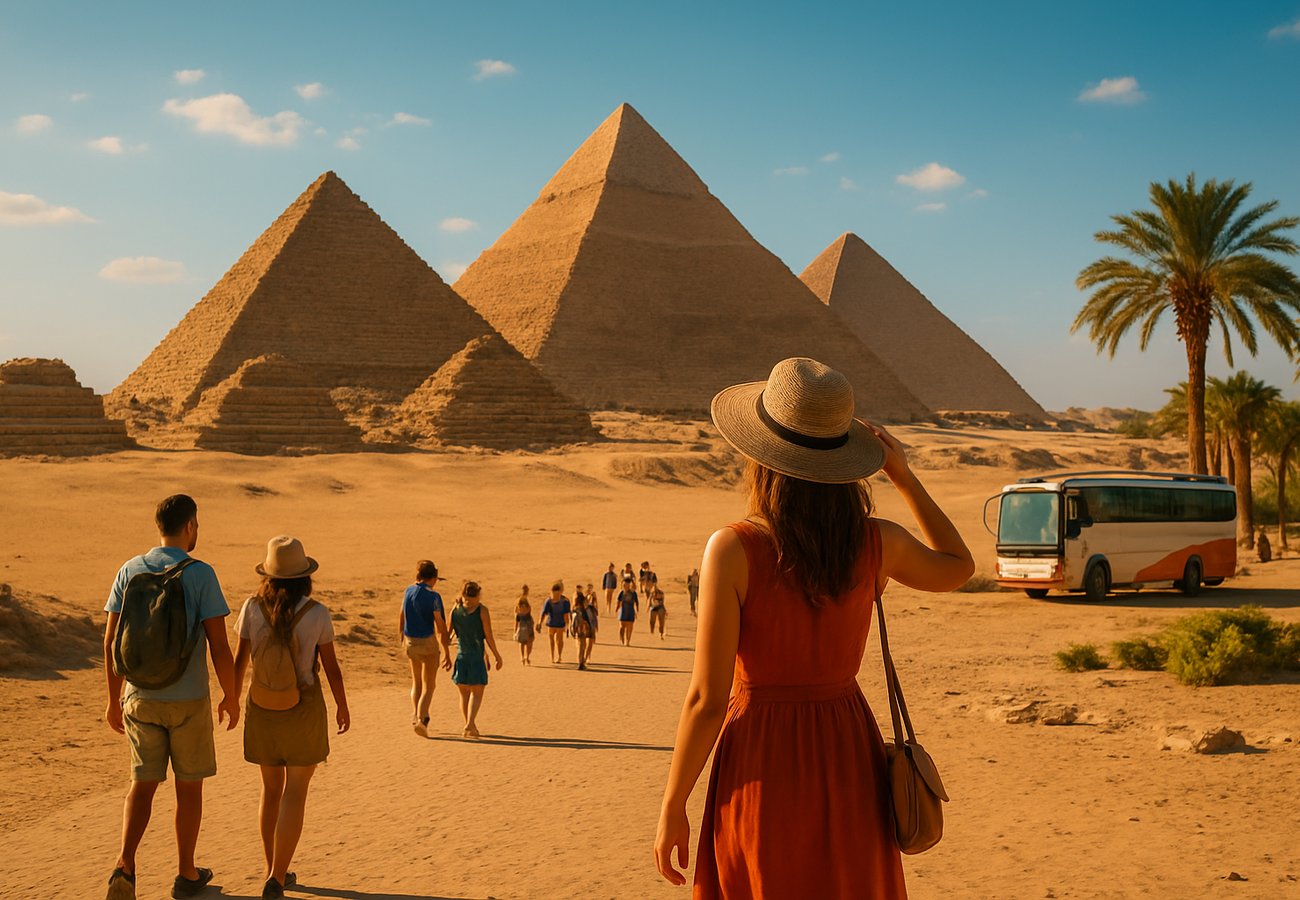
Image generated by AI
The global travel landscape is witnessing an extraordinary structural shift. As the aviation industry grapples with an unprecedented $200 per barrel oil shock and the military blockade of the Strait of Hormuz, Africa has emerged as a major global travel powerhouse.
With the escalating US-Iran conflict disrupting flight corridors and maritime trade in the Middle East, international travelers are shifting their patterns toward stable alternatives. This shift has triggered a historic tourism boom across Africa. In 2025, the continent recorded an impressive 8% increase in tourist arrivals, welcoming over 80 million international visitors and challenging traditional tourism hubs in Europe and Asia. This surge is being led by Kenya, South Africa, Morocco, and Egypt, which have successfully positioned themselves as highly resilient and diverse destinations despite global economic volatility.
Expanded Overview: Africa Rises as Middle East Shipping Bottlenecks Tighten
The ongoing global energy crisis has forced a complete reorganization of international travel logistics. The blockade of the Strait of Hormuz—the world’s most critical maritime oil corridor, handling roughly 20% of global petroleum transit—has taken millions of barrels of crude oil off the market, sending fuel prices soaring to record highs.
For the tourism industry, this fuel crisis has led to significantly higher long-haul ticket prices and reduced flight capacities. However, rather than halting travel altogether, these economic challenges have caused travelers to choose stable, high-value alternative destinations. Africa's tourism sector has capitalized on this trend, drawing millions of travelers who are looking for secure, culturally rich, and eco-friendly destinations that offer deep travel experiences without the high costs of traditional long-haul transit hubs.
Geopolitical Context: Persian Gulf Volatility and African Stability
The root of this global economic strain lies in the intense military standoff between the United States and Iran in the Persian Gulf. Naval blockades and security threats have made Middle Eastern transit corridors highly volatile, driving up oil prices and forcing commercial airlines to adjust their flight patterns.
This conflict has directly impacted major oil producers—including Saudi Arabia, the United Arab Emirates (UAE), Qatar, Kuwait, Oman, and Bahrain—who are working hard to protect their shipping lanes and stabilize energy markets. In this climate of high volatility, Africa has positioned itself as a safe and stable travel alternative. By offering rich cultural heritage, world-class wildlife reserves, and rapidly expanding urban tourism, African nations are capturing a massive share of the global travel market, drawing visitors who want to avoid the geopolitical friction of other regions.
Global Energy Impact: Rising Flight Costs and the Pivot to High-Value Stays
With oil prices firmly established at $200 per barrel, airlines are under immense pressure to optimize their operations. Jet fuel costs have forced carriers to raise airfares, making long-distance flights a premium purchase and prompting travelers to choose destinations where they can get the most value for their money.
| Country | Core Tourism Expansion Areas | Key Destinations & Initiatives |
|---|---|---|
| Kenya | Adventure, Wildlife, and Contemporary Art | Nairobi, Mombasa Coastline, and Eco-Safaris |
| South Africa | Urban Luxury, Gastronomy, and Wildlife | Cape Town, Kruger National Park, and Cape Winelands |
| Morocco | Cultural Heritage and Culinary Tourism | Marrakech Medinas, Coastal Resorts, and Ancient Souks |
| Egypt | Historic Heritage and Luxury Coastal Resorts | Giza Pyramids, Luxor, and Red Sea Beach Expansions |
By offering a diverse mix of cultural, historical, and nature-based experiences, these leading African nations are attracting premium travelers who are willing to pay higher flight prices in exchange for highly immersive and sustainable travel experiences.
Shipping & Trade Impact: Localized Sourcing and Intra-African Logistics
The ongoing Strait of Hormuz blockade has forced shipping fleets to bypass the Suez Canal and route around Africa’s Cape of Good Hope. While this detour has added up to two weeks to global transit schedules and sent maritime insurance rates soaring by over 500%, it has also focused international attention on African port infrastructures.
However, the high cost of imports has made it expensive for hotels and resorts to source international goods. To counter this, hospitality operators in Kenya, South Africa, Morocco, and Egypt are focusing on localized sourcing. By partnering with local farmers, artisans, and construction firms, hotels are reducing their reliance on expensive imported goods, building stronger regional supply chains, and keeping tourism revenues directly within local communities.
Regional Impact: Strategic Diversification in the Gulf Cooperation Council (GCC)
The prolonged energy crisis has also forced major Gulf states to re-evaluate their long-term economic strategies. Saudi Arabia, the UAE, and Qatar are investing billions of dollars in building luxury, high-volume tourism sectors to prepare for a post-oil future.
However, with the Strait of Hormuz blocked and international transit constrained, these nations are facing a temporary slowdown in traveler arrivals. In response, Gulf-based super-connectors like Emirates and Qatar Airways are actively expanding their flight networks into Africa. By introducing more direct flights and promotional packages to major hubs like Nairobi, Cairo, Casablanca, and Johannesburg, these airlines are successfully keeping their aircraft active while helping to drive Africa’s impressive tourism growth.
Addressing Challenges: Connectivity, Mobility, and Visa Reforms
While Africa’s tourism growth is highly impressive, the continent still faces structural challenges that must be addressed to maximize its potential:
- Flight Connectivity: While major hubs like Nairobi, Addis Ababa, and Johannesburg are well-connected internationally, intra-Africa travel remains expensive and complex due to a lack of direct regional flights.
- Visa Policies: Historically, strict visa requirements have acted as a barrier for travelers. However, several African countries have begun relaxing their visa policies, offering e-visas and visa-on-arrival options to encourage seamless, multi-destination travel.
- Tourism Infrastructure: Increased investments are pouring into the continent's hospitality sector. Events like the African Tourism Investment Forum have become crucial platforms for showcasing high-end resort development along the coastlines of Kenya and Egypt.
How Youth and Innovation Are Shaping the Future of African Travel
Africa's youth population—with an average age of 19—is one of its greatest assets and is actively reshaping the tourism industry.
In cities like Nairobi, Kigali, and Cape Town, young entrepreneurs are developing tech-savvy solutions and locally-driven experiences for travelers. From boutique, solar-powered eco-lodges to unique cultural tours, these young innovators are at the forefront of the industry. Additionally, the rise of the digital nomad culture, in which remote workers seek out affordable yet culturally vibrant destinations for long-term stays, is providing a steady, long-term economic boost to the region.
What Happens Next: Future Scenarios and Travel Outlook
- Continued Energy Crisis: If Middle Eastern shipping disruptions continue and oil prices remain at $200/bbl, Africa’s focus on sustainable, localized travel will likely draw even more travelers, permanently establishing the continent as a primary global travel destination.
- Diplomatic De-escalation: If international diplomatic efforts successfully resolve the US-Iran conflict and stabilize global fuel prices, the green travel technologies and relaxed visa policies developed during this crisis will continue to provide African nations with a massive competitive advantage.
Conclusion
The historic growth of African tourism in 2026 is a testament to the resilience of sustainable and diverse travel models. As the Strait of Hormuz blockade and $200 oil prices continue to disrupt traditional travel markets, Kenya, South Africa, Morocco, and Egypt have shown that offering safe, culturally rich, and environmentally responsible travel is the ultimate defense against global economic volatility. By investing in local communities, relaxing visa barriers, and promoting green technologies, Africa is successfully redefining the future of global travel.
Key Takeaways
- Historic Surge: Africa welcomed over 80 million international visitors in 2025 (an 8% increase), emerging as a major global travel powerhouse.
- Leading Nations: Kenya, South Africa, Morocco, and Egypt are leading the continent's tourism boom, offering stable alternatives to high-risk areas.
- Energy Pressure: The ongoing Strait of Hormuz blockade and $200/bbl oil shock have raised global flight costs, prompting travelers to seek high-value destinations.
- Diversified Offerings: Africa's tourism sector is successfully expanding beyond traditional wildlife safaris into urban luxury, culinary, and beach travel.
- Innovative Future: Relaxed visa policies, increased infrastructure investments, and tech-savvy youth are successfully driving the continent's long-term tourism growth.
FAQ: African Tourism & Geopolitical Volatility 2026
How does the global energy crisis affect travel to Africa? While long-haul flight prices are higher due to the $200/bbl oil shock, Africa's diverse and high-value travel experiences are attracting premium travelers who are willing to invest in immersive and sustainable stays.
Are major African tourist destinations safe to visit right now? Yes, countries like Kenya, South Africa, Morocco, and Egypt offer highly secure and stable environments, making them incredibly popular alternatives to other geopolitically sensitive regions.
How is Africa making travel easier for international tourists? Many African nations are actively relaxing their visa requirements, introducing electronic visas (e-visas) and visa-free travel corridors to encourage multi-destination trips across the continent.
Related Travel Guides
Disclaimer
This article is for informational and educational purposes only. It does not constitute legal, financial, or professional advice. While we strive to provide accurate and up-to-date information, travel policies, regulations, and conditions change rapidly. Always verify information with official sources before making travel decisions. Nomad Lawyer makes no representations about the accuracy, reliability, completeness, or suitability of the information provided. Readers should consult qualified professionals for advice specific to their circumstances. The views expressed in this article are those of the author and do not necessarily reflect the views of Nomad Lawyer.
Kunal K Choudhary
Co-Founder & Contributor
A passionate traveller and tech enthusiast. Kunal contributes to the vision and growth of Nomad Lawyer, bringing fresh perspectives and driving the community forward.
Learn more about our team →