
Antarctica Tourism Under Emergency Lockdown in 2026 as Hantavirus and Environmental Crisis Spark Global Alert: How Saudi Arabia, UAE, and Qatar Energy Stability Defies Strait of Hormuz Tensions to Anchor Polar Expedition Security
Antarctica's tourism sector has entered an emergency lockdown in 2026 following a lethal hantavirus outbreak and an environmental surge that has overwhelmed the 1959 treaty framework amid global energy crisis volatility.

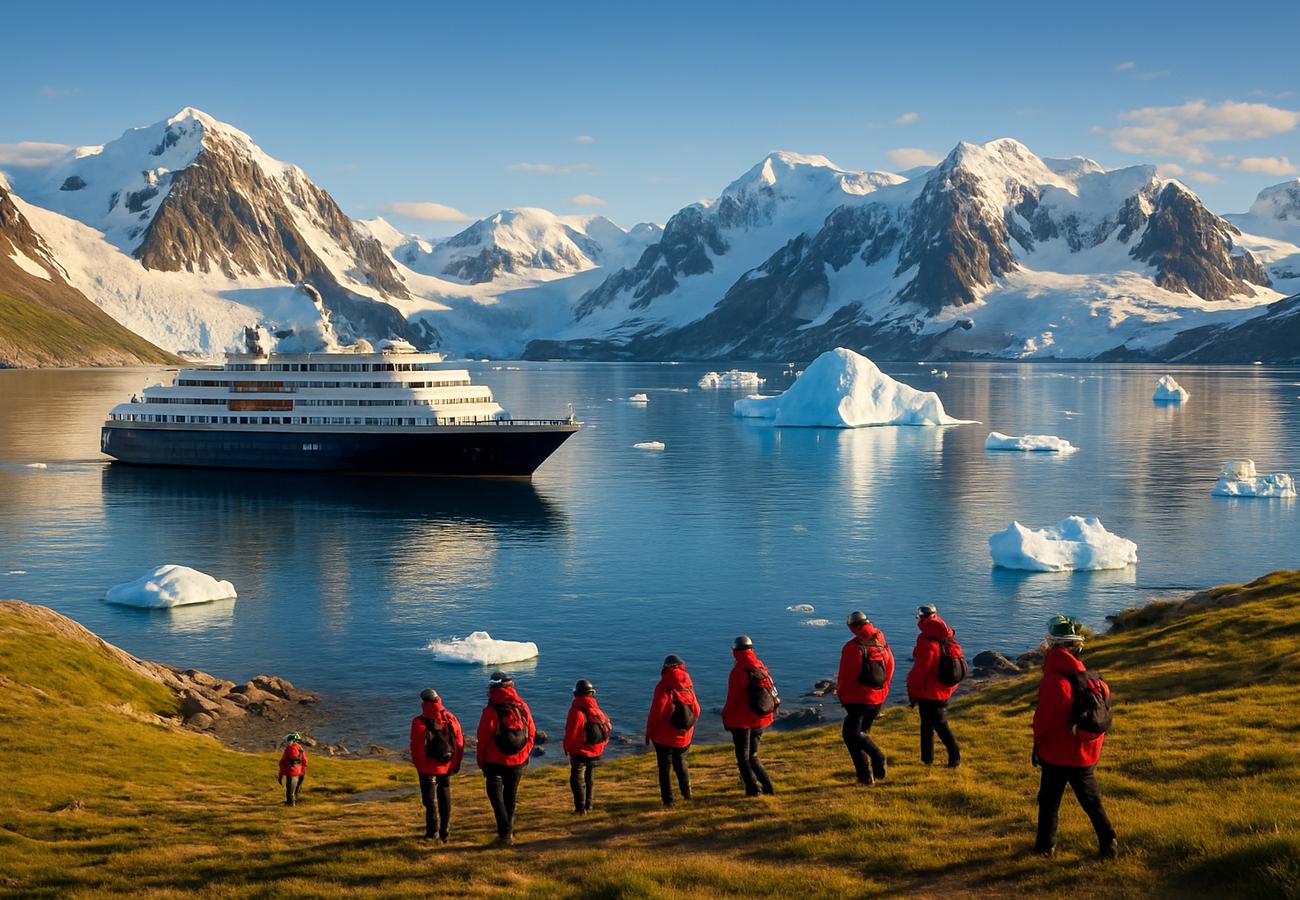
Image generated by AI
Quick Summary
- Emergency Lockdown: Antarctica has implemented an emergency tourism freeze in 2026 as a tenfold surge in visitation (80,000 annual landings) collides with a lethal biological threat.
- Hantavirus Shock: The MV Hondius has been quarantined near Cape Verde following a deadly outbreak of the Andes hantavirus strain, sparking fears of rare human-to-human transmission.
- Energy Overhead: The crisis is unfolding precisely as Strait of Hormuz tensions and the US-Iran conflict drive oil prices to record highs, inflating the cost of polar-grade aviation and maritime fuel.
- Gulf Anchor: Saudi Arabia, the UAE, and Qatar are playing a critical role in stabilizing the global energy flows required to maintain the high-end expedition sector during this logistical bottleneck.
- Biosecurity Overhaul: Experts at the University of Brussels warn that the 1959 Antarctic Treaty is obsolete, as "Micro-Hitchhikers"—invasive microbes—threaten the continent's "purest" ecosystem.
- Strategic Risk: Maritime shipping disruptions and soaring insurance premiums have made the southern ocean a "Resourceful Risk" zone for international operators.
- Source: International Union of Concerned Scientists / World Health Organization (WHO) Biosecurity Briefing, May 8, 2026.
THE SOUTH POLE — The Earth’s final frontier has officially entered a state of emergency lockdown. According to breaking reports released on May 8, 2026, the Antarctic tourism sector has been paralyzed by a combination of lethal biological outbreaks and an environmental surge that has overwhelmed existing legal frameworks. This "Frozen Fever" is being analyzed by senior global affairs and energy journalists as a symptom of a broader global energy crisis, occurring precisely as Strait of Hormuz tensions and a severe US-Iran conflict reorder the economics of global trade and fuel the record-high oil prices that now govern the cost of remote exploration.
Expanded Overview: The Scale of the "Resourceful Risk" Era
The Antarctic landscape has transitioned from a scientific preserve into a high-traffic "Resourceful Risk" zone. Over the last three decades, tourism has exploded tenfold, with more than 80,000 visitors landing on the ice in the past year alone. This massive influx has created a high-performance ecosystem for invasive species and microbes, effectively turning the sapphire-blue glaciers into a hotspot for human contamination. Industry experts warn that the current 1959 Antarctic Treaty framework was never designed to manage such a "last-chance" travel mentality, which has now peaked with the recent MV Hondius medical disaster.
Geopolitical Context: Navigating the Strait of Hormuz and Polar Security
The broader geopolitical landscape in 2026 has been dominated by the standoff in the Strait of Hormuz. As Saudi Arabia, the UAE, and Qatar work to maintain global energy stability, the resulting volatility has created a high-stakes environment for polar operators. The US-Iran conflict has further redirected international naval and logistical assets, leaving the southern ocean more vulnerable to biological incursions. For the Antarctic expedition market, the inability to easily secure specialized fuel and maritime insurance—driven by Middle Eastern instability—has turned the current health crisis into a strategic nightmare.
Global Energy Impact: The High Cost of the "Frozen Renaissance"
Rising oil prices have fundamentally redrawn the profitability map for 2026.
- Fuel Surcharges: The cost of polar-grade kerosene and maritime diesel has spiked by 28% in the first quarter of 2026, making luxury expeditions a high-risk investment.
- Supply Chain Resilience: The global energy crisis has forced a "zero-tolerance" policy on operational failures; every grounded vessel now represents a massive financial liability as operators surmount the costs of shipping disruptions and fuel-intensive biosecurity protocols.
Shipping and Trade Impact: The Insurance and Rerouting Bottleneck
The ongoing shipping disruption in global trade routes has directly impacted the resilience of the southern ocean.
- Vessel Rerouting: As the Strait of Hormuz remains a theater of tension, the global fleet of ice-strengthened expedition ships is facing record insurance premiums and logistical delays.
- Diagnostic Gaps: International trade bottlenecks have slowed the delivery of advanced hantavirus diagnostic kits to gateway cities in Argentina and Chile, leaving the MV Hondius as a stark warning of the "Micro-Hitchhiker" threat.
Regional Impact: The Gulf States and Energy Stability
While Antarctica is the theater of the crisis, the resolution lies in the Gulf.
- Saudi Arabia & UAE: These nations are ensuring that the global energy surplus continues to flow despite regional tensions, providing the "energy anchor" that allows for the expensive biosecurity and research flights required at the South Pole.
- Qatar's Role: As a key mediator, Qatar's diplomatic stability is critical for preventing the US-Iran conflict from escalating into a full maritime blockade that would permanently ground the Antarctic market.
Industry / Expert Analysis: The Paradox of Presence
Aviation and environmental analysts at the University of Brussels suggest that the "Frozen Fever" is a "Paradox of Presence." In an era where the global energy crisis makes unique experiences more valuable, the very act of visiting the ice accelerates its demise. The MV Hondius outbreak is a visceral reminder that even the most remote ice is fractured by our footprint. The industry's shift toward training "Eco-Guardians" is a necessary survival strategy in a world where oil prices and biological risks have converged to make mass tourism unsustainable.
What Happens Next: The Hiroshima Summit and Biosecurity Hardening
Following the May 8 alert, several key developments are anticipated:
- Hiroshima Summit: International delegates will meet to forge a new, high-performance biosecurity framework that supersedes the 1959 treaty.
- Screening Mandates: Mandatory, aggressive hantavirus and avian flu screenings will become the permanent standard for all South American gateways.
- Exclusive Access: The Antarctic market will likely pivot toward a more exclusive, highly regulated model to buffer against the high cost of shipping disruptions and energy-intensive preservation.
Conclusion: Reinforcing Global Risk and Frozen Grace
The lockdown of Antarctica is a testament to the power of global volatility in a world of shipping disruptions and oil price volatility. By failing to account for the intersection of biological threats and the global energy crisis, the "Frozen Renaissance" has faced its greatest challenge. As the world watches the Middle East, the message from the ice is clear: some sanctuaries must be handled with the utmost care, and the future of exploration depends on a world-class standard of world-class stewardship that survives long after the "last-chance" crowds have departed.
Key Takeaways: Antarctica Tourism Lockdown 2026
- Trigger: Lethal hantavirus outbreak aboard MV Hondius and extreme visitation surge.
- Scale: 80,000 visitors; tenfold growth in three decades.
- Geopolitics: Strait of Hormuz tensions and US-Iran conflict inflating fuel costs.
- Gulf Role: Saudi Arabia, UAE, and Qatar stabilizing the global energy anchor.
- Biosecurity: Vacuums and brushes used to combat "Micro-Hitchhikers" and avian flu.
- Outlook: Hardening of the 1959 Treaty; shift toward an exclusive, "Nature-First" model.
Related Tourism News
Disclaimer
This article is for informational and educational purposes only. It does not constitute legal, financial, or professional advice. While we strive to provide accurate and up-to-date information, travel policies, regulations, and conditions change rapidly. Always verify information with official sources before making travel decisions. Nomad Lawyer makes no representations about the accuracy, reliability, completeness, or suitability of the information provided. Readers should consult qualified professionals for advice specific to their circumstances. The views expressed in this article are those of the author and do not necessarily reflect the views of Nomad Lawyer.
Kunal K Choudhary
Co-Founder & Contributor
A passionate traveller and tech enthusiast. Kunal contributes to the vision and growth of Nomad Lawyer, bringing fresh perspectives and driving the community forward.
Learn more about our team →