
Cyprus Steps Up With Greece to Boost Sustainable Tourism Through Cross Border Clean Up and Marine Protection
Cyprus Steps Up With Greece to Boost Sustainable Tourism Through Cross Border Clean Up and Marine Protection

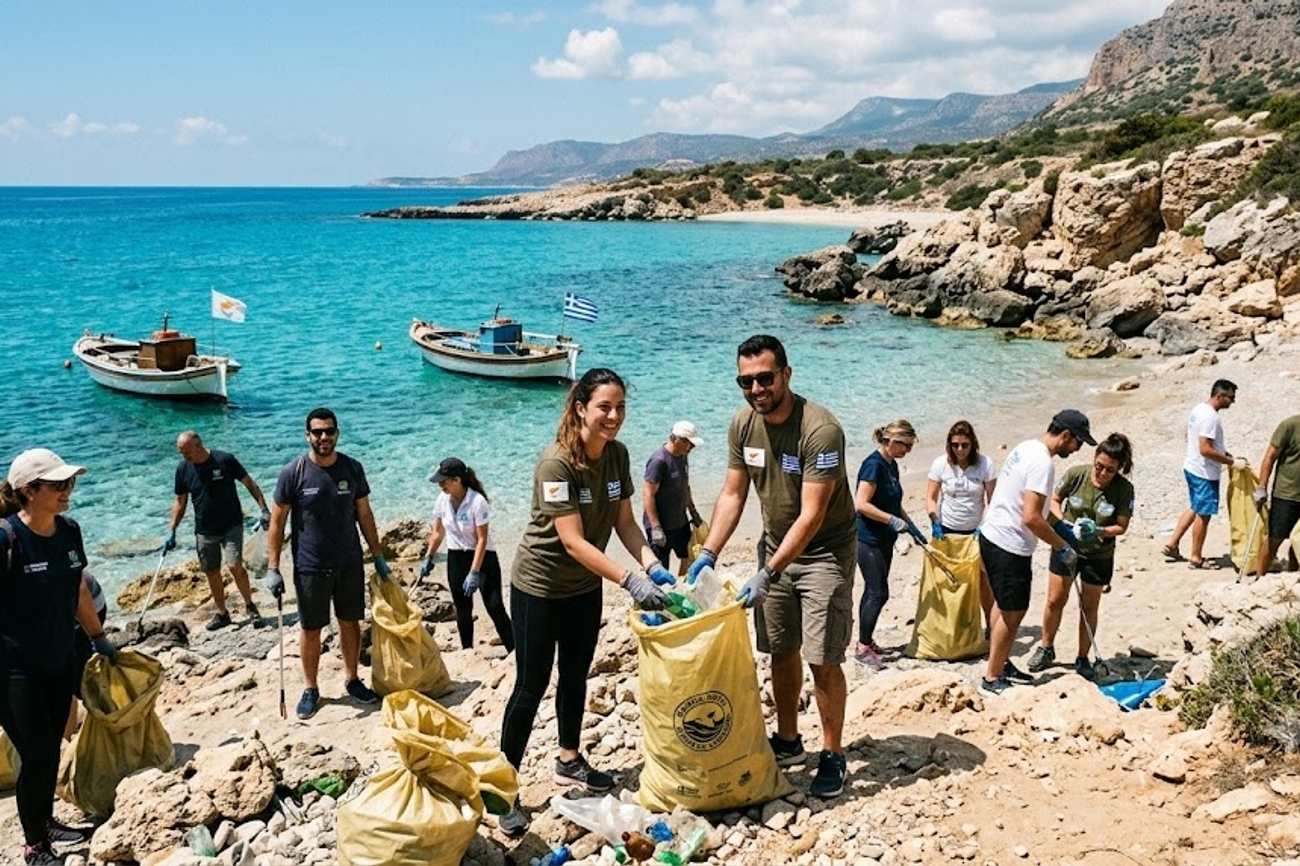
Image generated by AI
While most visitors view the Mediterranean as a static backdrop for summer holidays, a massive cross-border mobilization is shifting the narrative from passive consumption to active preservation. On 25 September 2026, just two days before World Tourism Day on 27 September 2026, Cyprus and Greece will launch a joint environmental offensive to scrub their coastlines and seabeds of waste, marking a departure from traditional tourism promotion.
The Shift Toward Regenerative Mediterranean Travel
For decades, the travel model in the Eastern Mediterranean has been based on volume—more flights, more hotels, and more sunbeds. However, a new movement is taking hold that prioritizes the health of the ecosystem over the number of arrivals. The "Tourism Cares: Unite for Cleaner Destinations" initiative is the physical manifestation of this shift. Rather than simply asking tourists to "leave no trace," this campaign integrates the industry itself into the cleanup process.
This is not a small-scale local effort; it is a coordinated strike against pollution involving nearly 100 tourism organizations. The scale of the collaboration is significant because it bridges the gap between the people who profit from the scenery and the people who protect it. By uniting hospitality groups, diving centers, and environmentalists, Cyprus and Greece are acknowledging that their economic survival is tethered to the biological health of the sea.
The timing is intentional. By aligning with the global programme of tourism events for September 2026, these two nations are positioning themselves as leaders in a region where the tension between growth and ecology has often reached a breaking point. They are moving toward a model where the "tourism product" is no longer just a beach or a ruin, but the act of stewardship itself.
What Makes This Region Different
The Eastern Mediterranean is a unique ecological crossroads. From the rugged Troodos Mountains in Cyprus to the thousands of islands dotting the Greek archipelago, the geography is defined by a fragile relationship between land and water. The draw for millions of travelers—the crystal-clear turquoise waters and diverse marine life—is exactly what makes the region vulnerable.
What sets this specific initiative apart is its focus on the "invisible" pollution. While beach cleanups are common, this campaign puts a heavy emphasis on the seabed. By mobilizing professional diving centers and marine organizations, the initiative targets the waste that settles in the depths, far from the sight of the average sunbather. This recognizes that the marine biodiversity attracting divers and boaters is under threat from plastic that doesn't just wash up on the sand but suffocates the reefs and seagrasses below.
Furthermore, the cross-border nature of the project acknowledges a scientific reality: currents do not respect national borders. Plastic waste floating off the coast of Crete can easily end up in Cypriot waters. By treating the Mediterranean as a shared resource rather than a set of separate national territories, Greece and Cyprus are creating a blueprint for how neighboring states can manage environmental crises. You can explore the broader efforts to protect these waters through the UNESCO World Heritage Centre, which tracks the preservation of the region's most critical sites.
Visitor Insider Tips
To experience Cyprus and Greece through this more conscious lens, you need to move beyond the resorts. Here is how to navigate these destinations like a local who cares about the land.
Timing Your Visit Avoid the "August crush." The peak heat and crowds put immense pressure on local waste management systems. Instead, aim for the "shoulder seasons" of May to June or September to October. Not only is the weather more temperate, but you will find that local businesses are more open to sharing the authentic, slower side of Mediterranean life.
Local Etiquette and Habits In both countries, the "plastic-free" movement is gaining momentum. Carry a reusable water bottle; in many Greek villages and Cypriot towns, you will find public fountains with potable water. When visiting coastal areas, avoid the "convenience" of plastic bags. Local markets are increasingly shifting toward paper or cloth, and using them is a sign of respect for the community.
Where to Base Yourself Instead of the massive all-inclusive hubs, look for "Agrotourism" stays in the Cypriot highlands or boutique eco-lodges in the Peloponnese. These accommodations typically have a direct relationship with the land and often participate in the very conservation efforts mentioned in the 2026 campaign.
Transport Hacks To reduce your footprint, utilize the ferry networks between the Greek islands or the efficient bus systems in Cyprus. For those planning a trip, the Visit Greece and Visit Cyprus official portals provide updated maps on how to reach remote nature trails and parks without relying solely on rental cars.
Cultural and Environmental Context
The relationship between tourism and the environment in the Mediterranean is fraught with contradiction. On one hand, tourism provides the financial incentive to protect nature reserves and ancient forests. On the other, the sheer volume of visitors during the summer months can lead to "overtourism," where the infrastructure cannot keep up with the waste produced.
This cleanup campaign is a response to the realization that cleaning the beach once a year is a band-aid solution. The real goal is a behavioral pivot. The "Tourism Cares" initiative is attempting to embed sustainability into the daily operations of the hospitality sector. When a hotel removes single-use plastics or a diving center educates its clients on reef protection, it changes the cultural expectation of what a "luxury" holiday looks like.
There is also a deep cultural connection to the sea in both nations. For Greeks and Cypriots, the Mediterranean is not just a tourist attraction; it is a source of food, a historical highway, and a spiritual anchor. When the sea is polluted, it is not just a loss of "aesthetic value" for the tourist—it is a threat to the traditional way of life for the fishing communities and coastal residents. By involving local volunteers and residents in the 2026 drive, the campaign ensures that the drive for sustainability is rooted in community pride, not just corporate PR.
FAQ: Visiting Cyprus and Greece 2026
What is the best time to visit for eco-conscious travel? September is ideal. You can witness the "Tourism Cares" activities around September 25th and 27th, and the weather is mild enough for hiking in forests and nature trails without the extreme heat of July.
How do I get between Greece and Cyprus? The most common method is flying from Athens to Larnaca or Paphos. For those seeking a lower-carbon footprint, check for ferry connections from the Greek islands, though flights remain the primary link between the two nations.
Is it safe for solo travelers? Yes, both countries are exceptionally safe for solo travelers. The culture of "philoxenia" (hospitality to strangers) is strong. Using registered eco-tours and diving centers is a great way to meet like-minded travelers.
Do I need a visa for these destinations? Both Greece and Cyprus are members of the European Union. Depending on your citizenship, you may enter visa-free or require a Schengen visa. Always check the latest requirements via the official government portals.
True luxury in the Mediterranean is no longer about the gold leaf on the plate, but the clarity of the water in the bay.
Related Travel Guides
Disclaimer
This article is for informational and educational purposes only. It does not constitute legal, financial, or professional advice. While we strive to provide accurate and up-to-date information, travel policies, regulations, and conditions change rapidly. Always verify information with official sources before making travel decisions. Nomad Lawyer makes no representations about the accuracy, reliability, completeness, or suitability of the information provided. Readers should consult qualified professionals for advice specific to their circumstances. The views expressed in this article are those of the author and do not necessarily reflect the views of Nomad Lawyer.
Kunal K Choudhary
Co-Founder & Contributor
A passionate traveller and tech enthusiast. Kunal contributes to the vision and growth of Nomad Lawyer, bringing fresh perspectives and driving the community forward.
Learn more about our team →