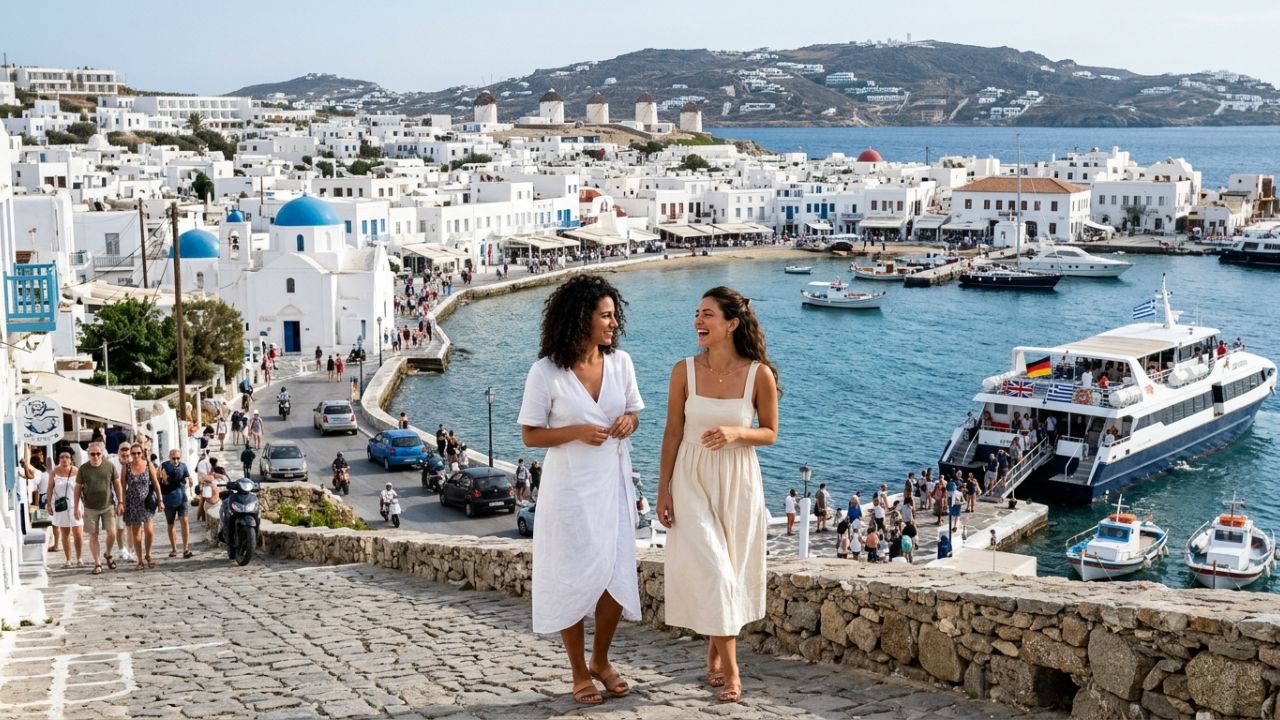
Slovenia Unveils 2027 Wellness Tourism Vision at WTM London: UK Arrivals Surge 32.5% as Thermal Spas and Karst Regeneration Take Center Stage

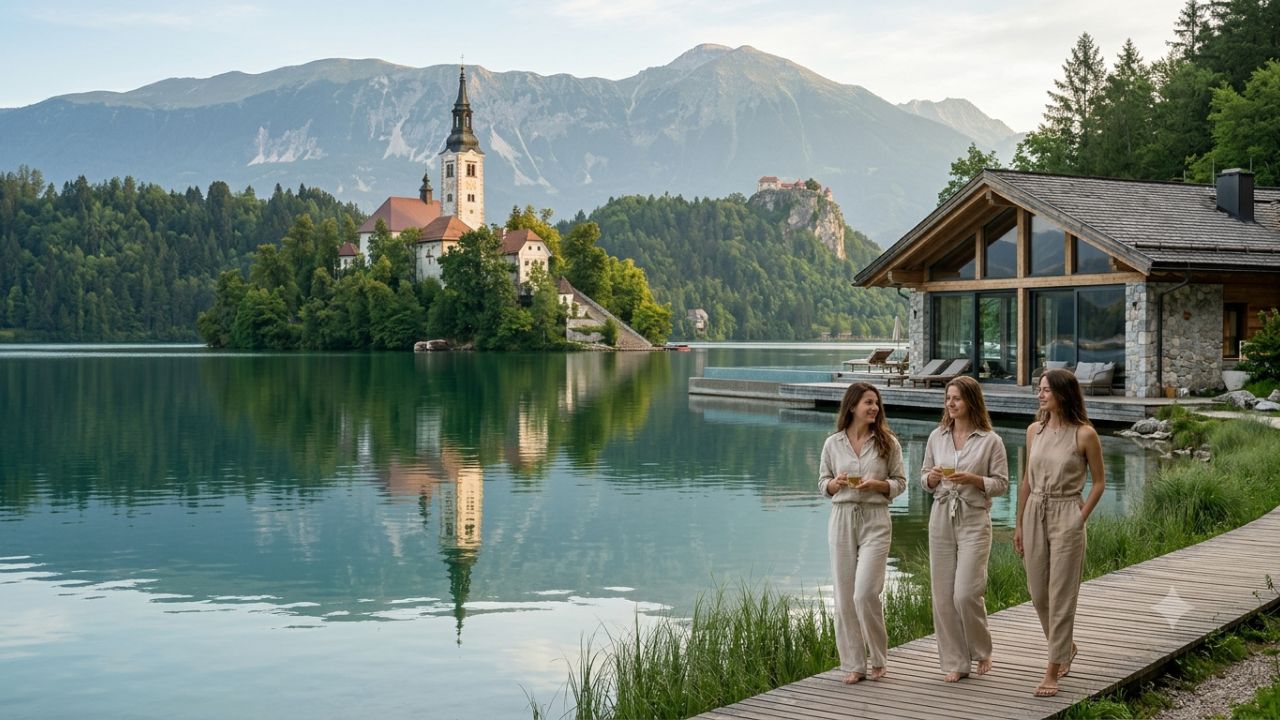
LONDON, United Kingdom — Unveiling its forward-looking promotional roadmap at World Travel Market London 2026, the Slovenian Tourist Board has positioned health, holistic wellbeing, and nature-based regeneration as the central themes of its upcoming 2027 international tourism campaign. As more than 46,500 travel professionals gathered at ExCeL London from November 3 to 5, Slovenia’s national showcase arrived on the heels of exceptional inbound market expansion from the United Kingdom. Official data from the Statistical Office of the Republic of Slovenia confirms that British visitor arrivals climbed to 225,778 during the first nine months of 2026—a remarkable 32.5 percent surge compared to the same period in 2025. With UK overnight stays simultaneously jumping 33.3 percent to reach 598,138 nights, the Central European nation is capitalizing on strong transatlantic and European demand by showcasing 20 premier regional destinations, historic thermal spas, and the cross-border Carsus Trail, an inspiring ecological hiking route born from the ashes of the 2022 Karst wildfire.
+----------------------------------------------------------------------------------------------------+ | KEY TAKEAWAYS: SLOVENIA'S 2027 WELLNESS VISION & UK TOURISM MARKET PERFORMANCE | +----------------------------------------------------------------------------------------------------+ | - Strategic 2027 Campaign Focus: Health and wellbeing will serve as the overarching thematic core | | of Slovenia's international destination promotion throughout 2027, emphasizing natural thermal | | waters, apitherapy, forest therapy, and boutique regenerative travel. | | - Record UK Source Market Growth: Welcomed 225,778 British visitors from January to September | | 2026 (+32.5% YoY), generating 598,138 overnight stays (+33.3% YoY), according to SURS figures. | | - WTM London Presence: Hosted at ExCeL London with 20 leading Slovenian tourism enterprises, | | spas, and regional destinations united under the national "I feel Slovenia" promotional brand. | | - Standout Trail Innovation: The Carsus Trail (Pot Krasa), a cross-border regenerative hiking | | route developed across the Karst plateau following the catastrophic wildfire of July 2022. | | - Decentralization Mandate: Slovenian Tourist Board leadership emphasizes dispersing tourist | | flows beyond high-density hotspots (Ljubljana, Lake Bled) toward eastern thermal spas and south. | | - Green Scheme Leadership: Expanding the national Slovenia Green certification framework across | | boutique eco-chalets, certified organic farmsteads, and sustainable regional transport routes. | +----------------------------------------------------------------------------------------------------+
   SLOVENIA'S 2027 REGENERATIVE TOURISM PILLARS & REGIONAL DISPERSION
   ==================================================================
   [WTM London Launch: "I feel Slovenia" 2027 Health & Wellbeing Vision]
                                 │
         ┌───────────────────────┼───────────────────────┐
         ▼                       ▼                       ▼
[Thermal & Medical Spas]   [Active Nature & Trails]   [Boutique Eco-Hospitality]
 - 13 Certified Spas        - Carsus Trail (Karst)     - Slovenia Green Certified
 - Rogaška Slatina (Donat)  - Julian Alps Biosphere    - Forest Glamping Chalets
 - Terme Olimia / Orhidelia - Soča River Valley        - Restored Wine Homesteads
 - Terme Čatež & Dobrna     - Pohorje Peat Forest      - Traditional Api-Chalets
         │                       │                       │
         └───────────────────────┼───────────────────────┘
                                 ▼
         [Strategic Goals: Year-Round Inbound Yield & Zero Overcrowding]
The WTM London Platform: Framing the 2027 Health and Wellbeing Campaign
World Travel Market London remains the preeminent global marketplace for the leisure and corporate travel industry, convening destination marketing organizations, commercial buyers, international airline planners, and travel media from across 182 countries. For the Slovenian Tourist Board, the three-day trade exhibition at ExCeL London represents the strategic launchpad for its multi-year marketing cycles. Operating under the unified national brand "I feel Slovenia," the national pavilion brought together 20 of the country’s leading regional tourism boards, thermal health resorts, boutique accommodation providers, and incoming destination management companies.
The centerpiece of Slovenia’s presentation at WTM London is the formal designation of Health and Wellbeing as the official core theme for the 2027 tourism season. In an era when international travelers increasingly seek restorative travel experiences that counteract urban stress and digital fatigue, Slovenia is moving aggressively to claim global leadership in evidence-based natural wellness. Rather than treating wellness as an isolated hotel amenity consisting of generic massages and chlorinated pools, the Slovenian strategy integrates natural healing remedies recognized under strict national medical standards. These include thermal and thermo-mineral waters, therapeutic muds, mountain peat, inhalation aerosols, salt pan brine from Adriatic salinas, and pine-scented microclimates.
Emphasizing the strategic significance of the campaign, MSc Maja Pak Olaj, Director of the Slovenian Tourist Board, underscored that direct human connection and commercial trust remain vital components of destination positioning. In an increasingly digitalized global marketplace, bilateral face-to-face negotiations at WTM London enable Slovenian providers to secure high-value contracts with British and European tour operators. The goal is not merely to drive raw arrival headcounts, but to attract discerning, responsible travelers who stay longer, spend more across regional communities, and appreciate Slovenia's deep commitment to environmental preservation.
The 2027 vision also seeks to eliminate the severe seasonality that challenges many European leisure destinations. By promoting spring thermal retreats, autumn wine-harvest wellness escapes, and winter Nordic wellness packages that pair cross-country skiing with thermal balneotherapy, the Slovenian Tourist Board aims to distribute visitor volume evenly across all four seasons. This counter-seasonal approach supports stable year-round employment in rural areas and ensures that host communities avoid the boom-and-bust economic cycles associated with conventional summer tourism.
In addition, this strategic repositioning reflects a broader national objective to transition from volume-based tourism metrics toward high-value yield. By targeting travelers interested in preventive health, longevity, and thermal balneology, Slovenia is tapping into one of the highest-spending demographics in international tourism. These wellness guests typically register longer lengths of stay, book comprehensive medical and wellness packages, and demonstrate a profound respect for local ecology and community traditions.
UK Arrivals Surge: Deconstructing the 32.5 Percent Expansion
The timing of Slovenia’s 2027 wellness campaign aligns with unprecedented demand from the United Kingdom, which has solidified its position as one of the country’s fastest-growing inbound markets. According to verified data released by the Statistical Office of the Republic of Slovenia, British travelers arrived in record numbers between January and September 2026.
During the first nine months of the year, Slovenia welcomed 225,778 British tourists, representing an extraordinary 32.5 percent increase compared to the corresponding period in 2025. Even more significant for the national economy, UK travelers generated 598,138 overnight stays over the same timeframe—a 33.3 percent year-on-year surge. The parallel trajectory between arrivals and overnights demonstrates that British visitors are not merely stopping for brief transit visits, but are committing meaningful holiday time to explore multiple Slovenian regions.
| Metric / Indicator | Jan–Sept 2025 | Jan–Sept 2026 | Year-on-Year Growth | Strategic Industry Impact |
|---|---|---|---|---|
| UK Tourist Arrivals | 170,398 | 225,778 | +32.5% | Expands non-contiguous European market share |
| UK Overnight Stays | 448,715 | 598,138 | +33.3% | Drives high-yield lodging revenue across regions |
| Average Length of Stay | 2.63 nights | 2.65 nights | Steady expansion | Stimulates multi-destination regional travel |
| Direct Airline Seats | Baseline 2025 | Expanded capacity | ~+18% scheduled seats | British Airways, EasyJet, Wizz Air frequency boosts |
| Autumn Travel Uptake | Moderate | High | Double-digit surge | Mitigates summer peak overconcentration |
Several structural dynamics explain this rapid surge in British interest. Direct aviation connectivity between London and Ljubljana Jože Pučnik Airport has expanded reliably. Year-round operations from London Heathrow via British Airways, combined with low-cost frequencies operated by EasyJet from London Stansted and Wizz Air from London Luton, have provided flexible flight schedules for both long-weekend wellness breaks and extended touring holidays. Additionally, travelers from the north of England and Scotland frequently utilize nearby gateway airports in Venice Marco Polo and Trieste in Italy, or Zagreb in Croatia, seamlessly crossing borders by road or scenic international rail to reach western and southern Slovenia.
Changing consumer preferences among British holidaymakers have also driven a decisive shift toward destinations offering uncrowded natural landscapes, pristine freshwater lakes, and active outdoor pursuits. While traditional Mediterranean sun-and-sand destinations have grappled with record summer heatwaves and tourist overcrowding, Slovenia’s alpine and sub-Mediterranean microclimates offer refreshing temperatures, clean air, and dense forest cover. British travelers have discovered that Slovenia delivers world-class hiking in the Julian Alps, emerald waters in the Soča Valley, and sophisticated gastronomic dining at a fraction of the cost found in neighboring Switzerland or Austria.
Slovenia’s reputation for environmental sustainability strongly resonates with British travelers. As consumer awareness around climate impact grows, Slovenia’s comprehensive green policies—exemplified by its ban on single-use plastics in national events, extensive municipal recycling systems, and strict river protection laws—provide a reassuring ethical backdrop for leisure travel. British travelers increasingly demand evidence of authentic conservation, and Slovenia’s national environmental stewardship offers exactly the transparent sustainability they expect.
The Carsus Trail: Rebirth of the Karst Following Wildfire Devastation
Among the diverse tourism initiatives showcased at WTM London, the Carsus Trail stands out as an inspiring model of regenerative tourism. Known locally as Pot Krasa, this innovative cross-border trail winds across the Karst Plateau, an ancient limestone landscape renowned for subterranean caves, sunken sinkholes, dry-stone walls, and subterranean rivers that separate southwestern Slovenia from northeastern Italy.
The creation of the Carsus Trail is intimately tied to one of the most challenging environmental chapters in Slovenia’s modern history. In July 2022, a devastating wildfire fueled by extreme drought and blistering winds swept across the Karst region of Goriška Kras. Over the course of 17 harrowing days, the fire consumed more than 3,700 hectares of pine plantations, native deciduous forests, and agricultural lands, threatening historic villages and requiring the mobilization of thousands of firefighters from across Europe. It was the largest natural wildfire recorded in Slovenia since official records began.
Rather than allowing the charred terrain to become a symbol of despair, local municipal leaders, the Slovenian Forestry Institute, regional tourism agencies, and civil society volunteers came together to transform the disaster into an opportunity for ecological renewal. Over the past four years, a comprehensive landscape restoration project cleared damaged non-native black pine monocultures, replanted thousands of native downy oaks and flowering ash trees, and stabilized fragile limestone soils against erosion.
Out of this collective healing effort emerged the Carsus Trail. Conceived as an educational and regenerative hiking corridor, the trail guides travelers through both regenerating natural woodlands and intact Karst villages. Along the route, interpretive pavilions explain the delicate hydrology of the Karst limestone, illustrate how indigenous flora adapts to climate stress, and honor the heroic international solidarity that saved regional settlements during the blaze.
For international hikers, walking the Carsus Trail offers a profound immersion into natural resilience. Hikers observe firsthand how Mediterranean scrub oak, wild asparagus, and aromatic sage recolonize scorched limestone rock faces. The trail also highlights the UNESCO-inscribed intangible cultural heritage of dry-stone walling, known as suhozidna gradnja. Volunteers and local artisans have meticulously rebuilt collapsed stone walls that have partitioned Karst pastures and protected thin topsoil from the ferocious burja winds for centuries.
The route interfaces seamlessly with legendary limestone caverns, including the world-famous UNESCO World Heritage Škocjan Caves, where the underground Reka River roars through one of the largest subterranean river canyons on Earth. Hikers finish their daily stages in family-run wine cellars and stone farmsteads, where travelers sample dry-cured Karst prosciutto, hearty jota stew, and deep, mineral-rich Teran red wine cultivated in the region's iron-rich terra rossa soil.
   THE CARSUS TRAIL (POT KRASA): REGENERATIVE HIKING CORRIDOR
   =========================================================
   [Cerje Monument of Peace] ──► Memorial overlooking Vipava Valley & Karst
             │ (Hiking past native oak reforestation & recovery zones)
             ▼
   [Regenerating Limestone Scrublands] ──► Educational displays on Karst ecology & 2022 wildfire
             │ (Following historic dry-stone boundary walls)
             ▼
   [Traditional Stone Villages: Kostanjevica na Krasu] ──► Architectural heritage & Karst wells
             │ (Descending toward subterranean aquifer systems)
             ▼
   [Škocjan Caves Regional Park] ──► UNESCO World Heritage underground river canyon
             │ (Concluding in regional culinary hamlets)
             ▼
   [Local Family Wine Cellars] ──► Teran wine tasting & artisanal Kraški pršut cellars
Slovenia’s Natural Spas: Century-Old Thermal Balneotherapy Meets Modern Science
At the core of the 2027 Health and Wellbeing vision is Slovenia’s historic thermal spa heritage. Situated at the geological crossroads of the Pannonian Basin, the Alps, and the Mediterranean, the country possesses an extraordinary abundance of natural mineral springs. Beneath the eastern plains and southern river valleys, subterranean aquifers bubble to the surface at temperatures ranging from 32 to 73 degrees Celsius, carrying rich concentrations of magnesium, calcium, sulfur, and bicarbonate ions.
Slovenia does not treat thermal spas as generic leisure water parks. The country maintains a formal state-accredited classification system governed by the Association of Slovenian Natural Spas. To earn certification as a recognized natural health resort, a facility must prove through peer-reviewed chemical and medical analyses that its natural healing remedies possess demonstrable therapeutic efficacy. Today, 13 certified health resorts operate across Slovenia, combining clinical medical expertise with luxurious wellness architecture.
In the Savinjska region, Rogaška Slatina stands as one of Europe’s most revered historic spa destinations. Documented for more than four centuries, Rogaška Slatina is the exclusive source of Donat Mg, recognized globally as the most magnesium-rich natural mineral drinking water in existence. Containing over 1,000 milligrams of elemental magnesium per liter, this unique mineral water is prescribed by resident balneologists to treat metabolic syndrome, chronic gastrointestinal conditions, and cardiovascular stress. The town’s grand neoclassical pavilions, manicured park promenades, and crystal glassworks evoke the elegant Habsburg era when emperors and composers traveled across the continent to take the waters.
A short distance away in Podčetrtek, Terme Olimia represents the cutting edge of contemporary thermal design. Its flagship wellness complex, Wellness Orhidelia, has repeatedly been voted Slovenia’s best wellness center, featuring organic, wave-like architectural lines, secluded thermal grottos, underwater ambient soundscapes, and theatrical thermal sauna rituals designed to balance the sympathetic nervous system. For 2027, Terme Olimia is introducing specialized longevity retreats that combine nutritional guidance, thermal balneotherapy, and mindful meditation to combat cellular aging.
Also in the Savinjska valley lies Terme Dobrna, the oldest continuously operating thermal spa in Slovenia, with historical records dating back to 1403. Combining calcium-magnesium-hydrogen carbonate thermal water with local mineral peat and historic marble bath chambers, Dobrna specializes in gynecological recovery, post-surgical rehabilitation, and chronic stress relief.
Near the Croatian border, Terme Čatež operates as the largest thermal complex in the nation. Powered by 11 subterranean thermal boreholes that emerge at temperatures up to 60 degrees Celsius, Čatež combines massive summer and winter thermal rivieras with specialized clinical departments dedicated to orthopedic trauma rehabilitation and athletic conditioning. Further northeast in Pomurje, Radenci’s mineral springs, discovered in 1833, are famed for their natural carbon dioxide effervescence. Balneologists utilize these effervescent waters in cardiovascular therapy to improve capillary microcirculation and reduce arterial blood pressure.
Along Slovenia’s Adriatic coastline, health tourism takes the form of marine thalassotherapy. At the Sečovlje Salina Nature Park, workers continue to harvest sea salt by hand using medieval methods practiced for over seven centuries. The concentrated mother-water and therapeutic salt pan mud are utilized in Portorož’s coastal thermal centers to detoxify skin, treat respiratory ailments, and soothe chronic joint inflammation.
| Thermal Resort | Region | Natural Healing Remedy | Primary Medical / Wellness Focus | Heritage Roots |
|---|---|---|---|---|
| Rogaška Slatina | Savinjska | Donat Mg magnesium drinking water | Digestion, metabolism, cellular stress | 400+ years of documented healing |
| Terme Olimia | Savinjska | Thermal springs & mineral clay | Nervous system balance, architecture | Award-winning Orhidelia wellness |
| Terme Dobrna | Savinjska | Calcium-magnesium thermal water | Gynecological health, stress relief | Oldest spa in Slovenia (Est. 1403) |
| Terme Čatež | Posavje | 11 thermo-mineral springs (32–73°C) | Orthopedic rehab, aquatic therapy | Largest thermal resort in nation |
| Radenci | Pomurje | Natural CO2-rich mineral water | Cardiovascular health, circulation | Discovered and tapped in 1833 |
| Terme Zreče / Rogla | Podravska | Mountain peat & thermal springs | Respiratory health & sports recovery | Alpine climatic & thermal hybrid |
| LifeClass Portorož | Coastal-Karst | Salt pan mother-water & coastal fango | Skin detoxification & thalassotherapy | Centuries of Adriatic salt harvest |
Apitherapy and Forest Immersion: Cultural Roots of Natural Healing
Slovenia’s approach to holistic health extends far beyond thermal springs, drawing deeply from ancient cultural traditions intertwined with the natural environment. Apiculture—the keeping of honey bees—occupies a sacred position in the national consciousness. Slovenia is the only member state of the European Union that has formally enacted legal protections for its native honey bee, the Carniolan honey bee. The nation was also the driving diplomatic force behind the establishment of the United Nations World Bee Day, celebrated internationally on May 20.
Under the 2027 health and wellbeing strategy, certified apitherapy is taking center stage as an authentic, medically supported wellness therapy. Across the countryside, traditional wooden apiaries decorated with hand-painted folk art panels have been transformed into serene api-wellness chalets. Inside these tranquil timber spaces, visitors recline on wooden benches and inhale the aerosolized vapors of propolis, royal jelly, beeswax, and pollen circulating directly from active bee colonies through specialized breathing masks. Clinical research confirms that inhaling beehive air supports respiratory health, soothes bronchial inflammation, and alleviates chronic allergies. Travelers also partake in warm honey body massages, bee-venom micro-therapies for joint mobility, and guided honeycomb tastings that connect wellness directly with biodiversity preservation.
Complementing apitherapy is Slovenia’s national embrace of forest immersion, adapted from the Japanese practice of shinrin-yoku. With nearly 60 percent of its land area blanketed by dense woodlands, Slovenia ranks as the third most forested nation in the European Union. In the ancient virgin forests of Kočevsko and the spruce-covered slopes of the Pohorje massif, certified forest therapy guides lead travelers on silent sensory walks through shaded canopy corridors. Immersion in these pristine woodlands stimulates the immune system as participants absorb airborne plant chemicals known as phytoncides, which trees emit to protect themselves from insects and fungal pathogens. Regular forest immersion has been scientifically shown to lower pulse rates, reduce salivary cortisol, and enhance mental focus.
Regional Dispersion: Relieving Pressure on Western Hotspots
A central pillar of the Slovenian Tourist Board’s long-term destination strategy is deliberately dismantling the hyper-concentration of visitors around its famous western sights. For decades, inbound tourism has centered heavily on a predictable circuit: the capital city of Ljubljana, the alpine postcard of Lake Bled, the tranquil basin of Lake Bohinj, and Postojna Cave.
While these world-renowned attractions remain iconic emblems of the country, intense summer crowding places strain on municipal infrastructure, causes highway congestion along the Gorenjska motorway, and limits the economic benefits of tourism to a handful of municipalities. Director Maja Pak Olaj has made regional dispersion a top strategic priority, directing promotional campaigns and international trade partnerships toward lesser-known rural gems that offer exceptional cultural and nature-based experiences.
In the northwest, the Soča Valley offers an exhilarating blend of alpine adventure and restorative tranquility. Carved by the emerald-green Soča River, towns like Bovec, Kobarid, and Tolmin are global hubs for white-water kayaking, canyoning, and fly-fishing for the indigenous marble trout. The valley has also established itself as an international culinary capital, anchored by chef Ana Roš and her three-Michelin-starred restaurant Hiša Franko, which champions hyper-local seasonal foraging, fermented mountain dairy, and indigenous alpine herbs.
Southeast of the capital, the Dolenjska region welcomes travelers into an undulating landscape of gentle vineyard hills, historic monasteries, and the tranquil Krka River. Visitors can stay in timber glamping suites overlooking Otočec Castle—Slovenia’s only preserved water castle, perched on an island in the middle of the river—or sleep in restored vineyard cottages known as zidanice. In these historic stone cottages, travelers receive the cellar key from the host family and sip crisp, low-alcohol Cviček wine while gazing out across quiet hillside vineyards.
Further east along the border with Hungary, the wine hills of Jeruzalem in the Prlekija and Prekmurje regions offer another idyllic retreat. Named by medieval crusaders who found the landscape so peaceful they compared it to the holy city of Jerusalem, the region features winding terrace vineyards, traditional wooden windmills known as klopotec, and family-owned oil mills producing dark, nutty pumpkin seed oil. The flat, peaceful terrain is ideal for slow cycling tours that connect travelers with small-scale thermal spas and historic wine cellars far removed from tour bus routes.
Along the southern border with Croatia, the Bela Krajina region represents an unspoiled rural paradise along the warm Kolpa River. Travelers paddle canoes along the clean, slow-moving river, stay in restored traditional watermills, and discover ancient birch forests and folklore traditions preserved for centuries.
   SLOVENIA'S BALANCED VISITOR DISPERSION STRATEGY
   ===============================================
   [High-Density Western Core]            [Emerging High-Yield Regional Havens]
   - Ljubljana Historic Old Town   ──►    - Dolenjska & Krka River Castles
   - Lake Bled & Bled Castle       ──►    - Jeruzalem & Prlekija Vineyard Hills
   - Postojna Cave & Predjama      ──►    - Bela Krajina & Kolpa River Camping
   - Lake Bohinj Alpine Basin      ──►    - Savinja Valley & Logar Valley Glaciers
          │                                              │
          ▼                                              ▼
   (Peak Summer Congestion)               (Year-Round Sustainable Economic Yield)
The Slovenia Green Scheme: Global Leadership in Verified Sustainability
Underpinning all of Slovenia’s tourism initiatives is the Green Scheme of Slovenian Tourism, recognized by global tourism authorities as one of the most comprehensive national sustainability certification frameworks in existence. Administered directly by the Slovenian Tourist Board, the scheme evaluates destinations, natural parks, accommodation providers, travel agencies, and attractions across more than 100 environmental, social, and cultural criteria.
Destinations that meet these stringent standards earn the Slovenia Green Destination certification at Bronze, Silver, Gold, or Platinum levels. To secure and maintain this certification, local municipalities must demonstrate measurable achievements in renewable energy use, municipal waste reduction, water conservation, the protection of architectural heritage, and the active involvement of local residents in tourism planning. Today, more than 60 destinations and over 200 tourism businesses across Slovenia proudly carry the Slovenia Green badge.
For conscientious international travelers, booking a holiday through the Slovenia Green network provides total confidence in environmental authenticity. The certification requires rigorous third-party auditing aligned with the Global Sustainable Tourism Council, eliminating greenwashing and ensuring that environmental claims reflect genuine performance. Certified hotels, thermal resorts, and eco-glamping providers commit to purchasing produce from local organic farms, keeping tourism expenditure within local communities. Simultaneously, certified destinations coordinate closely with Slovenian Railways to offer integrated public transit passes, allowing visitors to travel seamlessly between alpine valleys, thermal spas, and the coast without needing a rental vehicle.
Practical Blueprint: Crafting a 2027 Slovenian Wellness Itinerary
For British and international travelers planning a restorative holiday to Slovenia under the 2027 wellness theme, careful timing and route selection will maximize the quality of the experience.
   TRAVELER CHECKLIST: PLANNING A SLOVENIAN WELLNESS RETREAT
   =========================================================
   [ ] Target Shoulder Seasons: Book during April–May (spring alpine wildflowers) or
       September–November (autumn wine harvests and thermal spa season) for optimal tranquility.
   [ ] Combine Alpine Nature with Thermal Spas: Structure a split itinerary featuring 3 days in
       the Julian Alps / Soča Valley followed by 4 days in eastern thermal resorts (Olimia or Rogaška).
   [ ] Secure Direct Rail and Flight Connections: Utilize British Airways, EasyJet, or Wizz Air
       into Ljubljana, or fly into Venice/Trieste with scenic train transfers across the border.
   [ ] Experience Authentic Apitherapy: Book an api-wellness session at a certified honey farm to
       experience beehive aerosol inhalation and traditional honey balneotherapy.
   [ ] Pack Specialized Trail Gear: Sturdy hiking boots, trekking poles, and breathable layers for
       the limestone terrain of the Carsus Trail, plus swimwear and robes for thermal baths.
   [ ] Seek the Slovenia Green Label: Choose boutique hotels, farm stays, and glamping sites certified
       under the Green Scheme of Slovenian Tourism to ensure authentic environmental sustainability.
When structuring a travel schedule, avoiding the crowded July–August summer peak is strongly recommended. Autumn—from late September through November—is widely considered by seasoned travelers to be the magical season in Slovenia. During these months, the beech and larch forests of the Alps turn brilliant shades of gold and amber, vineyard hills are active with the annual grape harvest, and morning mists rising over thermal mineral pools create a peaceful, contemplative atmosphere.
Spring—from April to early June—offers equally compelling rewards. Alpine meadows burst into floral blooms, mountain rivers run full with glacial meltwater, and cycling trails across the Karst and Vipava Valley are at their most comfortable before summer heat arrives.
By aligning individual travel choices with Slovenia’s pioneering model of regenerative, community-centered, and health-focused tourism, international visitors can enjoy a deeply revitalizing personal holiday while contributing directly to the long-term ecological wellbeing of one of Europe’s most inspiring travel destinations.
Related Travel Guides
- Nepal's Pokhara Seeks Tourism Breakthrough: Overcoming Highway Bottlenecks and Operating Cost Pressures
- US Outranks All Other Countries in Powering Resurgence of Costa Rica Ecotourism
- Canada Imposes CAD 1.5M Extraterritorial Fines for Visa Fraud: How Europe Faces IRCC Enforcement
- Fiji's Former Capital Levuka Unlocks Heritage Tourism: Inside the $2.1B Investment Pipeline
This article is for informational purposes. Flight routes, passenger regulations, visa rules, and transit advisories are subject to change by airlines and aviation authorities. Readers are advised to verify schedules and travel documentation with relevant carriers and border agencies before departure.
Related Stories
UK and Global Aviation Alliances Propel Oman Tourism Beyond 10% Growth: Inside the Sultanate's Vision 2040 Upscale Travel Boom
Germany and Key European Markets Propel Greek Tourism to €18.2B as Mykonos and Cyclades Face Infrastructure Reckoning