
Finland Tightens Border Checks For Autumn Travel
Finland Tightens Border Checks For Autumn Travel

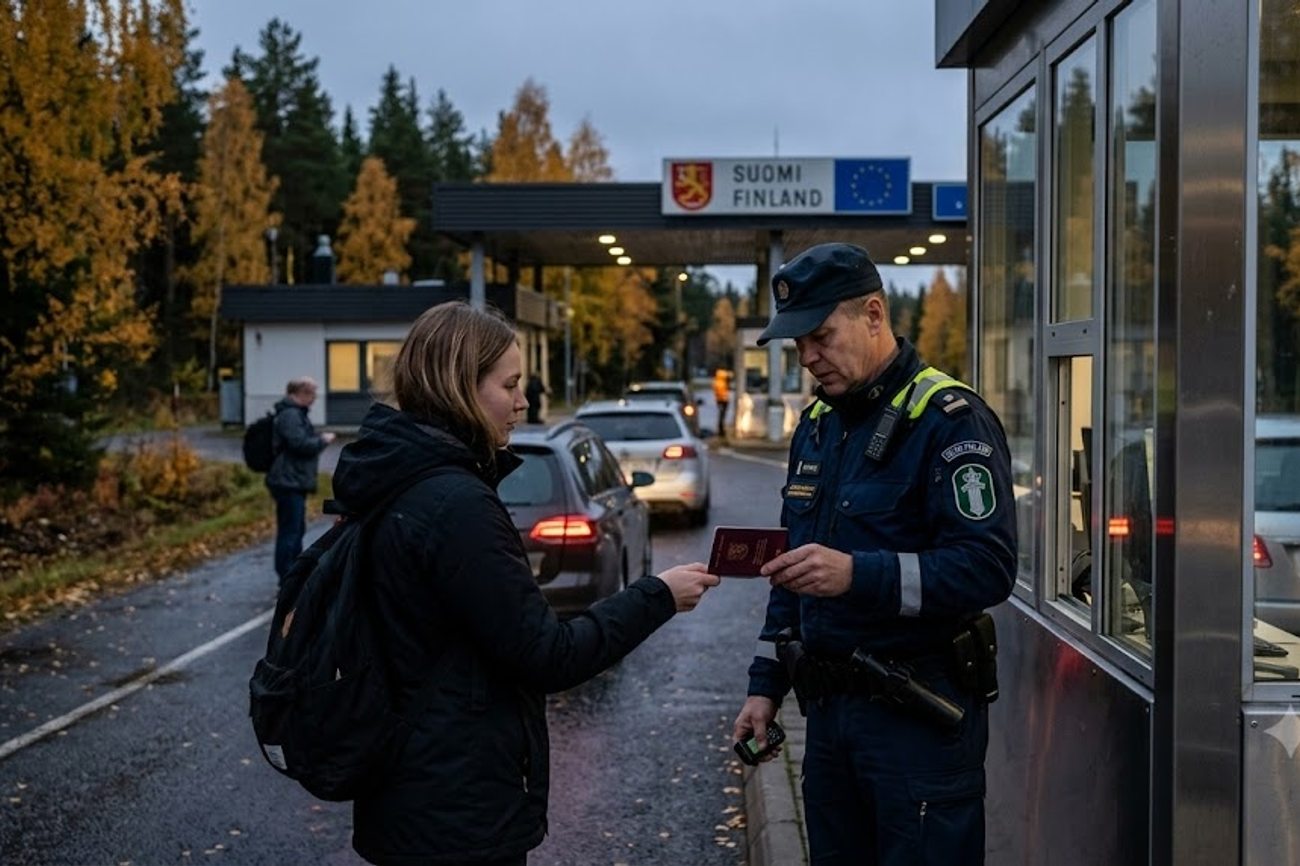
Image generated by AI
[Helsinki, October 2024] — Finland is maintaining a strict closure of its eastern land border with Russia, forcing a massive shift in regional transit patterns toward Helsinki-Vantaa International Airport and maritime corridors. The Finnish government continues to block passenger traffic at all eastern crossing points, a policy in place since December 2023, citing critical security threats and a surge in irregular migration.
This strategic lockdown has effectively transformed Helsinki into the primary gateway for all international visitors entering the Nordic and Baltic regions via Finland. As land routes remain severed, the Finnish Border Guard and aviation authorities are seeing increased pressure on air and sea infrastructure to handle the redirected flow of global travelers.
Border Security and the Russian Closure
The decision to seal the eastern frontier is not a temporary glitch but a sustained security posture. Since December 2023, the Finnish government has issued repeated extensions to these closures. The primary drivers are the volatile security situation on the border and the use of crossing points for irregular migration maneuvers.
Because no regular passenger traffic is permitted through these land checkpoints, the traditional overland routes between Russia and the European Union via Finland are non-existent. This has created a vacuum in regional mobility, pushing tourism and business travel toward the coast and the skies.
Consequently, Helsinki-Vantaa Airport has evolved from a standard national hub into a critical transit artery. It now serves as the primary entry point for those accessing not only the Finnish capital but also domestic destinations such as Rovaniemi, Tampere, Turku, and Kuopio. Furthermore, the airport acts as a vital bridge for passengers transitioning between Asian markets and the broader European continent.
Regional Transit and Market Impact
The closure of the eastern border has fundamentally altered how travelers navigate Northern Europe. The following markets and routes are seeing the most significant shifts:
- Aviation Hubs: Helsinki-Vantaa Airport is seeing increased volume as the sole primary international aviation gateway for the region.
- Maritime Corridors: Ferry routes between Helsinki and Tallinn have become essential lifelines for those combining Finnish and Estonian itineraries.
- Baltic Connectivity: Air links from Helsinki to Riga and Vilnius are seeing higher utilization as travelers bypass land-based eastern routes.
- Domestic Transfers: Increased reliance on internal flights from Helsinki to the Lapland region, particularly as the autumn season transitions into the winter tourism peak.
Practical Traveler Advisory and Strategic Insights
For the average passenger, the "document-focused" travel environment in Finland means that the era of casual transit is over. Even within the Schengen Area, where internal border controls are typically absent, travelers cannot assume a "passport-free" experience.
The Passenger Impact Breakdown:
- Mandatory Documentation: You must carry a valid passport and, if applicable, a Schengen visa or residence permit at all times. Do not leave these in hotel safes when crossing between Nordic or Baltic states.
- The Single-Entry Trap: Travelers on single-entry Schengen visas face a high risk of being denied re-entry if their itinerary includes a non-Schengen stop. If you fly into Helsinki, visit Estonia, and then exit the Schengen zone to visit a non-member country, your single-entry visa is void. You cannot return to Finland or any other Schengen state without a new visa.
- Heightened Scrutiny: Border officials are placing a premium on supporting evidence. This means you should have digital or physical copies of hotel confirmations, onward flight tickets, and a clear itinerary. Discrepancies between your visa application and your actual travel dates can lead to delays or questioning.
- Transit Bottlenecks: With the eastern border closed, expect higher passenger volumes at Helsinki-Vantaa and the ferry terminals. Plan for longer processing times during immigration and customs.
The Autumn Transition and Arctic Outlook
As the region enters the autumn season, travel patterns are shifting toward the north. Helsinki continues to draw visitors focused on architecture and design, but there is a marked increase in transit toward Lapland. Travelers are arriving in Helsinki specifically to connect to the Arctic north for Northern Lights experiences and seasonal activities.
Simultaneously, the "Baltic Triangle"—comprising Tallinn, Riga, and Vilnius—is seeing a rise in multi-city itineraries. Travelers are increasingly using Helsinki as the launchpad, utilizing ferries to Tallinn and short-haul flights to the other Baltic capitals. This integrated network is now the only viable way for international tourists to experience the region given the land-border restrictions.
The current environment is one of high vigilance. The European Union Aviation Safety Agency (EASA) and national regulators are operating in a climate where passenger identification and border security are the top priorities. For the traveler, this translates to a more rigid, bureaucratic experience where accuracy in documentation is the only way to ensure a seamless journey.
FAQ: Finland and Baltic Travel 2024
Can I still enter Finland by land from Russia? No. All eastern land border crossing points have been closed to passenger traffic since December 2023. You must enter Finland via air (Helsinki-Vantaa) or maritime routes.
Do I need my passport when traveling from Helsinki to Tallinn by ferry? Yes. While Finland and Estonia are both in the Schengen Area, temporary internal controls can be implemented. You must carry a valid passport or national ID to prove your identity and citizenship.
What happens if I have a single-entry visa and visit a non-Schengen country? Once you exit the Schengen Area, your single-entry visa is considered used. Even if the visa has not expired, you will need a new visa to re-enter Finland or any other Schengen member state.
What supporting documents should I carry for Finnish border checks? Carry printed or digital copies of your hotel bookings, return flight tickets, and a detailed travel itinerary. Ensure these documents match the information provided in your original visa application.
Travelers are advised to verify current border status via official government channels before departure.
Related Travel Guides
- Florida and New York Eye Tourism Boost as US Sets Sights on 100 Million International Visitors by 2030
- Global Sustainable Tourism Council CEO Randy Durband Urges Industry Shift from Destination Promotion to Supply Chain Management and Corporate Certification
- Vietnam Unveils New Tourism Mega-Project with Five-Star Hotel, Golf Course and Eco-Resort
Disclaimer
This article is for informational and educational purposes only. It does not constitute legal, financial, or professional advice. While we strive to provide accurate and up-to-date information, travel policies, regulations, and conditions change rapidly. Always verify information with official sources before making travel decisions. Nomad Lawyer makes no representations about the accuracy, reliability, completeness, or suitability of the information provided. Readers should consult qualified professionals for advice specific to their circumstances. The views expressed in this article are those of the author and do not necessarily reflect the views of Nomad Lawyer.
Naina Thakur
Contributor & Travel Specialist
Travel enthusiast and legal writer covering visa regulations, responsible tourism, and cultural journeys across global destinations.
Learn more about our team →