
Costa Rica’s Digital Detox Tourism Boom Shows Why Travellers Are Searching for Silence and Slow Living
Costa Rica’s Digital Detox Tourism Boom Shows Why Travellers Are Searching for Silence and Slow Living

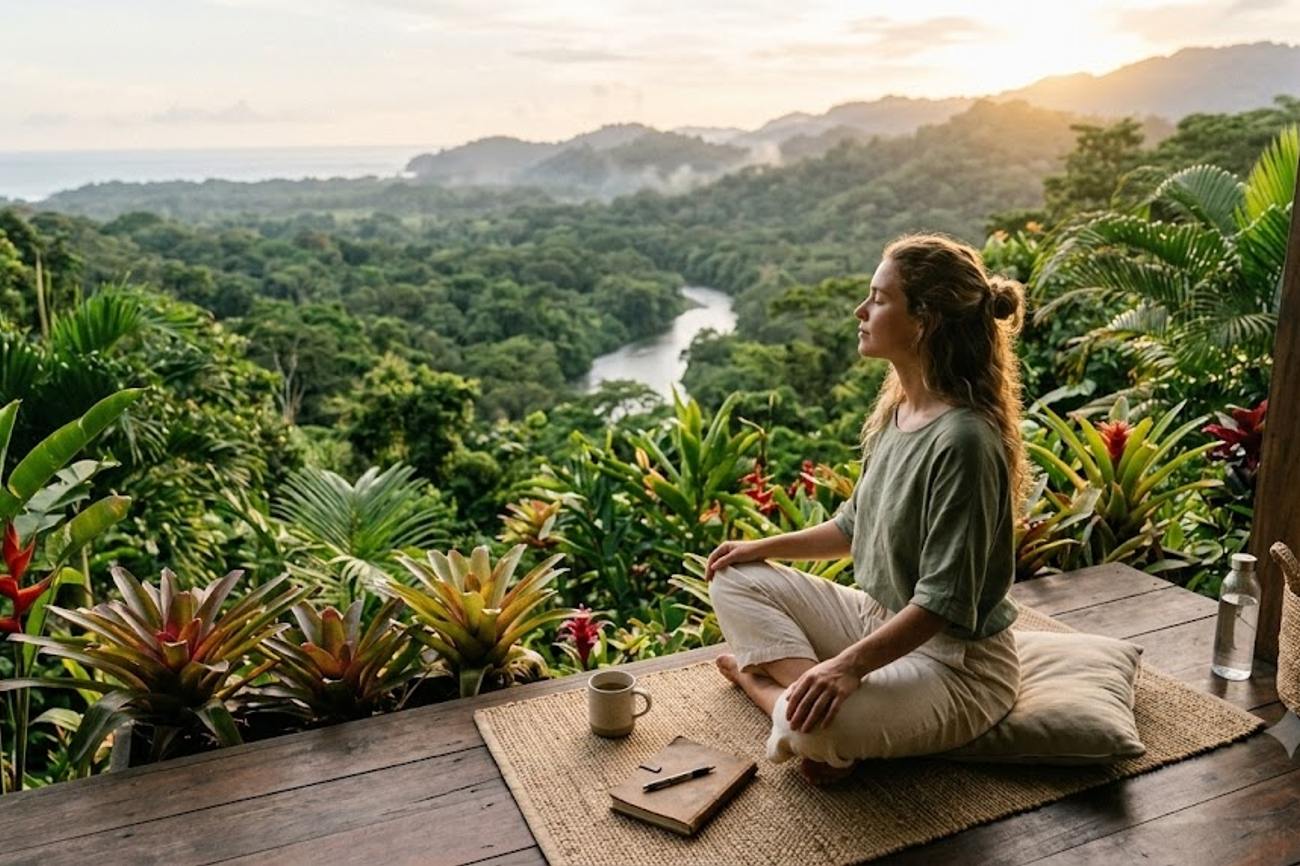
Image generated by AI
[San José, October 2023] — Costa Rica is aggressively pivoting its national tourism strategy to capture the surging global demand for "digital detox" and wellness travel, leveraging its volcanic landscapes and cloud forests to attract visitors seeking total disconnection from technology.
The Costa Rican Tourism Board (ICT) is now positioning the country not merely as a biodiversity hotspot, but as a strategic hub for mindfulness and mental renewal. This shift comes as international travelers increasingly abandon traditional sightseeing and shopping in favor of "slow travel" experiences designed to combat the pressures of remote work and constant digital connectivity.
The Shift Toward Digital Detox
The immediate catalyst for this strategic pivot is a fundamental change in consumer behavior. Travelers are reporting higher levels of stress and digital fatigue, leading to a preference for environments that mandate—or strongly encourage—the abandonment of mobile devices. Costa Rica is capitalizing on its "Pura Vida" philosophy, transforming a cultural mindset of relaxation into a formal economic engine.
The movement is characterized by a transition from "checklist tourism"—where visitors rush between famous landmarks—to "immersion tourism." This new model prioritizes extended stays in rural destinations, nature-based accommodations, and wellness programs that focus on physical and mental realignment.
Markets and Regions Impacted
The expansion of wellness tourism is redistributing traveler traffic away from traditional high-density hubs and into specialized ecological zones. The following regions have emerged as primary centers for this movement:
| Region | Primary Detox Offering | Key Activities |
|---|---|---|
| Monteverde | Cloud Forest Immersion | Forest bathing, mindful hiking, silence retreats |
| Nosara | Coastal Wellness | Yoga intensives, mindfulness workshops, beach meditation |
| Arenal | Volcanic Therapy | Thermal mineral baths, volcanic relaxation, nature walks |
| Nicoya Peninsula | Longevity & Slow Living | Sustainable living, wellness retreats, organic nutrition |
| Orosi Valley & Turrialba | Rural Connection | Agritourism, cultural immersion, "slow food" experiences |
This redistribution of tourism is providing a critical economic lifeline to smaller communities, creating year-round income streams for local guides, boutique lodge operators, and organic farmers, reducing the reliance on seasonal beach crowds.
What This Means for Travelers
For the modern traveler, this shift translates into a different set of expectations and logistics when booking a trip to Costa Rica. The "wellness" label is no longer just about a hotel spa; it is an integrated experience.
1. Accommodation Changes: Travelers will find a rise in "nature-focused" lodging. This often means properties with limited Wi-Fi or designated "tech-free zones" to facilitate the digital detox process. Expect more offerings of long-stay packages designed for those seeking deep recovery rather than a weekend getaway.
2. Itinerary Pacing: The traditional fast-paced tour is being replaced by "slow exploration." Travelers should expect itineraries with fewer stops and more time spent in single locations, focusing on activities like Shinrin-yoku (forest bathing) and meditation.
3. Dietary Shifts: There is a heavy emphasis on "slow food" and organic, farm-to-table dining. Visitors can expect menus centered on local, sustainable produce sourced from the surrounding rural communities.
4. Logistics: While Juan Santamaría International Airport (SJO) remains the primary gateway for arrivals from North America and Europe, the "last mile" of the journey is shifting toward remote areas like the Nicoya Peninsula and the Orosi Valley, potentially requiring more specialized local transport.
The Sustainable Economic Roadmap
The ICT is integrating this wellness trend into a broader framework of sustainable development. By promoting low-impact, high-value tourism, Costa Rica aims to protect its biodiversity while increasing the average spend per visitor. The strategy relies on the synergy between the country's natural assets—thermal waters, dense rainforests, and coastal serenity—and the global wellness market.
Industry stakeholders, including hotels and tour operators, are currently redesigning their service models. This includes the creation of specialized wellness packages and the training of guides in mindfulness and forest therapy. For the aviation sector, this trend suggests a shift toward higher-yield, longer-stay passengers who are willing to travel long distances for specialized mental health experiences.
As the international tourism recovery continues, the ICT reports that these meaningful, health-focused experiences are becoming a primary driver of growth, ensuring that tourism remains a cornerstone of the national economy while adhering to strict environmental conservation standards.
FAQ: Costa Rica Wellness Travel 2023
What is a "digital detox" vacation in Costa Rica? It is a travel experience specifically designed to reduce stress by limiting or eliminating the use of electronic devices. Visitors engage in nature-based activities, such as forest bathing and meditation, to reconnect with themselves and the environment.
Which regions are best for mindfulness and yoga? Nosara is globally recognized for its yoga and wellness retreats. For those seeking quietude and forest immersion, the Monteverde Cloud Forest and the thermal regions around the Arenal Volcano are the primary destinations.
Is "forest bathing" a medical treatment? No. While forest therapy (Shinrin-yoku) is promoted for relaxation and mental wellbeing, it is a wellness activity and not a replacement for professional medical or psychological treatment.
How does this affect my travel planning? Travelers should look for "slow travel" itineraries and boutique eco-lodges. Be prepared for accommodations that may have limited connectivity and a focus on organic, locally sourced dining and longer stays in rural areas.
Trading the screen for the canopy as the new gold standard of luxury.
#CostaRicaTourism #DigitalDetox2023 #SJOAirport #VisitCostaRica #WellnessTravel #MonteverdeCloudForest
Related Travel Guides
- Indonesia Launches Wonderful Indonesia Gastronomy 2026 Festival Across Solo, Yogyakarta, and 14 Major Cities to Showcase Culinary Heritage
- US Coastal Resort Cities Cross $2 Billion Tourism Threshold as Santa Monica, Pensacola, and Long Beach Expand Year-Round Entertainment and Events in 2026
- Peru Leads Global Cultural Tourism Recovery as Cusco Sees Unprecedented Inbound Travel Surge from US, Europe, and South America in 2026
Disclaimer
This article is for informational and educational purposes only. It does not constitute legal, financial, or professional advice. While we strive to provide accurate and up-to-date information, travel policies, regulations, and conditions change rapidly. Always verify information with official sources before making travel decisions. Nomad Lawyer makes no representations about the accuracy, reliability, completeness, or suitability of the information provided. Readers should consult qualified professionals for advice specific to their circumstances. The views expressed in this article are those of the author and do not necessarily reflect the views of Nomad Lawyer.
Preeti Gunjan
Contributor & Community Manager
A passionate traveller and community builder. Preeti helps grow the Nomad Lawyer community, fostering engagement and bringing the reader experience to life.
Learn more about our team →