
US Coastal Resort Cities Cross $2 Billion Tourism Threshold as Santa Monica, Pensacola, and Long Beach Expand Year-Round Entertainment and Events in 2026
US coastal resort cities cross $2B in economic impact as Santa Monica, Pensacola, and Long Beach expand year-round sports, cruise, and event tourism.

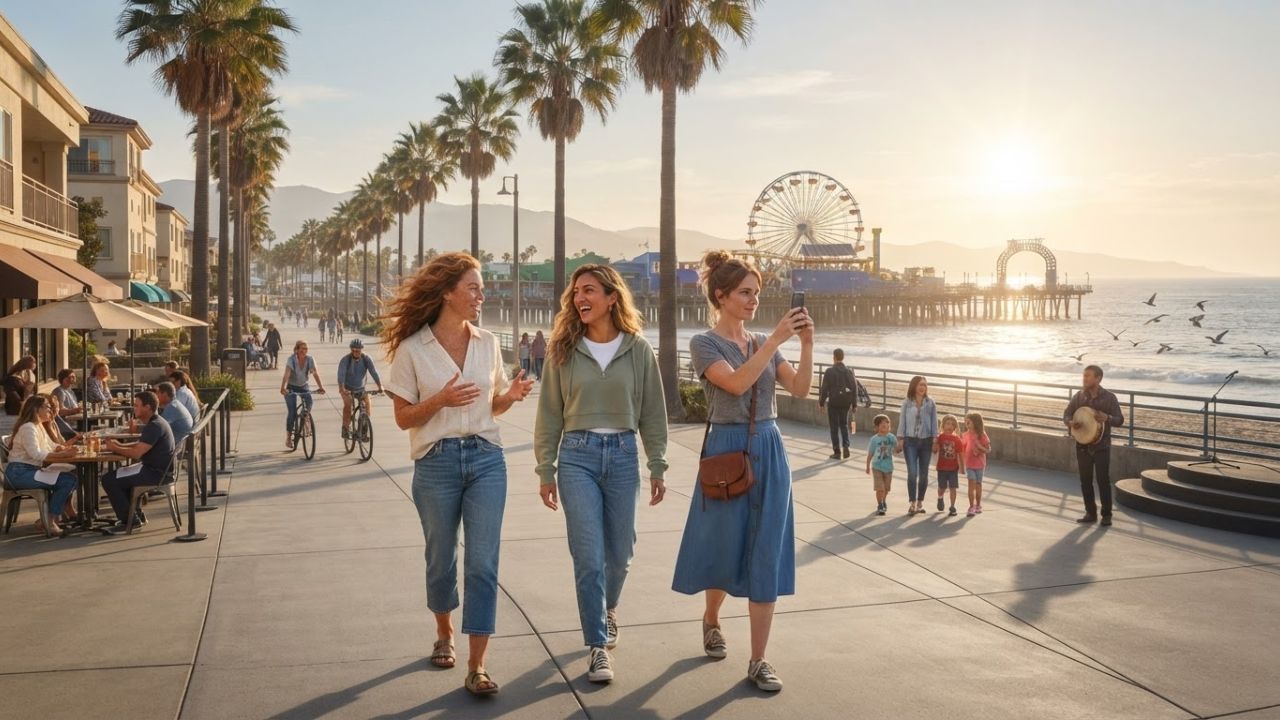
Image generated by AI
Coastal resort destinations across the United States have crossed the $2 billion annual tourism expenditure threshold in 2026, as cities like Santa Monica, Pensacola, Long Beach, and Galveston pivot from seasonal summer beach travel toward year-round sports, convention, and entertainment products. Official forecasts from the National Travel and Tourism Office (NTTO) project international visitation to the US to grow from 68.3 million visitors in 2025 to 85.2 million by 2030, accelerating municipal investments in coastal infrastructure.
To capture higher-spending travelers and extend average stays beyond traditional summer holiday windows, coastal municipalities are implementing targeted economic development funds, sports complex developments, and expanded entertainment zones. By combining oceanfront attractions with major events and eco-tourism, cities are reducing reliance on summer weather while expanding year-round hospitality jobs.
Strategic Shift Across US Coastal Destinations
The transition toward year-round coastal destination management reflects distinct economic strategies across key US coastal hubs:
US Coastal Resort Destination Strategy Matrix
├── Santa Monica, CA ──► $3M Revitalisation Fund, Entertainment Zone Expansion & Rose Parade 2027
├── Pensacola, FL    ──► Direct Visitor Spend up 4.3% ($430.3M Q2), Marketing Influenced 26% of Trips
├── Long Beach, CA   ──► $2B Impact, 154K Convention Nights, 700K Cruise Passengers & 2028 Olympics
└── Ocean City, MD   ──► 193-Acre Sports Complex Project for Shoulder-Season Tournament Travel
- Santa Monica, California: Approved a comprehensive 2026 economic-revitalisation package featuring a $3 million economic development fund, restaurant conversion incentives, and an expanded Entertainment Zone linking the Third Street Promenade, Santa Monica Pier, Main Street, and Montana Avenue ahead of participation in the 2027 Rose Parade.
- Pensacola, Florida: Destination data for April through June (Q2) 2026 recorded 823,500 visitors (+7.7% YoY), generating >$430.3 million in direct visitor spending (+4.3% YoY). Tourist Development Tax collections rose 7.6%, while marketing campaigns directly influenced 26% of total visitors according to Visit Pensacola.
- Long Beach, California: Generates nearly $2 billion in annual economic impact, with its Convention Center attracting >1 million attendees (154,000+ room nights in FY2024–25). Carnival Cruise Line processed >700,000 passengers as the city prepares to host venue events for the 2028 Olympic and Paralympic Games.
- Galveston, Texas: Welcomes >7 million annual visitors across >5,000 hotel rooms, with FY2025 group business bookings expected to generate >$62 million in direct spend (+17% YoY future group bookings).
US Coastal Resort Destinations & Strategic Metrics
Major US coastal municipalities are pursuing distinct growth targets to extend stay lengths and elevate per-visitor spend.
| Coastal City / Destination | Primary Economic Metric | Key Strategic Growth Initiative | Traveler & Logistics Impact |
|---|---|---|---|
| Santa Monica, CA | $3M Revitalisation Fund | Downtown Entertainment Zone & Rose Parade 2027 | Expands retail-to-dining conversions along Pier & Promenade |
| Pensacola, FL | >$430.3M direct spend (Q2) | 823,500 Q2 visitors (+7.7% YoY); 26% marketing-driven | First-time visitor growth (+4%) & elevated bed tax revenue |
| Long Beach, CA | Nearly $2B annual impact | 154K convention nights; 700K cruise passengers; 2028 Olympics | Major transit upgrades for LA2028 Olympic event venues |
| Ocean City, MD | 193-Acre Sports Complex | Discover Ocean City, MD group sales & tournament travel | Fills hotel rooms during spring, autumn, and winter shoulder seasons |
| Galveston, TX | >$62M group spend booked | >7M annual visitors; 5,000+ hotel rooms & cruise port growth | Drives pre/post-cruise multi-day hotel extensions |
| Virginia Beach, VA | 10,000+ daily event visitors | Resort Strategic Growth Area & 2026–2029 Tourism Plan | Year-round oceanfront entertainment and trail infrastructure |
| Miami Beach, FL | High-value per-visitor spend | Focus on arts, wellness, dining, Ocean Drive & North Beach | Reallocates focus from raw visitor volume to premium stays |
| Myrtle Beach, SC | Shoulder-season expansion | Diversification into sports, eco-tourism & cultural travel | Mitigates summer reliance through youth sports tournaments |
| San Diego, CA | 3.2% room demand increase | De Anza Natural Mission Bay project & Coastal Resilience 2100 | Expands eco-tourism, camping/RV parks & wetland protection |
| Charleston, SC | Responsible Tourism Plan | Responsible Tourism Initiative & Peninsula Plan management | Controls visitor density while protecting historic neighborhood assets |
Santa Monica Travel & Tourism Leadership Continuity
To maintain strategic direction during this growth phase, Santa Monica Travel & Tourism (SMTT) confirmed the reappointment of three incumbent members to its Board of Directors during the Santa Monica City Council meeting on September 8, 2026:
- Tim Defuria: Reappointed as Board Member.
- Darlene Evans: Reappointed as Board Member.
- Karen Ginsberg: Reappointed as Board Secretary.
Led by SMTT President and CEO Misti Kerns and Board Chairman Charlie Lopez-Quintana, the leadership team is focusing marketing resources on expanding international brand visibility and connecting downtown retail corridors with oceanfront dining experiences.
Santa Monica Governance & Economic Flow
├── SMTT Leadership (Kerns & Lopez-Quintana) ──► Reappointed Board Members (Sept 8, 2026)
├── $3 Million Economic Development Fund     ──► Restaurant Incentives & Downtown Expansion
└── Coastal Entertainment Zone               ──► Links Promenade, Pier, Main St & Montana Ave
Traveler Logistics Guide: Navigating US Coastal Hubs, Transit Lines, and Off-Peak Stays
For international and domestic travelers visiting major US coastal destinations in 2026, understanding regional transit links and off-peak scheduling ensures seamless travel.
1. Navigating Southern California Coastal Transit (Santa Monica & Long Beach)
- Metro E Line (Santa Monica): Travelers arriving in Los Angeles can avoid Pacific Coast Highway (PCH) traffic by taking the LA Metro E Line light rail directly to Downtown Santa Monica Station, located just 3 blocks from the Santa Monica Pier.
- Big Blue Bus Network: Utilize Santa Monica's zero-emission Big Blue Bus system for convenient, low-cost transit between Main Street, Montana Avenue, and Venice Beach.
- A Line Light Rail (Long Beach): Connect between Downtown Los Angeles and Long Beach via the Metro A Line, linking directly to the Long Beach Convention and Entertainment Center.
2. Accessing Pensacola and Gulf Coast Destinations
- Pensacola International Airport (PNS): Travelers visiting Pensacola Beach can fly into PNS airport (located 15 minutes from the waterfront). Utilize airport shuttles or rideshares along Route 98 to access beach hotel corridors.
- Shoulder Season Savings: Book Pensacola or Ocean City trips during spring (April–May) or autumn (September–October) shoulder seasons to secure 20% to 35% lower hotel rates while enjoying warm weather and active sports events.
3. Galveston Cruise-and-Stay Logistics
- Houston Airport Transfers: Travelers cruising out of Galveston should fly into Houston Hobby Airport (HOU - 42 miles) or George Bush Intercontinental (IAH - 70 miles) and reserve pre-cruise shuttle passes 30 days in advance.
- Historic Strand District Hotels: Reserve pre-cruise lodging in Galveston's historic Strand District to enjoy walkable access to dining, shopping, and the cruise ship terminal.
Infrastructure Impact and Destination Management Assessment
Transitioning to multi-faceted, year-round coastal travel models creates major long-term structural benefits for coastal economies.
- Mitigating Seasonal Job Losses: Extending visitor activity into autumn and winter supports year-round employment for hospitality workers, reducing seasonal layoffs.
- Funding Coastal Resilience Programs: Increased bed taxes and municipal tourism funds support long-term environmental protection projects, such as San Diego's Coastal Resilience 2100 plan and wetland restoration.
- Optimizing Transport Infrastructure: Diversifying into sports and conventions utilizes hotel capacity during midweek periods, reducing weekend traffic congestion.
Frequently Asked Questions: US Coastal Resort Cities 2026
What is the projected international visitation to the US by 2030?
The National Travel and Tourism Office (NTTO) forecasts international visitation to the United States to increase from 68.3 million in 2025 to 85.2 million by 2030.
What is included in Santa Monica's 2026 economic revitalisation package?
Santa Monica's 2026 package includes a $3 million economic development fund, restaurant conversion incentives, and an expanded Entertainment Zone linking the Promenade, Pier, Main Street, and Montana Avenue.
How did Pensacola perform in direct tourism spending in Q2 2026?
Pensacola recorded 823,500 visitors between April and June 2026 (+7.7% YoY), generating over $430.3 million in direct visitor spending (+4.3% YoY) and a 7.6% increase in Tourist Development Tax collections.
How are cities like Ocean City and Myrtle Beach reducing beach dependence?
Ocean City and Myrtle Beach are investing in multi-acre sports complexes, convention sales initiatives, and cultural eco-tourism to attract youth sports tournaments and group travel during shoulder seasons.
Related Travel Guides
Pensacola Beach Florida Tourism Investment Travel Guide 2026
Las Vegas LVCVA Australia Tourism Campaign Qantas Flights 2026
The 10 Best Pacific Coast Highway Road Trips in California, According To Reddit
Disclaimer
This article is for informational and educational purposes only. It does not constitute legal, financial, or professional advice. While we strive to provide accurate and up-to-date information, travel policies, regulations, and conditions change rapidly. Always verify information with official sources before making travel decisions. Nomad Lawyer makes no representations about the accuracy, reliability, completeness, or suitability of the information provided. Readers should consult qualified professionals for advice specific to their circumstances. The views expressed in this article are those of the author and do not necessarily reflect the views of Nomad Lawyer.
Raushan Kumar
Founder & Lead Developer
Full-stack developer with 11+ years of experience and a passionate traveller. Raushan built Nomad Lawyer from the ground up with a vision to create the best travel and law experience on the web.
Learn more about our team →