
Peru Leads Global Cultural Tourism Recovery as Cusco Sees Unprecedented Inbound Travel Surge from US, Europe, and South America in 2026
Cusco leads global cultural tourism growth in 2026 as high-spending US travelers, European trekkers, and regional South American visitors drive Andean travel.

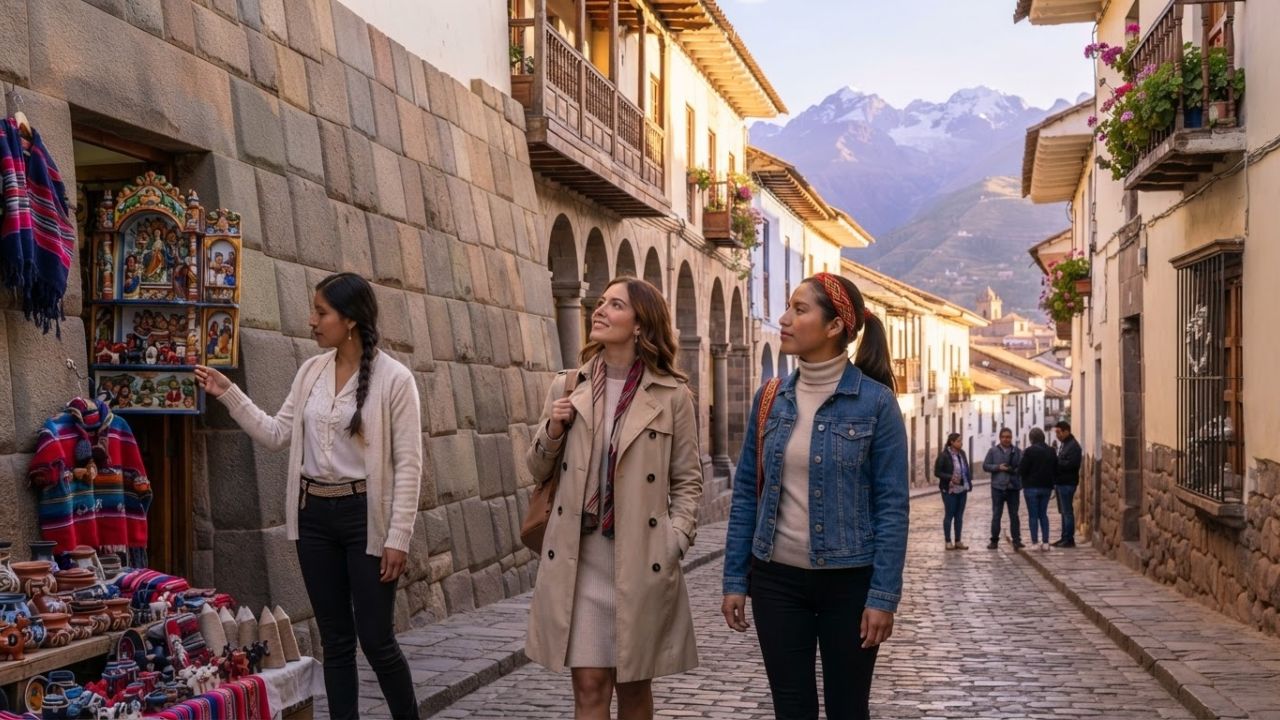
Image generated by AI
Peru has established a historic benchmark for global heritage destinations in 2026, as the Andean region surrounding Cusco leads post-pandemic cultural travel growth driven by strong inbound demand from the United States, Chile, Europe, and domestic travelers. Official visitor metrics compiled by the Ministry of Foreign Trade and Tourism (MINCETUR) reveal record booking rates across luxury boutique hotels, high-altitude trekking circuits, and scenic rail routes throughout the Sacred Valley.
The sustained expansion reflects a dual economic model: high-spending long-haul travelers from North America and Europe elevate average daily room rates, while regional arrivals from South American neighbors buffer local hospitality businesses against seasonal fluctuations. Combined with targeted infrastructure upgrades and government heritage campaigns, Cusco is setting a new precedent for resilient, high-yield cultural tourism.
Inbound Market Dynamics Driving Andean Tourism
Different international feeder markets fulfill distinct roles within Cusco's expanding travel ecosystem. Travelers from the United States represent the primary engine for high-spending long-haul tourism, consistently favoring luxury accommodations, curated gastronomy, and premium train services like the Hiram Bingham and Vistadome lines.
Cusco Tourism Market Feeder Hierarchy (2026)
├── United States Market    ──► High-Spending Long-Haul (Luxury Boutique Stays & Luxury Rail)
├── European Market (FR/DE/ES/UK) ─► Multi-Week Experiential (High-Altitude Treks & Rural Tourism)
├── Regional South America  ──► Short-Haul Stability (Chile, Brazil & Ecuador Flight Connectivity)
└── Domestic Peru Market    ──► Base Economic Support (Long Weekends & Cultural Holidays)
Conversely, European holidaymakers—originating from France, Germany, Spain, and the United Kingdom—drive multi-week experiential travel. This demographic favors demanding high-altitude trekking routes, such as the Inca Trail and Salkantay Circuit, while supporting community-based tourism projects in remote Andean villages. Meanwhile, regional travelers from Chile, Brazil, and Ecuador utilize strong regional flight connectivity into Lima and Cusco to take short-term cultural getaways, maintaining steady year-round hotel occupancy.
Cusco Feeder Market & Sector Specifications
Evaluating Peru's tourism revival highlights distinct traveler demographics and their specific logistics preferences.
| Source Country / Market | Primary Growth Factor | Key Tourism Focus | Sector Impact & Logistics |
|---|---|---|---|
| Peru (Domestic) | Government cultural campaigns & holiday weekends | Regional gastronomy, short-haul excursions, cultural heritage | Essential baseline support for local dining, transit & family hotels |
| United States | High-spending, long-haul luxury demand | Luxury boutique hotels, Hiram Bingham rail, historical tours | Elevates daily room rates (ADR) and drives premium rail bookings |
| Chile & South America | Geographic proximity & expanded flight routes | Short-term cultural getaways, cross-border city breaks | Buffers local businesses against long-haul seasonal dips |
| European Nations | Preference for multi-week experiential travel | High-altitude trekking (Inca Trail, Salkantay), rural homestays | Ensures year-round visitor distribution across remote villages |
| Emerging Markets (Asia) | Outbound luxury travel & cultural photography | Iconic heritage sites, specialized photography tours | High-yield spending focused on bucket-list archaeological circuits |
Regional Diversification Across Rainbow Mountain and the Sacred Valley
To prevent overcrowding within Cusco's historic urban center and traditional ruins, regional tourism authorities and operators promoted by PROMPERÚ are expanding visitor distribution across secondary Andean attractions:
- Rainbow Mountain (Vinicunca): High-altitude day excursions attract nature travelers, distributing visitor foot-traffic across the Ausangate region.
- Humantay Lake: Alpine glacier trekking routes provide alternative adventure day-trips for international hikers.
- Sacred Valley Communities: Villages such as Ollantaytambo, Urubamba, and Pisac encourage multi-day stays, extending average visitor dwell times beyond traditional day trips.
Regional Visitor Density Dispersal Model
├── Historic Cusco Center  ──► Heritage Architecture, Culinary & Museum Circuits
├── Sacred Valley Corridor ──► Ollantaytambo, Urubamba & Pisac Multi-Day Stays
└── High-Altitude Wonders  ──► Rainbow Mountain (Vinicunca) & Humantay Lake Excursions
Traveler Logistics Guide: Navigating Cusco, High-Altitude Trekking, and Rail Transit
For international travelers planning a journey to Cusco and the Sacred Valley in 2026, managing high-altitude acclimatization, permit reservations, and rail transit is critical.
1. Altitude Acclimatization and Health Logistics
- Acclimatization Schedule: Cusco sits at an elevation of 3,400 meters (11,152 feet) above sea level. Travelers arriving from sea-level gateways (such as Jorge Chávez International Airport - LIM in Lima) should plan at least 48 to 72 hours of low-impact activity in Cusco or descend immediately to lower elevations in the Sacred Valley (Urubamba: 2,870m) before undertaking strenuous high-altitude trekking.
- Hydration and Medication: Hydrate with local coca tea, avoid heavy meals on day one, and consult a physician regarding altitude sickness medication (such as Acetazolamide) prior to departure. Official health advisories cross-referenced via GOV.UK recommend carrying comprehensive travel health insurance covering emergency high-altitude evacuation.
2. High-Altitude Trekking Permits and Circuit Booking
- Inca Trail Permit Lead Times: Official permits for the Classic 4-Day Inca Trail are strictly capped by government regulations. Secure permits 5 to 7 months in advance through licensed tour agencies.
- Alternative Trekking Routes: If Inca Trail permits are exhausted, opt for alternative trekking circuits such as the Salkantay Trek (5 Days) or Lares Trek (3-4 Days), which offer dramatic alpine glacier scenery and authentic Andean community encounters without daily quota restrictions.
3. Rail Reservations and Tourist Circuit Passes
- Luxury Rail Booking (PeruRail & Inca Rail): Reserve train tickets between Poroy/Ollantaytambo and Aguas Calientes (Machu Picchu Pueblo) well in advance. Premium services such as the Hiram Bingham A Belmond Train or Inca Rail 360° include luggage restrictions (typically 5 kg per passenger), requiring long-term luggage storage at Sacred Valley hotels.
- Boleto Turístico del Cusco (BTG): Purchase the full Boleto Turístico (Cusco Tourist Ticket) upon arrival, which grants 10-day admission to 16 major archaeological sites and museums, including Sacsayhuamán, Pisac, and Ollantaytambo.
Infrastructure Impact and Destination Management Assessment
Cusco's sustained tourism boom drives strategic public and private infrastructure investment across the Southern Peruvian Andes.
- Airport Infrastructure Upgrades: Airport modernizations at Alejandro Velasco Astete International Airport (CUZ) and transit hubs in Lima enhance baggage clearance speeds and increase direct regional flight capacity from South American capitals.
- Community Economic Empowerment: Expanding rural tourism into Sacred Valley villages ensures micro-enterprises, weavers' cooperatives, and local muleteers receive direct income from international trekking groups.
- Sustainable Site Conservation: Implementing timed entry slots and strictly monitored trail quotas protects fragile Incan stone architecture from physical erosion while preserving site authenticity.
Frequently Asked Questions: Cusco Tourism & Travel 2026
Why is Cusco experiencing a major tourism surge in 2026?
Cusco's surge is driven by strong high-spending demand from the United States, multi-week experiential travel from European trekkers, steady regional arrivals from Chile and Brazil, and expanded domestic heritage campaigns.
How far in advance should I book Inca Trail permits?
Due to strict daily government entry caps, Classic 4-Day Inca Trail permits should be booked 5 to 7 months in advance through a licensed Peruvian tour operator.
What is the recommended altitude acclimatization period for Cusco?
Travelers should spend 48 to 72 hours acclimatizing in Cusco or lower-altitude Sacred Valley towns (such as Urubamba or Ollantaytambo) before embarking on high-altitude treks like Rainbow Mountain or the Salkantay Circuit.
What is the Boleto Turístico del Cusco?
The Boleto Turístico del Cusco is an official visitor pass that grants entry to 16 key archaeological sites and cultural attractions across Cusco and the Sacred Valley over a 10-day validity window.
Related Travel Guides
Machu Picchu 2026 Visitor Regulations, Entry Caps, and Circuit Rules
Peru Travel Safety US Advisory for Machu Picchu and Cusco
The 10 Best High-Altitude Treks in Peru, According To Reddit
Disclaimer
This article is for informational and educational purposes only. It does not constitute legal, financial, or professional advice. While we strive to provide accurate and up-to-date information, travel policies, regulations, and conditions change rapidly. Always verify information with official sources before making travel decisions. Nomad Lawyer makes no representations about the accuracy, reliability, completeness, or suitability of the information provided. Readers should consult qualified professionals for advice specific to their circumstances. The views expressed in this article are those of the author and do not necessarily reflect the views of Nomad Lawyer.
Raushan Kumar
Founder & Lead Developer
Full-stack developer with 11+ years of experience and a passionate traveller. Raushan built Nomad Lawyer from the ground up with a vision to create the best travel and law experience on the web.
Learn more about our team →