SriLankan Airlines Airlifts Japanese Taiko Troupe to Colombo: Cultural Tour and Travel Guide 2026

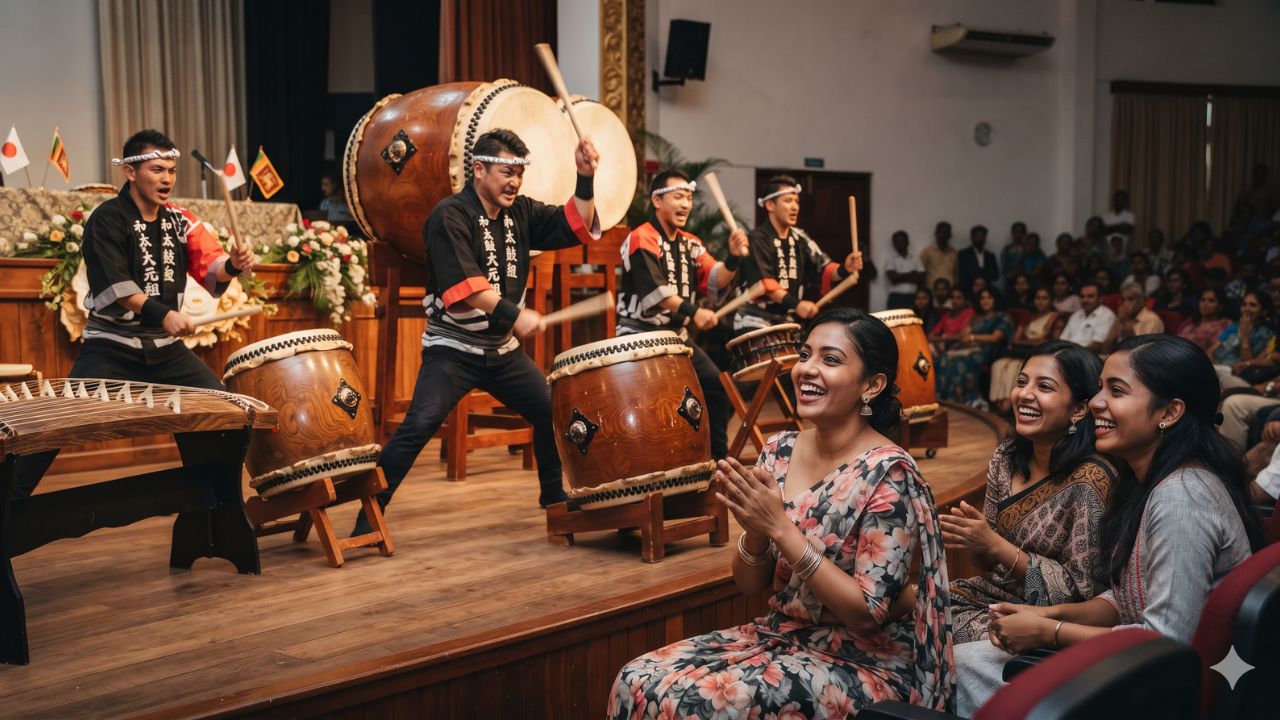
When five master drummers from Tokyo's historic Ota Ward boarded SriLankan Airlines flight UL455, their checked cargo held far more than standard baggage: a delicate 13-string wooden KOTO zither, heavy timber stands, and massive handcrafted Taiko barrel drums requiring specialized aviation handling. That trans-Asian airlift in October 2026 marked the arrival of celebrated musical ensemble Wadaiko Daigen-gumi in Colombo, initiating a rare cross-cultural exchange presented by the Embassy of Japan in Sri Lanka that connected the ancient drumming rituals of Japan with the percussive heritage of Sri Lanka across historic universities in Moratuwa and Peradeniya.
SriLankan Airlines Airlifts Wadaiko Daigen-gumi for Historic University Drumming Tour
Operating as the Official Airline Partner for the Japanese diplomatic mission, SriLankan Airlines transported the five professional performers from Tokyo Narita Airport (NRT) directly to Colombo Bandaranaike International Airport (CMB) aboard scheduled flight UL455. Unlike ordinary passenger operations, the logistical execution required precision handling for oversized instruments. Japanese Taiko drums—carved from single hollowed logs of aged Japanese zelkova (keyaki) wood and fitted with stretched cowhide—are sensitive to severe cabin temperature fluctuations, pressure shifts, and physical impact.
The successful transit supported public cultural appearances on consecutive days in October 2026. On 7 October, Wadaiko Daigen-gumi staged its opening performance before engineering and arts faculties at the University of Moratuwa, situated on the southern coastal edge of Colombo. On 8 October, the ensemble traveled up into the central highlands to deliver a second live performance at the University of Peradeniya near Kandy. The tour allowed thousands of Sri Lankan students, musicians, and international visitors to experience the thundering acoustics of Wadaiko and the delicate harmonics of the traditional KOTO without departing the island.
| Tour Component / Milestone | Confirmed Details & Logistics | Cultural Significance |
|---|---|---|
| Featured Musical Ensemble | Wadaiko Daigen-gumi (5 professional drummers) | Celebrated traditional Japanese percussion group originating from Ota Ward, Tokyo. |
| Official Airline Partner | SriLankan Airlines (Oneworld Alliance) | Trans-Asian flag carrier linking East Asia with South Asian cultural hubs. |
| Flight Sector & Code | Tokyo Narita (NRT) to Colombo (CMB) on Flight UL455 | Direct widebody scheduled passenger and cultural cargo link across the Indian Ocean. |
| Specialized Instruments Carried | Large Taiko drums, heavy timber stands, traditional KOTO | Oversized, fragile musical heirlooms requiring climate-controlled handling. |
| Inaugural University Concert | 7 October 2026 at University of Moratuwa | Public cultural performance hosted on the southern coastal perimeter of Colombo. |
| Central Highlands Concert | 8 October 2026 at University of Peradeniya | Historic performance staged near the sacred hill city of Kandy. |
| Presenting Organization | Embassy of Japan in Sri Lanka | Bilateral diplomatic and cultural exchange initiative promoting performing arts. |
The collaboration demonstrates how scheduled commercial air transport acts as a conduit for living heritage. Rather than limiting bilateral diplomacy to trade summits and economic agreements, the initiative brought living soundscapes directly to academic audiences, establishing a shared conversation between Japanese drumming disciplines and Sri Lanka’s ancient rhythmic drumming traditions.
| Tradition Parameter | Japanese Wadaiko Drumming | Sri Lankan Traditional Drumming (Geta Bera) |
|---|---|---|
| Primary Drum Types | Nagado-daiko, Shime-daiko, O-daiko | Geta Bera (Kandyan), Yak Bera (Low Country), Davula |
| Spiritual & Historical Roots | Ancient Shinto harvest rites and Buddhist ceremonies | Sacred Buddhist rituals, temple ceremonies, and healing dances |
| Primary Construction Materials | Hollowed Japanese zelkova (keyaki) and cowhide | Jackfruit (kos) or kohomba wood, cowhide and monkey skin |
| Performance Movement Style | Full-body athletic stances (kamae) with wood sticks | Intricate polyrhythmic hand striking paired with Kandyan dance |
| Iconic Festival Association | Summer Bon Odori festivals and temple ceremonies | Annual Esala Perahera procession in the streets of Kandy |
What Makes the Colombo to Peradeniya Cultural Corridor Experientially Unique
Traveling from Colombo’s sea-level shorelines up into the mountain amphitheater of Peradeniya leads travelers along one of the most culturally layered transit corridors in South Asia. Colombo is a sensory, multi-faith maritime capital framed by the Indian Ocean. In the historic bazaar of Pettah, narrow trading alleys echo with the calls of fruit merchants, wholesale spice traders, and the melodic chants from the red-and-white brick minarets of the Jami Ul-Alfar Mosque.
At dusk, local life converges upon Galle Face Green, a vast seaside promenade where the ocean breeze cuts the tropical heat. Here, families and travelers walk along the seawall as street food carts fry fresh isso wade—crispy spiced lentil cakes topped with whole wild prawns, fresh green chilies, and tangy lime juice. In central Colombo, the serene Gangaramaya Temple sits beside Beira Lake, where centuries-old stone statues of the Buddha rest beneath sacred Bodhi trees beside antique brass artifacts gifted by Buddhist kingdoms across Asia.
Rising 500 meters into the central massif, the historic town of Peradeniya borders the royal capital of Kandy, a UNESCO World Heritage Site revered as the resting place of the Sacred Tooth Relic of the Buddha (Sri Dalada Maligawa). The University of Peradeniya occupies a magnificent tropical campus set beside the sweeping bends of the Mahaweli River in the foothills of the Hantana range. Towering rain trees draped in climbing vines frame the university's famous open-air amphitheater, the Sarachchandra Wala, where traditional theater and music are performed under open mountain skies. Directly adjacent, the Royal Botanical Gardens of Peradeniya—cultivated since 1371 under Sinhala kings—houses more than 4,000 plant species, including a world-famous orchid collection, towering Java fig trees, and royal palms planted by visiting historical monarchs.
Visitor Insider Tips: Colombo Fort Train Hacks, Pettah Spice Alleys, and Kandy Temple Etiquette
- Ride the Morning Main Line Train from Colombo to Kandy: Avoid congested highway traffic along Route A1. Reserve a first-class observation car or second-class window seat on the morning express departing Colombo Fort railway station. The three-hour rail climb winds past tropical palm forests, cascading streams, and emerald tea terraces before crossing the Kadugannawa pass to arrive at Peradeniya Junction.
- Bypass Airport Taxis via the Expressway Coach: When landing on flight UL455 or other international services at Bandaranaike International Airport (CMB), skip aggressive private taxi touts charging $40 to $50. Walk outside the terminal arrivals hall to the air-conditioned Colombo Express Bus (Route EX01). For under US$1.50 (roughly 450 Sri Lankan rupees), the bus travels the smooth Colombo-Katunayake Expressway directly to the central Pettah bus terminus in 30 minutes.
- Observe Sacred Dress Protocol at the Temple of the Tooth: When visiting Sri Dalada Maligawa in Kandy, strict cultural dress etiquette applies. Ensure shoulders and knees are fully covered with opaque, modest clothing; wearing white is traditional and respected by local pilgrims. Remove all footwear at the outer temple checkpoint, and arrive at 5:30 AM or 6:30 PM to witness the daily Tevava drumming ritual when the inner relic shrine is opened.
- Walk the Historic Grounds of Peradeniya Botanical Gardens: Plan to spend at least three hours inside the Royal Botanical Gardens of Peradeniya. Enter through the main ticket gate early in the morning before midday humidity builds. Follow the central royal palm avenue down to the suspension bridge over the Mahaweli River, where flying foxes hang in massive colonies from bamboo groves.
- Sample Authentic Street-Side Kottu Roti in Moratuwa: When visiting the southern coastal belt of Moratuwa, visit small family-run hotel eateries along the Galle Road around 7:00 PM. Order fresh egg or chicken kottu roti, watching the chef chop shredded godamba flatbread, vegetables, eggs, and curry on a smoking iron griddle with rhythmic twin metal blades that sound remarkably like traditional percussion.
- Consult Official Destination Portals for Cultural Festival Dates: Review the Sri Lanka Tourism Development Authority website before finalizing travel dates to coordinate your visit with traditional cultural pageants, including Kandy’s world-famous Esala Perahera in July or August, when hundreds of drummers, fire dancers, and ceremonial elephants fill the sacred streets.
Cultural and Environmental Context: Ancient Percussive Traditions and Cross-Asian Cultural Diplomacy
The arrival of Japanese Wadaiko drumming in Sri Lanka highlights an enduring spiritual kinship shared across Asian Buddhist civilizations. Both Japan and Sri Lanka possess deeply revered drumming lineages where percussion is not mere entertainment, but a sacred language communicating with spiritual realms. In Sri Lanka, the Geta Bera (barrel-shaped drum held around the waist with a cloth sash) is the sacred instrument of Kandyan ritual dance, sounded during temple ceremonies to purify the surrounding atmosphere. Similarly, Japanese Taiko drumming evolved from Shinto temple celebrations and ancient military communications, transforming in the post-war era into an athletic, communal art form that requires profound mental discipline and collective focus.
By staging these performances within universities rather than exclusive commercial theaters, the cultural mission fostered authentic artistic exchange among youth. Sri Lankan music students who study traditional Kandyan drumming rhythms (kavikal) engaged directly with Japanese masters from Ota Ward, discovering shared techniques of breath control, body alignment, and polyrhythmic syncopation that bridge centuries of independent cultural evolution.
Concurrently, cultural tourism across the island faces important ecological challenges. The preservation of Sri Lanka’s lush central river valleys and highland botanical sanctuaries requires responsible traveler behavior. In sensitive areas like the Mahaweli riverbanks and the Peradeniya gardens, authorities enforce strict prohibitions against single-use plastics to protect endemic birdlife and freshwater ecosystems. Travelers who support community artisans, patronize family-run guesthouses, and respect sacred monastic codes help preserve the delicate cultural equilibrium that makes Sri Lanka one of the world's most enchanting cultural crossroads.
FAQ: Cultural Travel in Sri Lanka 2026
How do I travel from Colombo to Peradeniya and Kandy?
The most scenic route is the Sri Lanka Railways Main Line train departing Colombo Fort station, reaching Peradeniya Junction in approximately two and a half to three hours.
What is the dress code for visiting temples in Kandy?
Visitors must wear modest clothing that fully covers shoulders and knees. White attire is preferred, and footwear and hats must be removed before entering temple compounds.
When is the best time of year to visit Colombo and the central hills?
The optimal window for western and central Sri Lanka runs from December through April, offering dry weather, sunny days, and comfortable mountain temperatures in Kandy.
What international route did Wadaiko Daigen-gumi fly to Sri Lanka?
The ensemble traveled aboard SriLankan Airlines flight UL455, flying nonstop from Tokyo Narita Airport (NRT) to Colombo Bandaranaike International Airport (CMB).
[From the oceanic rhythm of Galle Face Green to the sacred mountain bells of Kandy, Sri Lanka welcomes the world with an open heart and an eternal song.]
Related Travel Guides
Emirates Group Celebrates Dubai Fitness Challenge 2026: Underwater Launch and Active Travel Guide
Jazeera Airways Restores Daily Kuwait–Riyadh Flights: Gulf Travel Guide and At-Turaif Heritage 2026
The Insider Guide to Colombo Galle Face Green, Kandy Temple Rituals, and Peradeniya Rail Hacks, According To Reddit (Coming Soon)
This article is for informational purposes. Flight routes, passenger regulations, visa rules, and transit advisories are subject to change by airlines and aviation authorities. Readers are advised to verify schedules and travel documentation with relevant carriers and border agencies before departure.
Related Stories
Delta Prepares Airbus A350-1000 Deliveries for Early 2027: US International Travel Guide
Solomon Airlines Launches South Pacific Airfare Sale: Melanesia Island Travel Guide 2026–2027