
Colombia Comes Along With Vietnam Other Countries Shaping the Future of Global Remote Work and Cultural Travel
Colombia Comes Along With Vietnam Other Countries Shaping the Future of Global Remote Work and Cultural Travel

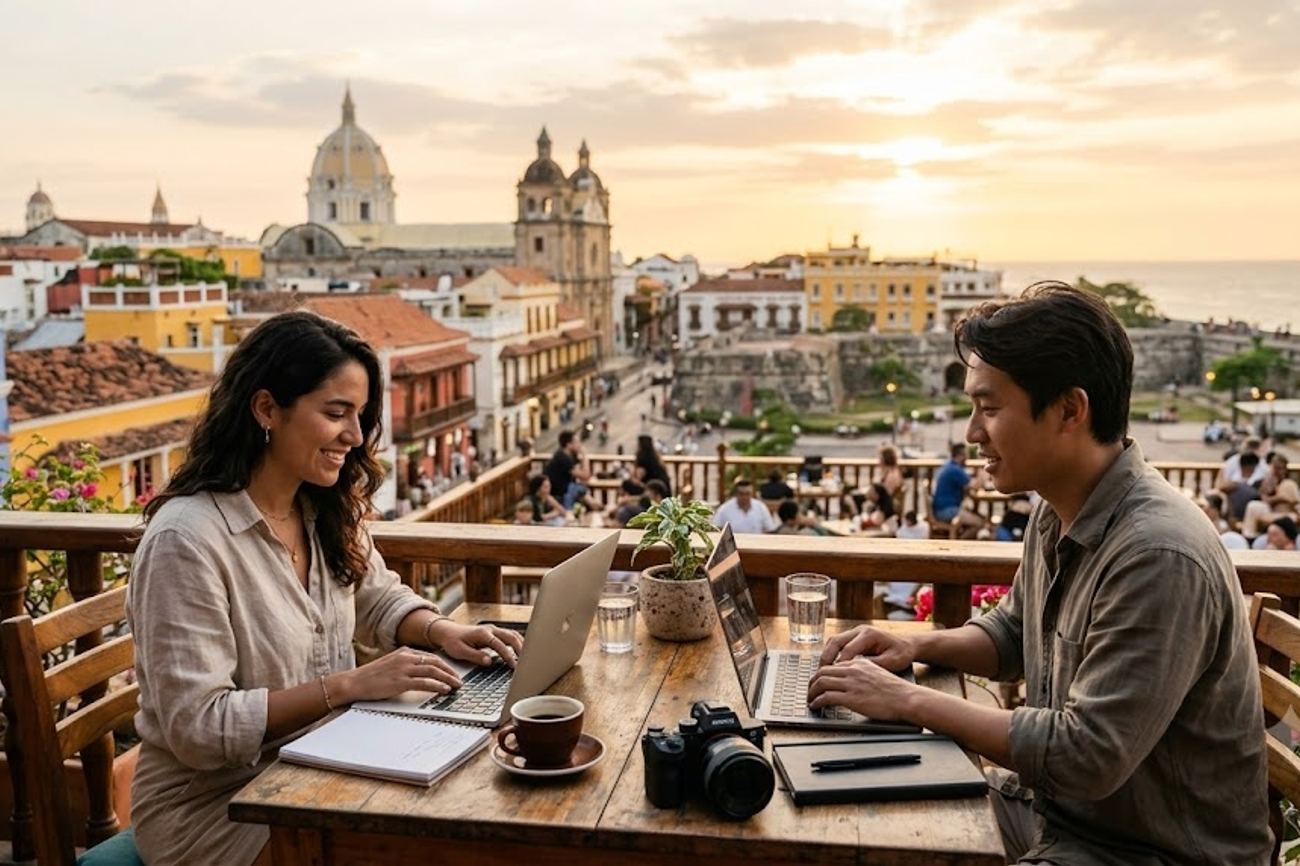
Image generated by AI
The traditional two-week vacation is being replaced by "micro-sabbaticals," where professionals swap compressed holiday schedules for month-long professional stints in hubs like Colombia, Vietnam, Portugal, and Thailand. This shift marks a move away from frantic tourist checklists toward a slow-paced lifestyle pivot, allowing workers to maintain corporate output during specific blocks of time while dedicating their afternoons to deep cultural integration.
The Rise of the Micro-Sabbatical
The architecture of the modern career is undergoing a structural shift. For decades, the corporate standard was a binary choice: work for eleven months and escape for two weeks. However, a new movement of location-independent professionals is rejecting this high-stress cycle in favor of the micro-sabbatical. This model allows for a blended existence where productivity meets exploration, effectively curing burnout by removing the pressure to "see everything" in a few days.
By basing themselves in a single region for a month or more, remote workers are discovering that they are actually more productive when immersed in a foreign culture. This isn't about avoiding work; it is about redesigning the environment in which work happens. Whether it is a morning of deep focus in a Medellín innovation district or an evening of emails from a coastal cafe in Portugal, the goal is sustainable adventure. This transition is supported by a global expansion of flexible visa frameworks and the proliferation of high-end co-working infrastructure that rivals any corporate office in North America or Europe.
What Makes These Hubs Different
Each of these emerging destinations offers a distinct value proposition for the professional traveler, blending specific infrastructure with unique cultural rhythms.
In Portugal, the attraction is a blend of stability and surf. The country has moved beyond simple tourism to create dedicated digital nomad villages and structured residency pathways. The legal framework is a primary draw, specifically the D8 visa, which provides a clear, legal route for foreign employees to maintain overseas contracts while living within the European Union. This allows for a seamless transition into Portuguese society, where historic urban architecture meets a modern, Atlantic-facing lifestyle. You can find detailed residency requirements via the Portuguese Government Official Portal.
Thailand has long been the gold standard for Asian remote work, but it has evolved. While Chiang Mai remains a legendary hub for its ergonomic workspaces and high-speed fiber internet, the country is now diversifying its appeal with serene island setups. The introduction of the Destination Thailand Visa specifically targets those seeking long-term stability rather than short-term visits. The combination of an accessible cost of living and a vibrant cafe culture allows professionals to maintain high living standards while engaging with Southeast Asian traditions. For those planning a visit, Tourism Authority of Thailand provides the most current entry guidelines.
Colombia is the current South American standout, offering a sharp contrast between the high-energy urban renewal of Medellín and the quiet, nature-immersive pacing of the Andean coffee triangle. The country has simplified its administrative structures to welcome international workers, making it easier to relocate for a few months. The draw here is the duality: one can spend a week in a modern innovation hub and the next in a slow-living coffee plantation, all without losing professional connectivity.
Vietnam offers a different kind of value, primarily driven by an unmatched cost-of-living advantage. From the northern highlands to the southern metropolitan centers, the country provides a backdrop of breathtaking natural landscapes and a world-renowned culinary scene. While its visa frameworks are often adapted from standard traveler policies, the sheer affordability makes it a premier choice for independent contractors who want to minimize their operating budget while maximizing their cultural exploration.
Visitor Insider Tips
To successfully transition from a tourist to a micro-sabbatical resident, you need to navigate the local rhythms rather than fight them.
Timing and Pace: In Colombia, avoid scheduling your move during the peak December holiday rush; instead, aim for the shoulder seasons of March to May for better accommodation rates in Medellín. In Thailand, the "cool season" (November to February) is the most comfortable for outdoor work, but be aware that Chiang Mai experiences a "burning season" in early spring that can make outdoor activities difficult.
Local Etiquette and Integration: In Vietnam, the cafe culture is the heartbeat of the city. When working from cafes, it is customary to order regularly; don't expect to sit for eight hours on a single espresso. In Portugal, embrace the "slow" pace of the south; business and social interactions often take longer than in the US or UK, and rushing is seen as a lack of sophistication.
Transport and Logistics: Avoid relying solely on international ride-sharing apps. In Colombia, learn the local taxi norms and use verified apps. In Vietnam, motorbike taxis are the fastest way to navigate urban congestion, but always negotiate the price or use a reputable app before mounting.
Neighborhood Recommendations: For those heading to Medellín, look into the El Poblado district for maximum connectivity and English-speaking services, or Laureles for a more authentic, residential feel with wider streets and local parks. In Lisbon, venture beyond the Baixa district to find quieter co-working spots in Arroios or Graça.
Cultural and Environmental Context
The shift toward month-long stays has a profound impact on local communities. Unlike traditional tourism, which often creates "bubbles" of luxury hotels and souvenir shops, the micro-sabbatical model encourages the use of local grocery stores, neighborhood gyms, and residential rentals. This distributes wealth more evenly across the community.
However, this influx of high-earning remote workers brings challenges, particularly regarding gentrification. In cities like Lisbon and Medellín, the demand for short-term professional rentals has occasionally driven up housing costs for local residents. This tension has led to a growing movement toward "sustainable lifestyle design," where nomads are encouraged to engage in community service or support local businesses that are not geared toward tourists.
Environmental preservation is also at the forefront, especially in Thailand and Colombia. The move toward slow travel reduces the carbon footprint associated with "checklist tourism"—where a traveler might fly between five cities in ten days. By staying in one place for a month, the environmental impact per day is significantly lowered, and the visitor is more likely to respect local conservation efforts, such as the protection of the Andean cloud forests or the marine ecosystems of the Thai islands. For those interested in the preservation of these regions, the UNESCO World Heritage Centre provides context on the sites that these workers are now living alongside.
FAQ: Visiting These Hubs 2025
What is the best time to visit these regions? For Portugal and Colombia, spring (March-May) offers ideal weather. In Thailand and Vietnam, the window from November to February avoids the extreme heat and monsoon rains, making it the most productive time for remote work.
Do I need a specific visa for remote work? Yes, many now offer specialized options. Portugal has the D8 visa, and Thailand has the Destination Thailand Visa. Always check the official government portal of the destination country for the most current legal requirements.
Is it safe for solo travelers? Generally, yes. These hubs have established nomad communities that provide a built-in social network. However, standard urban safety precautions apply, particularly in large cities like Medellín or Ho Chi Minh City.
How do I find reliable internet in these countries? Most major cities in these four nations have world-class fiber internet. The best approach is to base yourself in neighborhoods known for "cafe culture" or rent a dedicated co-working membership to ensure a backup power supply and high-speed connection.
Trade the two-week escape for a month of living; your career will survive, but your perspective will change.
#ColombiaRemoteWork #DigitalNomadPortugal #ThailandWorkation #VietnamSlowTravel #MicroSabbaticals2025
Related Travel Guides
- Truro Welcomes a Bright New Chapter of Togetherness at EMBRACE Festival
- Queenstown Steps Up with Auckland and More Places to Counter Nearly 8% Oceania Tourism Decline in July with Discounts and Incentives
- Japan Along with Thailand and More in Supercharging Asia Domestic Tourism with Record Travel Demand in 2026
Disclaimer
This article is for informational and educational purposes only. It does not constitute legal, financial, or professional advice. While we strive to provide accurate and up-to-date information, travel policies, regulations, and conditions change rapidly. Always verify information with official sources before making travel decisions. Nomad Lawyer makes no representations about the accuracy, reliability, completeness, or suitability of the information provided. Readers should consult qualified professionals for advice specific to their circumstances. The views expressed in this article are those of the author and do not necessarily reflect the views of Nomad Lawyer.
Kunal K Choudhary
Co-Founder & Contributor
A passionate traveller and tech enthusiast. Kunal contributes to the vision and growth of Nomad Lawyer, bringing fresh perspectives and driving the community forward.
Learn more about our team →