
Transit Security: Nations Advocate Middle East Dialogue to Protect Travel
China, Turkey, and partners are urging the US and Iran to resume negotiations to prevent disruptions to aviation corridors and tourism.

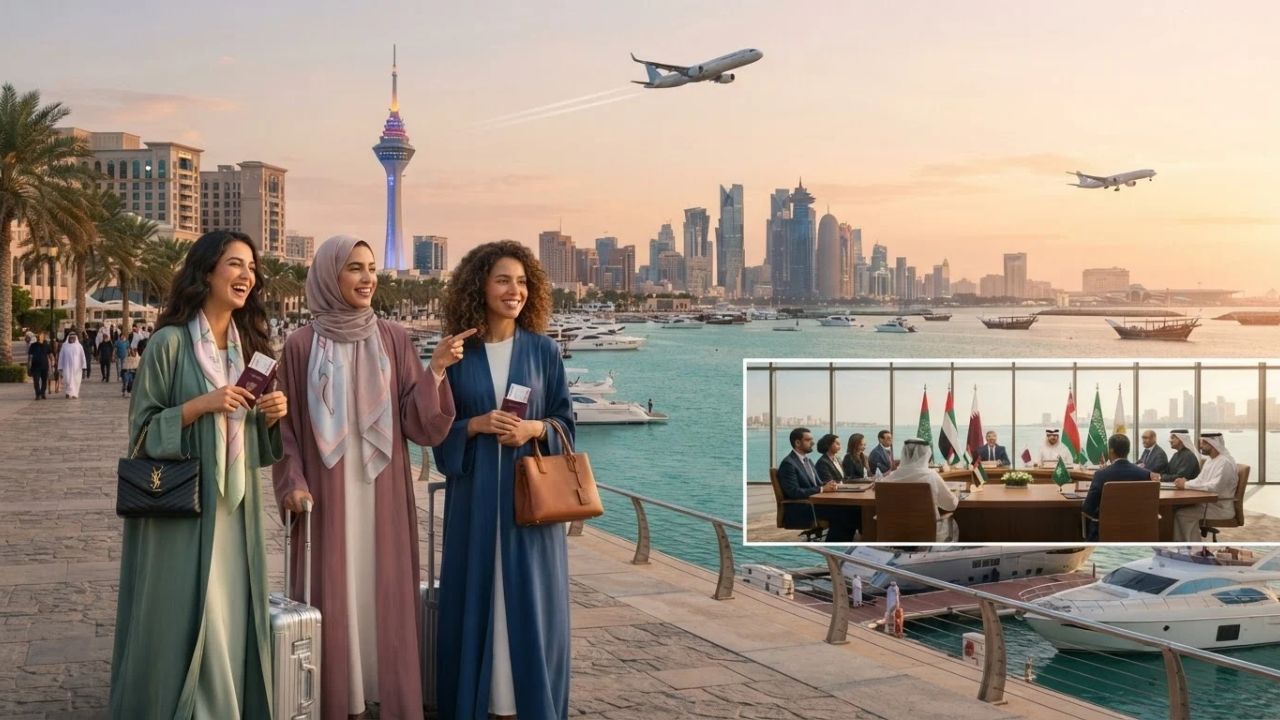
Image generated by AI
China, Turkey, and partners are urging the US and Iran to resume negotiations to prevent disruptions to aviation corridors and tourism. The diplomatic initiative aims to manage transit security and restore confidence across major transcontinental travel hubs.
Geopolitical Stability and Transcontinental Travel Corridors
A significant trend in international transport is the vulnerability of transcontinental corridors to regional geopolitical disputes. Historically, aviation and maritime networks operated within established flight paths and shipping lanes with minimal security diversions. In 2026, the rise in regional tensions has prompted global powers to prioritize diplomatic channels to protect commercial transit.
For the tourism sector, stability is the foundation of growth. Major airline hubs in Doha, Istanbul, and Riyadh connect passengers between Europe, Asia, and Africa. Any threat to these air corridors impacts traveler confidence, increases fuel costs due to flight diversions, and delays long-haul passenger arrivals.
Diplomatic Mediation: China and Turkey lead Calls for Dialogue
The diplomatic push focuses on preventing military escalation and protecting cross-border travel connections:
- China's Diplomatic Role: Beijing is advocating for political negotiations between Washington and Tehran, opposing confrontation that could disrupt Gulf energy and transport networks.
- Ankara's Border Role: Turkey is leveraging its borders with Iran and relations with Western countries to serve as a mediator, protecting its own coastal and historical tourism sectors.
- Omani Mediation: Muscat continues to facilitate communication channels, particularly to prevent disruptions near the Strait of Hormuz.
- Supportive Nations: Pakistan, Qatar, Saudi Arabia, and Russia support de-escalation to protect Gulf tourism investments and aviation networks.
These countries emphasize that diplomatic solutions are necessary to prevent wider economic and travel disruptions.
Impact of Regional Security on Gulf Tourism and Aviation
The safety of transcontinental corridors has direct consequences for regional travel growth:
- Flight Routing Risks: Geopolitical uncertainty forces airlines to plan longer, alternative flight paths, increasing travel times and carrier costs.
- Tourism Investments: Large-scale leisure developments, such as Saudi Arabia's cultural projects and Qatar's transit facilities, rely on a stable security environment.
- Cruise Shipping Security: Maritime transit through the Gulf of Oman depends on secure navigation channels.
Encouraging restraint helps maintain investor and passenger confidence in the region's hospitality markets.
Regional Stability and Transit Security Coordinates
The table below breaks down the mediating countries, key transit assets, targeted security zones, and travel sectors established under the diplomatic push:
| Mediating Country | Geographic Mediation Role | Primary Transit Asset | Targeted Security Zone | Key Tourism Impact | Strategic Objective |
|---|---|---|---|---|---|
| China | Global trade partner | Transcontinental air lanes | Arabian Gulf airspace | Long-haul arrivals | Operational de-escalation |
| Turkey | Neighboring border link | Istanbul transfer hub | Eastern Mediterranean | Coastal resort stays | Travel corridor protection |
| Oman | Gulf communication bridge | Port Qaboos cruise terminal | Strait of Hormuz | Cruise liner routes | Maritime safety compliance |
| Qatar | Aviation hub mediator | Doha International Airport | Gulf flight paths | Transit passenger flows | Air route stability |
| Saudi Arabia | Regional economic leader | Riyadh & Jeddah airports | Red Sea coastal waters | Tourism project confidence | Multi-billion-dollar investments |
These coordinates outline the mediators, roles, assets, zones, impacts, and objectives established for transit security.
Resource Stewardship and Fuel Efficiency
For the traveler, the benefit of successful diplomatic de-escalation is the maintenance of direct, fuel-efficient flight paths, which avoids the carbon emissions associated with long detours around contested airspace. Utilizing direct transcontinental flights helps minimize fuel burn per passenger-mile.
Additionally, booking trips that support regional ecotourism programs and local guides in Turkey, Oman, and Saudi Arabia keeps travel capital within local economies. Following safety guidelines ensures that public transit networks remain operational.
For example, you can explore the changing dynamics of Stimulus Launch: Taiwan Unveils Billion-Dollar Repeat Visitor Rewards to see how destinations attract visitors. For shipping-related transit updates, comparing marine route links matches other corridors, such as Transit Security: Iran and Oman Coordinate Strait of Hormuz Corridor updates. This trend is similar to the tourism growth seen in other destinations, as detailed in our guide on how Utica, New York Emerges as an Affordable Northeast Tourism Hub.
Visitor Insider Tips: Navigating Middle East Transit
If you are planning an international journey through Middle Eastern hubs, keep these practical tips in mind:
- Monitor Airspace Advisories: Check real-time flight tracking platforms and airline notifications for updates on routing changes.
- Allow Extra Connection Time: Book flight layovers with at least a three-hour window at hubs like Doha or Istanbul to accommodate potential rerouting delays.
- Check Travel Insurance Policies: Verify that your insurance package covers travel disruptions caused by regional airspace closures.
- Review Visa Rules for Layover Tours: Ensure you meet immigration requirements if you plan to book a custom city tour during your layover.
- Register with Your Embassy: Enroll in your country's smart traveler program to receive security alerts while exploring regional destinations.
Long-Term Outlook for Transcontinental Transit
The long-term outlook for travel in the Middle East is focused on implementing automated air traffic coordination, expanding regional codeshare agreements, and upgrading maritime ports. As passenger demand for global connections remains strong, transport operators and governments will cooperate to protect key corridors.
By enforcing safety guidelines and supporting international mediation, the travel sector aims to build a reliable destination network.
FAQ
Which countries are calling for U.S.-Iran de-escalation?
China, Turkey, Oman, Pakistan, Qatar, Saudi Arabia, and Russia are urging both sides to resume negotiations to protect regional stability.
How does regional instability affect global aviation?
Insecurity forces airlines to reroute flights, which increases travel times, fuel consumption, operating costs, and ticket prices.
What is the strategic importance of the Strait of Hormuz?
The Strait of Hormuz is a key maritime corridor; any disruption in this zone affects shipping, energy costs, and regional cruise itineraries.
How do these diplomatic efforts support tourism?
By reducing security risks and maintaining direct air paths, the mediation helps preserve traveler confidence and supports tourism investments.
Stay updated on the regional travel regulations and airspace guides shaping global transit.
Related Travel Guides
Disclaimer
This article is for informational and educational purposes only. It does not constitute legal, financial, or professional advice. While we strive to provide accurate and up-to-date information, travel policies, regulations, and conditions change rapidly. Always verify information with official sources before making travel decisions. Nomad Lawyer makes no representations about the accuracy, reliability, completeness, or suitability of the information provided. Readers should consult qualified professionals for advice specific to their circumstances. The views expressed in this article are those of the author and do not necessarily reflect the views of Nomad Lawyer.
Raushan Kumar
Founder & Lead Developer
Full-stack developer with 11+ years of experience and a passionate traveller. Raushan built Nomad Lawyer from the ground up with a vision to create the best travel and law experience on the web.
Learn more about our team →