
Global Skyscraper Tourism 2026: Admission Costs and Observation Deck Guide for the World's Tallest Towers
A comprehensive analysis of admission fees and visitor experiences at the world's tallest skyscrapers, from the Burj Khalifa to the Shanghai Tower, explaining the economics of skyline tourism.

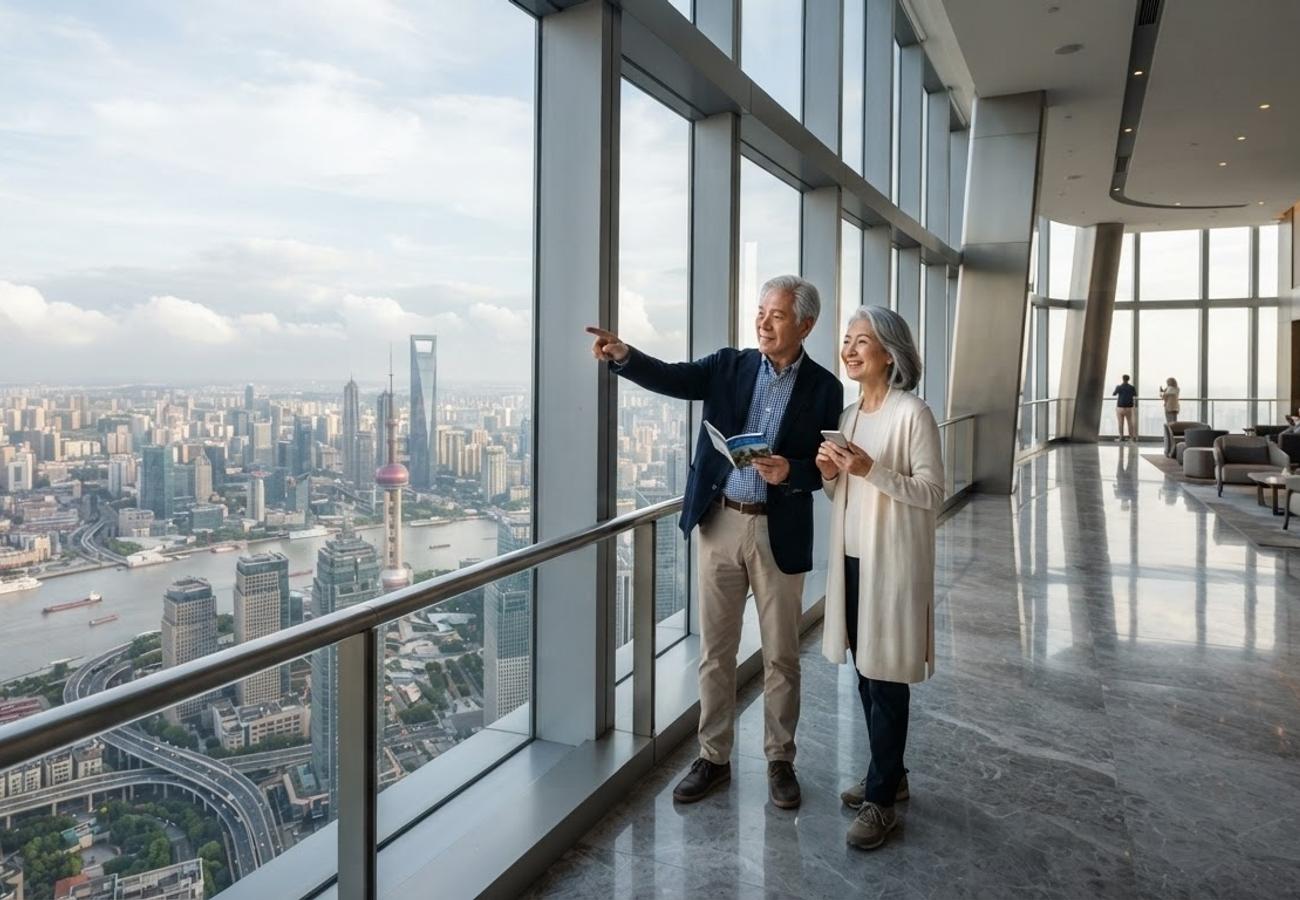
Image generated by AI
The phenomenon of "skyline tourism" has evolved into a primary driver of urban travel, with millions of visitors annually ascending the world's most ambitious architectural feats. While social media often frames these trips around the "perfect selfie," the economic reality is that visitors are paying for access to engineering marvels and premium urban infrastructure, not the act of photography itself.
From the deserts of Dubai to the financial hubs of Shanghai and New York, observation decks have transitioned from simple viewing platforms into comprehensive tourism ecosystems. These venues combine high-speed vertical transport, immersive exhibits, and secure viewing environments to generate significant revenue for their respective cities.
The Economics of the View: What Your Ticket Covers
A common misconception among travelers is that they are paying for the right to take photographs. In reality, the admission fee supports the immense operational costs of maintaining a building at extreme altitudes.
Ticket prices cover several critical components:
- High-Speed Transit: The energy and maintenance of elevators capable of reaching hundreds of meters in seconds.
- Safety and Security: Constant monitoring and structural maintenance required for high-altitude public spaces.
- Visitor Infrastructure: The upkeep of climate-controlled lounges, digital exhibits, and hospitality services.
- Urban Management: Contributions to the local tourism economy and city infrastructure.
While personal photography is an integrated part of the experience, the fee is strictly for the access and facilities provided.
Global Benchmark: Top Observation Decks and Current Pricing
The following data outlines the current height, access points, and estimated adult pricing for the most prominent skyscrapers globally.
| Country | Skyscraper | Height | Observation Deck | Approx. Adult Ticket Price* | Official Ticket Link |
|---|---|---|---|---|---|
| United Arab Emirates | Burj Khalifa | 828 m | At The Top (Levels 124, 125 & 148) | From AED 179 (124/125); SKY from AED 399 | At The Top – Burj Khalifa Official Tickets |
| China | Shanghai Tower | 632 m | Top of Shanghai (118th Floor) | Around CNY 180 | Shanghai Tower Official Tickets (Klook Travel) |
| South Korea | Lotte World Tower | 555 m | Seoul Sky | Adults from KRW 31,000 | Seoul Sky Official |
| Taiwan | Taipei 101 | 508 m | Observatory (89F & 91F) | Adults from NT$600 | Taipei 101 Observatory Official (Wikipedia) |
| Malaysia | Petronas Twin Towers | 452 m | Skybridge & Observation Deck | Adults from MYR 98 | Petronas Twin Towers Official Tickets |
| United States | One World Observatory | 541 m (building) | Floors 100–102 | From US$39 | One World Observatory Official |
| United States | Empire State Building | 443 m | 86th & 102nd Floors | From US$48 | Empire State Building Official Tickets |
| United States | Willis Tower | 442 m | Skydeck | From US$32 | Skydeck Chicago Official |
| Canada | CN Tower | 553 m | Main Observation Deck & Glass Floor | From CAD 45 | CN Tower Official Tickets |
| Hong Kong | Sky100 Hong Kong Observation Deck | 393 m | 100th Floor | From HK$198 | Sky100 Official Tickets |
| Vietnam | Landmark 81 SkyView | 461 m | Floors 79–81 | From VND 600,000 | Landmark 81 SkyView Official |
*Prices are approximate and subject to change based on seasonal demand and ticket tier.
Regional Highlights in High-Altitude Tourism
Middle East and Asia: Engineering as Attraction
The UAE continues to set the global standard with the Burj Khalifa. By offering tiered access—ranging from the standard "At The Top" experience to the ultra-premium Level 148—Dubai has successfully segmented its market to appeal to both budget tourists and luxury seekers.
In Asia, the Shanghai Tower and Lotte World Tower have integrated entertainment and technology into their viewing experiences. Seoul's Lotte World Tower, for instance, utilizes glass-floor attractions to heighten the sensory experience, blending engineering with a "thrill-seek" element that attracts a younger, social-media-savvy demographic.
North America: The Competitive Experience
The United States maintains a diverse portfolio of observation decks. Unlike the single-tower dominance seen in Dubai, the US market is characterized by competition between landmarks like the Empire State Building and One World Observatory. This competition has led to an increase in digital exhibitions and interactive storytelling, ensuring that the visit is an educational experience rather than just a photo opportunity.
Southeast Asia: Architectural Icons
The Petronas Twin Towers in Malaysia and Landmark 81 in Vietnam demonstrate how skyscrapers serve as symbols of national identity. While the Petronas Towers may no longer be the world's tallest, their unique Skybridge remains one of the most sought-after architectural experiences in the region, proving that design and prestige often outweigh raw height in attracting visitors.
Key Takeaways for Travelers
- Admission vs. Activity: Tickets grant access to the facility; photography is a byproduct of the visit, not the service being sold.
- Tiered Pricing: Many towers offer "Premium" or "VIP" packages that include faster elevator access or exclusive lounges, particularly during sunset hours.
- Commercial Restrictions: While personal selfies are encouraged, commercial filming or professional photography often requires separate permits and fees.
- Booking: Due to high demand and security screenings, booking via official channels is highly recommended to avoid long queues.
The world's tallest towers are more than just viewpoints; they are monuments to human ambition and urban evolution.
Related Travel Guides
Disclaimer
This article is for informational and educational purposes only. It does not constitute legal, financial, or professional advice. While we strive to provide accurate and up-to-date information, travel policies, regulations, and conditions change rapidly. Always verify information with official sources before making travel decisions. Nomad Lawyer makes no representations about the accuracy, reliability, completeness, or suitability of the information provided. Readers should consult qualified professionals for advice specific to their circumstances. The views expressed in this article are those of the author and do not necessarily reflect the views of Nomad Lawyer.
Preeti Gunjan
Contributor & Community Manager
A passionate traveller and community builder. Preeti helps grow the Nomad Lawyer community, fostering engagement and bringing the reader experience to life.
Learn more about our team →