
China-Kyrgyzstan-Uzbekistan Railway Breaks Through First Tunnel
A major milestone for the $4.7 billion China-Kyrgyzstan-Uzbekistan railway as the Kosh Dobo North No. 2 tunnel is completed, reshaping Central Asian travel.

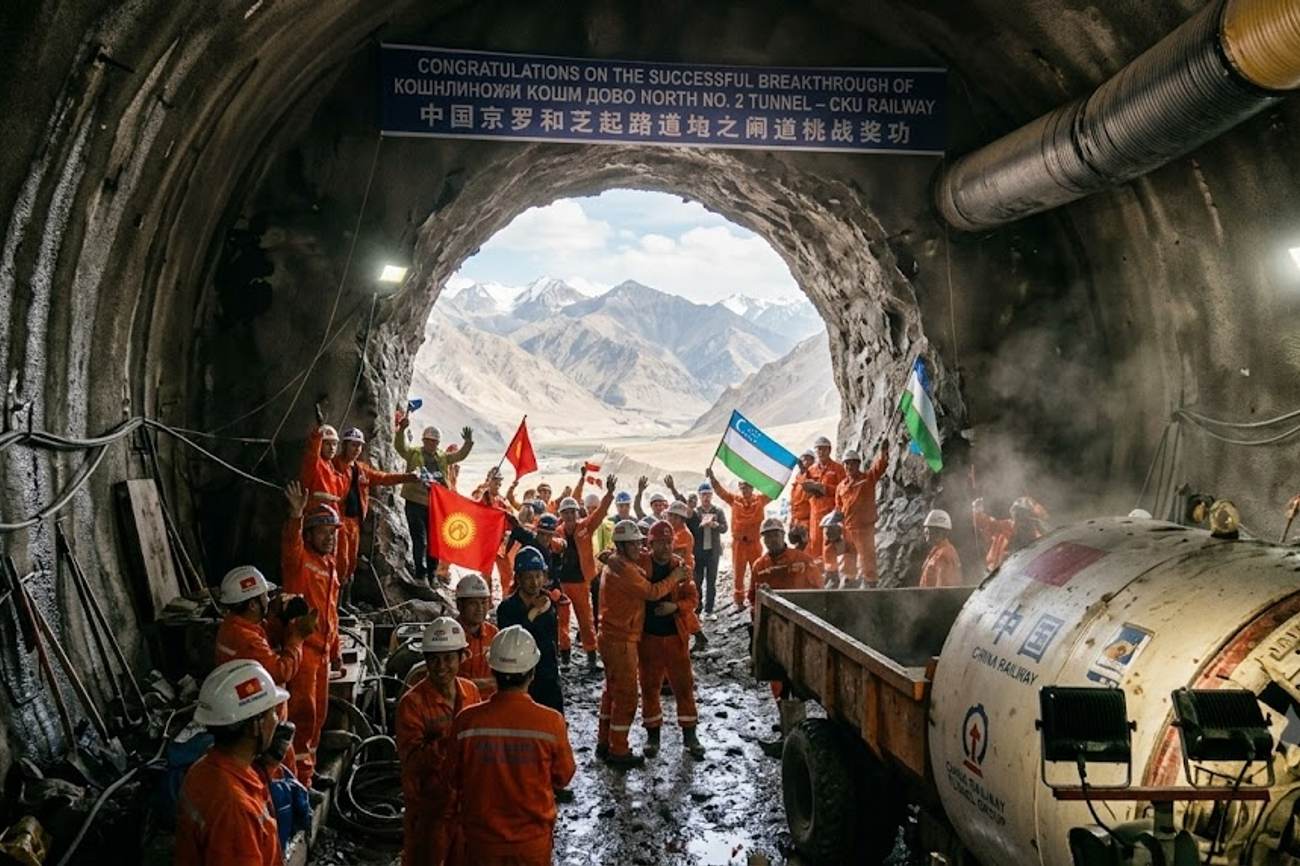
Image generated by AI
The Local Trend Revealed
Central Asia is shedding its historical isolation as the China-Kyrgyzstan-Uzbekistan (CKU) railway moves from blueprint to reality. The recent breakthrough of the Kosh Dobo North No. 2 tunnel in Kyrgyzstan marks a pivotal shift in how the region connects. Starting in Kashgar, China, and ending in Andijan, Uzbekistan, this 310-mile transit route is not merely a logistics project; it is a fundamental redesign of Eurasian mobility.
For the modern traveler and the digital nomad, this represents a transition from grueling, multi-day road journeys through rugged mountain passes to a streamlined rail experience. The project introduces a specialized dual-gauge system to solve the historical problem of incompatible track widths between nations, ensuring that passenger and freight movement is fluid across borders.
Cultural & Environmental Value
For the visitor, the real impact is the sudden accessibility of the "interior" of Asia. By integrating isolated mountain communities into a broader regional network, the railway opens the door for authentic cultural exchange that was previously hindered by geography.
The project’s engineering emphasizes resilience against extreme meteorological and geological conditions, ensuring that the infrastructure respects the fragile high-altitude environment. Rather than relying on the traditional northern corridors, this southern diversification supports the local economies of Kyrgyzstan and Uzbekistan directly. The establishment of transshipment hubs, such as the one in Makmal, creates new economic nodes that allow local vendors and artisans to reach international markets without relying on distant intermediaries.
Visitor Insider Tips
- The "Slow Travel" Window: Once operational, target the shoulder seasons (May-June and September-October) to traverse the Kyrgyz segment. This avoids the extreme winter freezes and the peak summer crowds.
- Cultural Etiquette: When visiting the new rail hubs in Kyrgyzstan and Uzbekistan, remember that hospitality is a cornerstone of Central Asian culture. Accepting tea is a sign of respect; refusing it can be seen as a slight.
- Hidden Gem: Use the railway as a springboard to visit the Fergana Valley in Uzbekistan. While Andijan is the terminus, the surrounding valley offers some of the region's finest silk and ceramic workshops.
- Local Dining: In the Kyrgyz highlands, seek out Beshbarmak (the national dish) at small family-run guesthouses near the rail stops rather than at the stations themselves for a more authentic experience.
Tourism Outlook
The long-term impact of the CKU railway is a total reconfiguration of the Silk Road experience. By reducing the reliance on air travel and difficult road crossings, the region is poised to see a surge in "slow tourism." The ability to move five to eight million tonnes of freight annually will bring an influx of investment into hospitality and eco-tourism infrastructure, turning landlocked nations into land-linked hubs. This project effectively ends decades of geopolitical delays, signaling a new era of trilateral cooperation.
Related Travel Guides
Disclaimer
This article is for informational and educational purposes only. It does not constitute legal, financial, or professional advice. While we strive to provide accurate and up-to-date information, travel policies, regulations, and conditions change rapidly. Always verify information with official sources before making travel decisions. Nomad Lawyer makes no representations about the accuracy, reliability, completeness, or suitability of the information provided. Readers should consult qualified professionals for advice specific to their circumstances. The views expressed in this article are those of the author and do not necessarily reflect the views of Nomad Lawyer.
Raushan Kumar
Founder & Lead Developer
Full-stack developer with 11+ years of experience and a passionate traveller. Raushan built Nomad Lawyer from the ground up with a vision to create the best travel and law experience on the web.
Learn more about our team →