
Caribbean Cruise Boom 2026: Denmark and Belgium Drive Record European Maritime Tourism Growth
European passenger arrivals are fueling a historic Caribbean cruise surge in 2026, with Denmark and Belgium leading a structural shift toward long-haul maritime tourism.
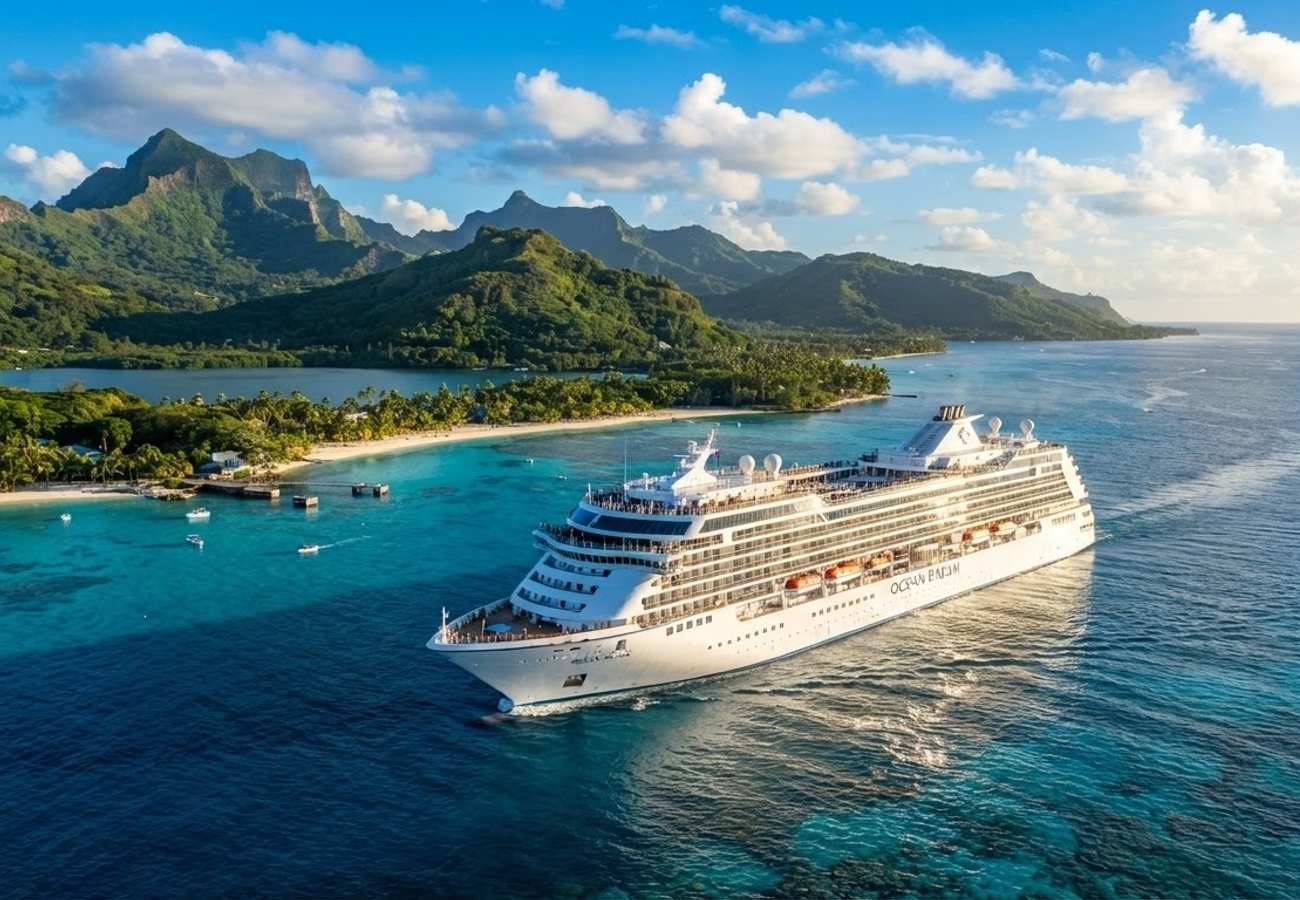
Image generated by AI
The Caribbean maritime sector is experiencing a permanent structural evolution as European travelers replace North American dominance. Record-breaking demand from Denmark and Belgium has pushed annualized passenger arrivals to 34.5 million in 2026.
Structural Shift in Global Maritime Demographics
The international cruise sector has moved beyond a simple post-pandemic recovery into an era of unprecedented expansion. While the Caribbean has historically relied on North American source markets, current data indicates a profound diversification of passenger demographics.
European source markets are currently expanding at their fastest rate in over two decades. This shift is characterized by a preference for multi-island itineraries and longer vacation durations, which has forced cruise lines to implement extensive fleet redeployments and capital investments in regional port infrastructure.
Flight tracking and port registries from Nassau to Bridgetown indicate that vessel capacities are consistently operating above 104% berth occupancy during peak seasons. This is primarily driven by double-occupancy overbookings and a surge in family cabin reservations.
Global Maritime Passenger Distribution (2026)
- North America: 62% (Slow, steady growth)
- Europe: 29% (Rapid expansion era)
- Rest of World: 9% (Emerging corridors)
Core European Growth Engines:
- Denmark: +24.2%
- Belgium: +21.8%
- DACH & UK: +15.4%
2026 Capacity Milestones and Fleet Evolution
Between 2022 and 2025, maritime operators executed aggressive balance-sheet restructurings and commissioned next-generation vessels tailored for long-haul "fly-cruise" demographics. By mid-2026, the global fleet added over 35,000 lower berths, specifically utilizing dual-fuel liquefied natural gas (LNG) technology.
Data from the Caribbean Tourism Organization (CTO) confirms that total cruise passenger arrivals exceeded 34.5 million on an annualized basis by August 2026. This represents a 14.2% increase over 2024 benchmarks and a 28.6% surge compared to pre-2020 levels.
Annual Caribbean Cruise Passenger Arrivals (2021–2026)
| Year | Total Passenger Count | Year-on-Year Growth Rate |
|---|---|---|
| 2021 | 4.2 Million | Baseline Recovery Phase |
| 2022 | 18.6 Million | +342.8% |
| 2023 | 26.1 Million | +40.3% |
| 2024 | 30.2 Million | +15.7% |
| 2025 | 32.1 Million | +6.3% |
| 2026 (YTD) | 34.5 Million | +14.2% |
The 2026 fleet has pivoted away from short 3-to-4-day trips from Florida, instead prioritizing 9-to-14-day deep-Caribbean voyages to accommodate the needs of European travelers.
The European Catalyst: Denmark and Belgium
Northern European markets, specifically Denmark, have become primary contributors to this surge. Statistics from Danmarks Statistik show an extraordinary escalation in outbound leisure travel from Copenhagen Airport (CPH) and Billund Airport (BLL).
Danish outbound passenger numbers for Caribbean destinations grew by 24.2% year-on-year. This trend is attributed to high disposable household income, statutory annual leave policies allowing for 14-to-21-day holidays, and a strategic shift away from Mediterranean winter options toward guaranteed tropical climates.
Belgium has mirrored this trajectory with a 21.8% growth rate, supported by enhanced seasonal charters and code-share agreements that have streamlined the logistics of transatlantic fly-cruise packages.
Passenger Rights & Advisory: Long-Haul Fly-Cruise Protections
For the affected passenger booking these complex multi-modal trips (flight + cruise), the risks of disruption increase. Our analysis of current aviation and maritime policies suggests the following:
Flight Disruptions (EU261/2004) Since many of these passengers are departing from Denmark and Belgium, they are protected under EU261/2004. If a flight to a Caribbean homeport is cancelled or delayed by more than three hours, passengers may be entitled to compensation up to €600, provided the delay was not caused by "extraordinary circumstances."
Missed Embarkation Our analysis suggests that "fly-cruise" packages sold as a single bundle often provide better protection. However, if flights and cruises are booked separately, a flight delay resulting in a missed ship is generally not the cruise line's liability. Passengers should secure comprehensive travel insurance that specifically covers "Missed Port" or "Trip Interruption."
Maritime Rights For those on the 2026 LNG fleet, passengers should be aware that while maritime law varies by flag state, most major lines adhere to the Athens Convention regarding carrier liability for passengers.
The transition to year-round operational models in the Caribbean indicates that the region is no longer a seasonal destination but a global maritime hub. The shift toward LNG vessels is not merely an environmental choice but a strategic one to lower long-term operational costs during extended 14-day itineraries. The primary risk to this growth remains the volatility of transatlantic aviation capacity; if charter agreements between Scandinavia and the Caribbean fluctuate, the cruise industry's "European Engine" could stall.
The Caribbean is no longer just a winter escape for Americans—it is now the center of a global maritime redistribution.
Related Travel Guides
Disclaimer
This article is for informational and educational purposes only. It does not constitute legal, financial, or professional advice. While we strive to provide accurate and up-to-date information, travel policies, regulations, and conditions change rapidly. Always verify information with official sources before making travel decisions. Nomad Lawyer makes no representations about the accuracy, reliability, completeness, or suitability of the information provided. Readers should consult qualified professionals for advice specific to their circumstances. The views expressed in this article are those of the author and do not necessarily reflect the views of Nomad Lawyer.