
Cancún Aligns With Cozumel and Others as Record Sargassum Threatens Mexico Beach Tourism in Late 2026
Cancún Aligns With Cozumel and Others as Record Sargassum Threatens Mexico Beach Tourism in Late 2026

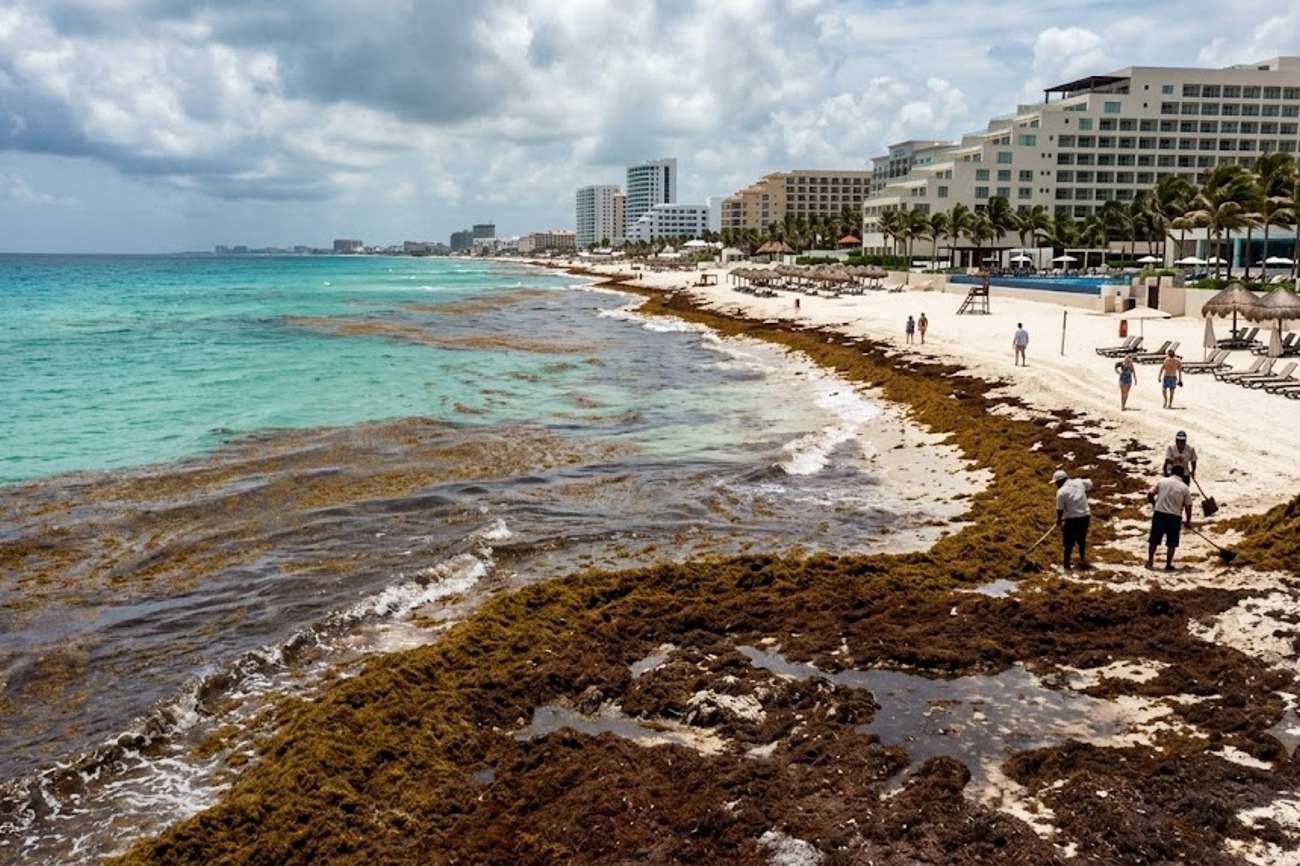
Image generated by AI
title: Navigating the Sargassum Surge in the Mexican Caribbean date: 2026-09-15 category: Destination Feature tags: [Quintana Roo Travel 2026, Riviera Maya Tourism, Cancun Beach Guide, Mexico Coastal Travel]
By July 30, 2026, Quintana Roo had already collected 96,151 tonnes of sargassum—surpassing the total amount gathered during the entire previous year of 2025. This staggering volume marks one of the most aggressive seaweed seasons in history, fundamentally altering how visitors experience the turquoise waters of the Mexican Caribbean.
The Great Brown Tide of 2026
The Caribbean coast of Mexico is currently locked in a battle with an unprecedented influx of sargassum. This floating brown seaweed is not merely a visual nuisance; it is a systemic challenge affecting the economic heartbeat of the region. From the high-rise corridors of Cancún to the bohemian shores of Tulum, the sheer scale of the arrivals has forced a complete overhaul of coastal management.
The numbers tell a story of an escalating crisis. Daily, between 40,000 and 90,538 tonnes of sargassum move through Mexican Caribbean waters. While only about 10% of this mass actually reaches the coastline, that fraction is enough to overwhelm traditional cleaning crews. To combat this, the Mexican government has deployed 16,030 metres of containment barriers and a fleet consisting of 11 coastal vessels, 18 support craft, and one specialized ocean-going collection vessel.
The financial commitment to reclaiming the beaches is massive. An initial reinforcement investment of 768.7 million pesos has been injected into the response, with a broader strategic plan exceeding 2 billion pesos. The goal is to scale collection capacity from the current 1,227 tonnes per day to a first-stage target of 1,870 tonnes, eventually aiming for 4,000 tonnes per day to keep the sands white.
What Makes the Riviera Maya Different Right Now
The experience of visiting the Mexican Caribbean in late 2026 is defined by geographic variance. The "sargassum lottery" means that two beaches separated by only a few kilometers can have entirely different appearances.
In the Benito Juárez municipality, which encompasses Cancún, the pressure is immense. Authorities have already hauled away roughly 20,880 tonnes from this area. For a city that serves as the global gateway to Mexico, the stakes are high; when sargassum decomposes on the sand, it releases a pungent odor and turns the crystal-clear water a murky brown, threatening the very image the city sells to the world.
Playa del Carmen has emerged as the epicenter of the surge. By July 20, the city had collected approximately 31,413 tonnes—the highest volume of any municipality in the region. The local response has been Herculean. On June 6 alone, a coordinated effort involving over 2,000 people cleared 70 tonnes of seaweed from the shoreline in a single day.
Further south, Tulum continues to struggle with its identity as a pristine coastal sanctuary. With 9,663 tonnes collected so far in 2026, the town's beach hotels are fighting to maintain their luxury appeal. This environmental pressure coincides with a competitive market; between July 2025 and June 2026, hotel occupancy in Tulum averaged 62.6%, trailing behind Cancún’s 70.8% and Playa del Carmen’s 65.4%.
Puerto Morelos, the quieter neighbor between the two giants, has seen 10,572 tonnes removed. Because this area relies heavily on reef-based tourism and diving, the government has prioritized it for offshore interception, attempting to catch the seaweed before it can smother the delicate coral ecosystems.
Visitor Insider Tips
Navigating the coast during a record sargassum year requires a shift in strategy. You cannot simply book a beachfront hotel and assume the water will be clear.
Target the Islands If your primary goal is swimming in turquoise water, head to the islands. Cozumel has remained remarkably resilient, collecting only about 1,113 tonnes by July—a fraction of the mainland's totals. Isla Mujeres and Holbox are similarly less affected. For those seeking the classic Caribbean blue, these are your safest bets.
Timing and Intelligence Avoid the "peak" sargassum windows by monitoring real-time reports. Many hotels in Playa del Carmen now use daily satellite monitoring and beach-by-beach warning systems. Before choosing a beach club or a day trip, check local social media groups or official updates from Visit Mexico to see which stretches of sand are currently clear.
Embrace the Inland Wonders When the beaches are brown, pivot to the interior. The Yucatan Peninsula is world-famous for its cenotes—natural limestone sinkholes. These provide a crystal-clear swimming experience that is entirely unaffected by sargassum. Exploring the UNESCO World Heritage sites like Chichen Itza or the ruins of Tulum (from the cliffside, not the beach) allows you to enjoy the region's culture without the coastal frustration.
Transport Hacks Avoid relying on single-point destinations. Instead of staying in one resort, consider a base in a more flexible location like Puerto Morelos. This allows you to travel north to Cancún or south to Playa del Carmen depending on which area has the most effective containment barriers active that week.
Cultural and Environmental Context
The sargassum crisis is more than a tourism hurdle; it is an ecological signal. The massive blooms are linked to warming ocean temperatures and nutrient runoff from the Amazon and Mississippi rivers. This has created a tension between the immediate economic need to "clear the beaches" and the long-term need for environmental sustainability.
The current strategy focuses heavily on interception. By moving collection offshore, Mexico is attempting to prevent the seaweed from reaching the shore where it decomposes and releases hydrogen sulfide gas. However, the sheer volume of biomass creates a disposal problem. Finding ways to repurpose thousands of tonnes of seaweed into fertilizer or construction materials is the next frontier for the region's sustainability efforts.
Furthermore, the impact on local communities is profound. In places like Puerto Morelos, where the economy is tied to the health of the reef, sargassum isn't just an eyesore—it's a threat to the biodiversity that supports local diving operators and fishermen. The shift toward federalized, high-investment containment is a recognition that the "natural" cycle of the ocean has been disrupted, requiring human intervention to save the coastal economy.
FAQ: Visiting Quintana Roo 2026
What is the best time to visit to avoid sargassum? Historically, sargassum peaks in the late spring and summer. While 2026 has seen record levels into July, visiting during the winter months (November to February) generally offers the lowest risk of heavy seaweed accumulation.
Do I need a visa to visit Mexico? Visa requirements depend on your nationality. Citizens of the US, Canada, and the UK typically do not need a visa for tourism stays up to 180 days, but always check the official Mexican Consulate for current regulations.
How do I get to Cozumel from Cancún? The most common route is taking a shuttle or taxi from Cancún to the ferry terminals in Playa del Carmen or Puerto Morelos, followed by a 30-to-45-minute ferry ride to the island.
Is it safe for solo travelers? Yes, the tourist corridors of Quintana Roo are well-equipped for solo travelers. Stick to official transportation, stay in well-reviewed accommodations, and use common sense in crowded areas.
The Caribbean is shifting, but the magic of the Yucatan remains for those who know where to look.
Related Travel Guides
- Peru Travel Advisory 2026 Urges Visitors To Exercise More Caution As Security Risks Rise Across South America
- UK Aviation Network Transforms As Virgin Atlantic Heathrow Route Changes Redefine Long Haul Travel
- Cumbria Earthquake: 2.2 Magnitude Tremor Hits Sedbergh Before Second Quake Strikes Lancashire Coast
Disclaimer
This article is for informational and educational purposes only. It does not constitute legal, financial, or professional advice. While we strive to provide accurate and up-to-date information, travel policies, regulations, and conditions change rapidly. Always verify information with official sources before making travel decisions. Nomad Lawyer makes no representations about the accuracy, reliability, completeness, or suitability of the information provided. Readers should consult qualified professionals for advice specific to their circumstances. The views expressed in this article are those of the author and do not necessarily reflect the views of Nomad Lawyer.
Kunal K Choudhary
Co-Founder & Contributor
A passionate traveller and tech enthusiast. Kunal contributes to the vision and growth of Nomad Lawyer, bringing fresh perspectives and driving the community forward.
Learn more about our team →