
Cambodia and Hiroshima University Expand Educational Tourism Growth Through Student Exchanges and Community Projects
Cambodia and Hiroshima University Expand Educational Tourism Growth Through Student Exchanges and Community Projects

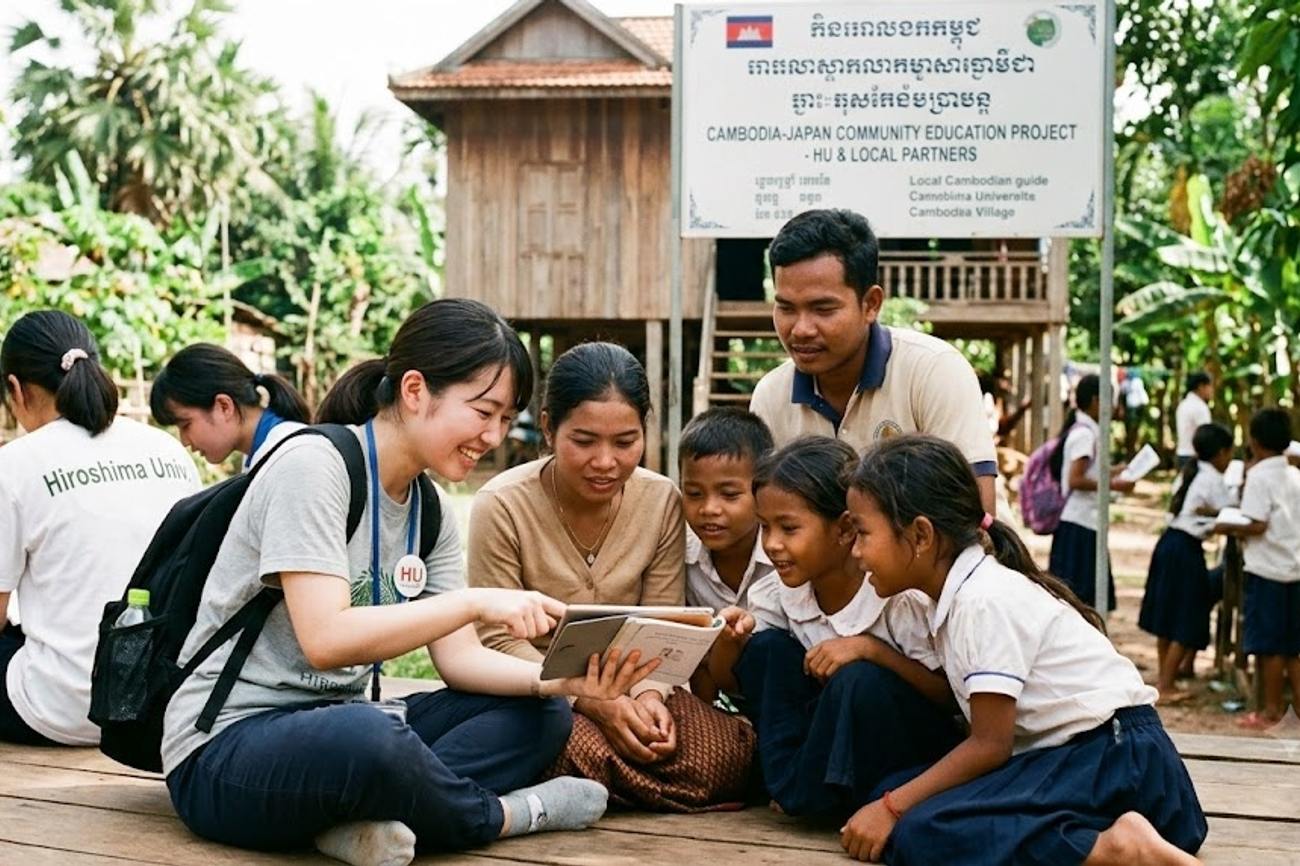
Image generated by AI
While most visitors to Cambodia never look past the temple spires of Angkor, a new movement is turning the country's rural provinces into living classrooms for Japanese students. Through a strategic partnership between the Cambodian Ministry of Tourism and Hiroshima University of Economics, the traditional "sightseeing" trip is being replaced by immersive study tours that embed youth in local communities to tackle real-world issues in sanitation, health, and education.
The Shift Toward Educational Immersion
Cambodia is currently pivoting its tourism strategy to move beyond the "bucket list" model of travel. The recent collaboration between Minister HUOT Hak and Dr. Hirokazu Kashitani signals a transition where university study tours are no longer just academic exercises, but structured tourism products. This initiative is designed to create "value addition" by blending student mobility with community development.
Instead of staying in luxury hotels in the city center, these programs are pushing students into the heart of the provinces. The focus is on people-to-people relationships, where Japanese students interact directly with Cambodian residents to understand the rhythms of rural life. This isn't about observing culture from a distance; it is about active participation in the social fabric of the country.
The partnership is expanding on the existing Cambodia International Exchange Program. This framework has already established a presence in several key areas, specifically the Baray District in Kampong Thom, as well as the provinces of Siem Reap, Battambang, and Prey Veng. By integrating education with travel, Cambodia is effectively using the academic sector to lure a younger, more conscious demographic of Japanese visitors who are interested in social impact rather than just photography.
What Makes Cambodia’s Community Tourism Different
Unlike the curated experiences found in many Southeast Asian hubs, the educational tourism model being developed with Hiroshima University focuses on "resilience and recovery." A unique element of this exchange is the bidirectional flow of knowledge. While Japanese students provide support in health awareness and sanitation improvement, the delegation from Hiroshima University is bringing the history of Hiroshima City’s post-World War II reconstruction to the table.
This creates a profound psychological connection between two nations that have both experienced significant historical trauma and subsequent rebuilding. The tourism experience here is centered on themes of peace and social development, transforming a simple trip into a study of how societies recover and create sustainable futures.
For the local communities in places like Battambang or Kampong Thom, this shift means a diversification of their economy. Rather than relying on a few hours of attention from a tour bus, residents are developing long-term hospitality services, educational activities, and community-led tours. This ensures that the economic benefits of tourism are distributed among the people who actually live in these regions, preserving their cultural identity while providing a steady income stream.
Visitor Insider Tips
To experience Cambodia through this local, community-focused lens, you have to step away from the standard itineraries.
Timing Your Visit Follow the lead of the "Visit Cambodia in Green Season" campaign. While most tourists avoid the rainy season, this is actually the best time to visit the provinces. The landscape is a vivid, electric green, the crowds at major sites are thin, and the rural communities are more accessible and welcoming.
Regional Basing If you want to avoid the tourist bubbles, base yourself in Battambang. It is the artistic heart of the country and offers a slower pace of life than Siem Reap. From here, you can venture into the surrounding countryside to see the actual community-based projects mentioned in the university exchanges.
Local Etiquette and Engagement When visiting rural villages in Kampong Thom or Prey Veng, remember that modesty is paramount. Shoulders and knees should always be covered. When interacting with locals, a "Sampeah" (placing your palms together in a prayer-like gesture) is the standard greeting. The more respect you show through this gesture, the more the community will open up to you.
Transport Hacks While tuk-tuks are the standard for short distances, getting to the outlying provinces requires more planning. For those venturing beyond the main hubs, using local bus networks or hiring a private driver for a multi-day loop is the only way to reach the community-based tourism sites. You can find official travel guidelines and safety updates via the Ministry of Tourism of Cambodia.
Cultural and Environmental Context
The integration of educational tourism is a direct response to the challenges of "over-tourism" at the Angkor Archaeological Park, a UNESCO World Heritage site. By diverting student groups and conscious travelers toward provinces like Prey Veng and Kampong Thom, the government is attempting to decentralize the economic impact of tourism.
However, this shift brings its own set of challenges. Introducing international students into remote villages requires a delicate balance to ensure that local traditions are not commodified for the sake of a "tourism product." The focus on sanitation and health awareness—core pillars of the Hiroshima University programs—shows that the goal is symbiotic growth rather than a transactional tourist experience.
Environmentally, the "Green Season" push is an attempt to flatten the seasonality of tourism. By encouraging visits during the monsoon months, Cambodia reduces the strain on resources during the peak dry season and promotes a more sustainable, year-round economy for rural villagers who previously struggled during the off-peak months.
FAQ: Visiting Cambodia 2026
What is the best time to visit for authentic experiences? The Green Season (typically May to October) is ideal. You will find fewer crowds, lush scenery, and a more authentic connection with local communities who are less overwhelmed by peak-season tourism.
Do I need a visa to enter Cambodia? Most nationalities require a visa. You can apply for an e-visa online through the official government portal or obtain a visa on arrival at major airports and land borders.
How do I get to the rural provinces from Phnom Penh? The most reliable way is via private car or licensed tour operators. For a more local experience, use the inter-city bus networks, though these require more patience and basic Khmer or English for navigation.
Is it safe for solo travelers to visit community-based sites? Yes, but it is highly recommended to book through a registered community-based tourism (CBT) operator. They provide local guides who ensure your safety and facilitate respectful interactions with the villagers.
True discovery in Cambodia happens the moment you stop looking at the monuments and start listening to the people.
#CambodiaTravel2026 #HiroshimaUniversity #CommunityBasedTourism #KampongThom #Battambang #EducationalTourism
Related Travel Guides
Disclaimer
This article is for informational and educational purposes only. It does not constitute legal, financial, or professional advice. While we strive to provide accurate and up-to-date information, travel policies, regulations, and conditions change rapidly. Always verify information with official sources before making travel decisions. Nomad Lawyer makes no representations about the accuracy, reliability, completeness, or suitability of the information provided. Readers should consult qualified professionals for advice specific to their circumstances. The views expressed in this article are those of the author and do not necessarily reflect the views of Nomad Lawyer.
Raushan Kumar
Founder & Lead Developer
Full-stack developer with 11+ years of experience and a passionate traveller. Raushan built Nomad Lawyer from the ground up with a vision to create the best travel and law experience on the web.
Learn more about our team →