
Italy Travel Revival As Venice’s New Generation Protects Ancient Water Traditions And Revives Lagoon Culture
Italy Travel Revival As Venice’s New Generation Protects Ancient Water Traditions And Revives Lagoon Culture

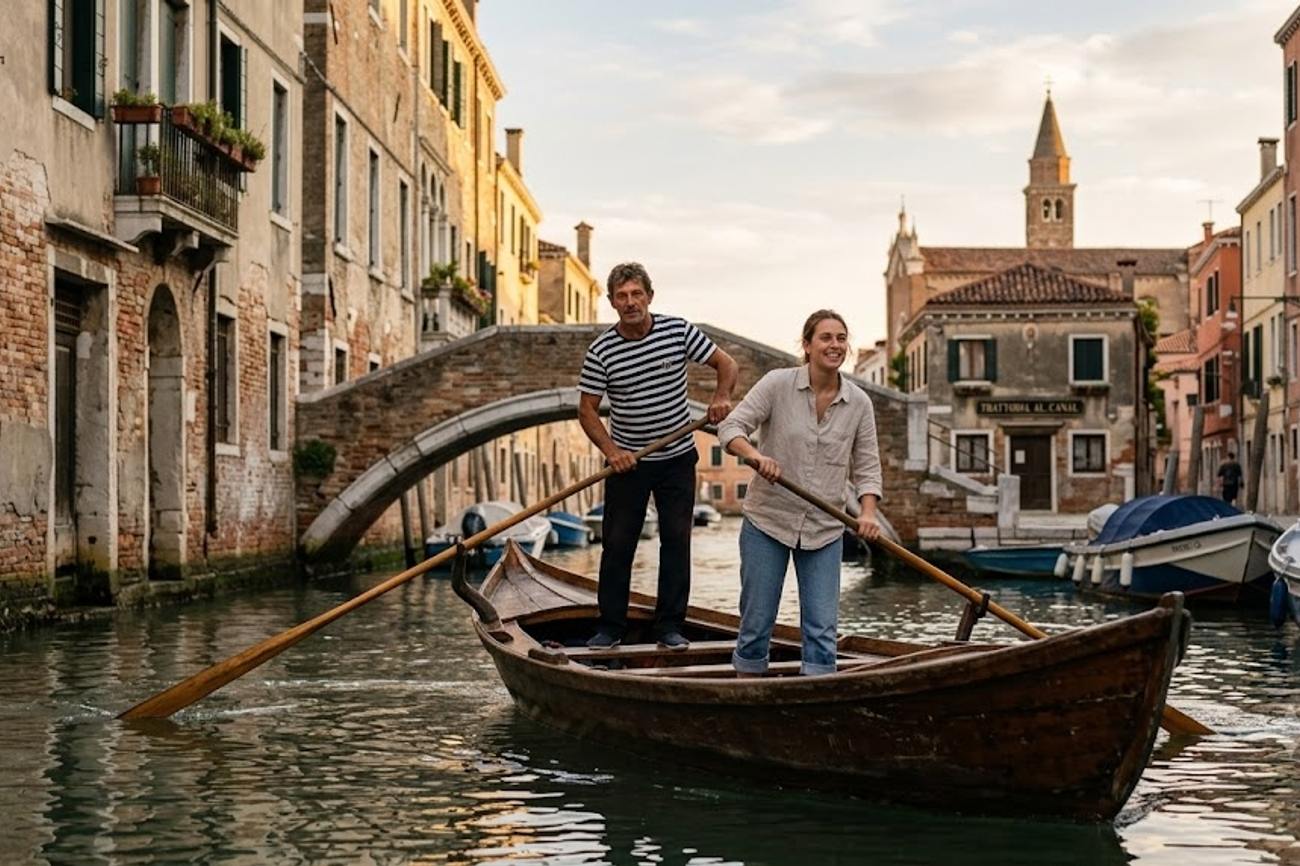
Image generated by AI
[Venice, September 13, 2026] — Venice is launching a systemic cultural revival aimed at transferring ancient maritime skills from aging artisans to a new generation of residents to prevent the "floating city" from becoming a hollow museum. The initiative focuses on the preservation of traditional boat building, lagoon navigation, and rowing techniques, ensuring the city's identity remains rooted in living craftsmanship rather than just architectural monuments.
The movement comes as the UNESCO World Heritage Centre continues to monitor the fragile balance between the city's natural lagoon environment and the immense pressure of global tourism. By incentivizing young Venetians to enter traditional water-based professions, local authorities aim to stabilize the resident population and protect the intangible heritage that defines the region's maritime history.
The Catalyst for Cultural Preservation
The immediate trigger for this revival is the widening gap between Venice's status as a global tourist magnet and the decline of its functional, living community. For centuries, the city's survival depended on a sophisticated understanding of the lagoon—a complex ecosystem where water served as the primary infrastructure for trade and transport.
As economic patterns shifted toward high-volume tourism, traditional workshops and maritime apprenticeships began to vanish. The current push for "Italy Travel Revival" is a direct response to this erosion. The goal is to move beyond the preservation of stone and mortar and instead save the human skills—such as specialized boat maintenance and lagoon management—that allowed Venice to evolve from a series of small island settlements into a dominant maritime power.
Who Is Affected
The impact of this cultural shift extends across several specific demographics and sectors within the Venetian economy:
- Young Venetians: New entrants into the workforce are being encouraged to pursue apprenticeships in rowing, navigation, and traditional craftsmanship to secure local employment.
- Master Artisans: The older generation of boat builders and gondoliers is now tasked with formalizing the transfer of "tacit knowledge" to prevent these skills from disappearing.
- Cultural Tourists: Visitors are shifting away from passive sightseeing toward "meaningful journeys," increasing demand for heritage workshops and authentic lagoon experiences.
- Local Businesses: Traditional workshops are being repositioned as central pillars of the tourism experience, moving away from generic souvenir retail toward skill-based cultural tourism.
- Regulatory Bodies: The Municipality of Venice (Comune di Venezia) is integrating these cultural goals with broader city management strategies.
What This Means for Travelers
For the modern traveler, this shift represents a fundamental change in how Venice is experienced. The city is actively pivoting away from a model of mass tourism toward a sustainable, value-driven approach.
Direct Passenger and Visitor Impacts:
- Shift in Experience: Travelers can expect more opportunities to engage with living history. Instead of merely photographing a gondola, visitors will find more structured ways to learn about the craftsmanship and lagoon ecology behind the vessel.
- Access Restrictions: To protect these living traditions, the city is doubling down on visitor flow management. The experimental Venice Access Fee system remains in effect for 2026, requiring advance bookings and contributions during peak periods to reduce overcrowding in the historic center.
- New Itineraries: There is a growing trend toward "lagoon tourism," pushing visitors out of the congested St. Mark’s Square and into the outlying island communities where traditional water professions are still practiced.
- Higher Value, Lower Volume: The focus is shifting toward "slow travel." Visitors who seek authentic interactions with local artisans will find more access, while those seeking traditional "hit-and-run" sightseeing may find more restrictions.
The Future of the Lagoon
The long-term survival of Venice depends on its ability to remain a functioning city rather than a curated exhibit. UNESCO has previously warned that the replacement of traditional activities with visitor-focused businesses threatens the city's World Heritage status.
The next phase of this revival involves integrating traditional crafts into the formal tourism economy. By transforming boat-building and lagoon navigation into viable, modern careers, Venice hopes to attract a permanent population of skilled youth. This strategy aims to mitigate the "museumification" of the city, where the only remaining residents are those serving the tourism industry.
Furthermore, the integration of the Access Fee system in 2026 serves as a financial and logistical tool to ensure that the city's infrastructure can support both its residents and its guests. The objective is to create a symbiotic relationship where tourism revenue directly funds the preservation of the very traditions that attract visitors in the first place.
FAQ: Venice Cultural Preservation 2026
Do I need to pay a fee to enter Venice in 2026? Yes, the Municipality of Venice has confirmed the experimental access contribution system for 2026. Visitors are encouraged to use the official booking systems in advance to manage flow and secure entry during peak dates.
What is the "Italy Travel Revival" exactly? It is a cultural initiative to save Venice's maritime identity. It focuses on teaching younger generations traditional skills—like boat building and lagoon navigation—to ensure the city remains a living community rather than just a tourist site.
How can I find authentic craft experiences in Venice? Travelers are encouraged to look beyond the main tourist hubs and explore lagoon communities and certified heritage workshops. These experiences focus on the actual craftsmanship of the city's water traditions.
Why is UNESCO involved in Venice's local jobs? UNESCO recognizes Venice and its Lagoon as a World Heritage site. Because the city's value lies in the relationship between humans and the water environment, the loss of traditional maritime skills would diminish its universal cultural value.
Venice is betting that its future lies in the hands of its youngest sailors.
#Venice2026 #UNESCOWorldHeritage #ComuneDiVenezia #LagoonCulture #MaritimeHeritage #ItalySustainableTourism
Related Travel Guides
- Dubai Travel Boom As Viral TikTok Products Turn Food Hunting Into A New Global Grocery Tourism Trend
- Greece Creates The Ultimate October Travel Escape With Santorini, Mykonos, Corfu And Kefalonia Island Adventures
- Australia’s Tourism Industry Gains Momentum As Seasonal Workers Support Regional Jobs And Economic Growth
Disclaimer
This article is for informational and educational purposes only. It does not constitute legal, financial, or professional advice. While we strive to provide accurate and up-to-date information, travel policies, regulations, and conditions change rapidly. Always verify information with official sources before making travel decisions. Nomad Lawyer makes no representations about the accuracy, reliability, completeness, or suitability of the information provided. Readers should consult qualified professionals for advice specific to their circumstances. The views expressed in this article are those of the author and do not necessarily reflect the views of Nomad Lawyer.
Naina Thakur
Contributor & Travel Specialist
Travel enthusiast and legal writer covering visa regulations, responsible tourism, and cultural journeys across global destinations.
Learn more about our team →