
California Aligns With Nevada And More Places In US As 20% Canadian Visitor Drop Triggers Massive Tourism Recovery Push
California Aligns With Nevada And More Places In US As 20% Canadian Visitor Drop Triggers Massive Tourism Recovery Push

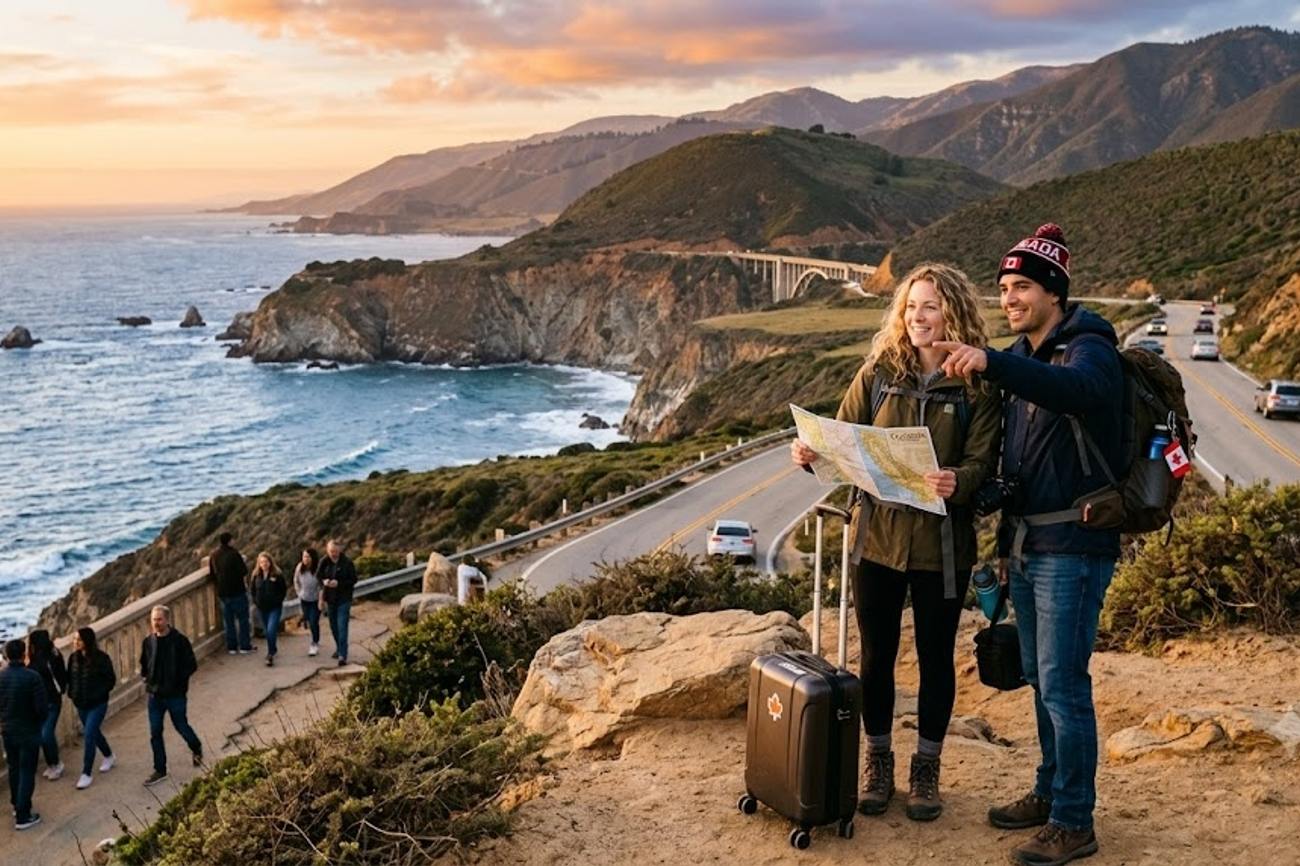
Image generated by AI
While most international travelers focus on the glitz of the Strip or the shores of Malibu, the real story of 2026 is the sudden silence of the "Snowbirds." California has witnessed a staggering 20% plunge in visitors from the Great White North, a shift that has sent shockwaves through the hospitality sectors of the West Coast and beyond.
The Great North American Pivot
For decades, the flow of Canadian travelers into the United States was as predictable as the tides. From the winter migrations to Florida to the summer road trips through the Sierras, Canadians were the bedrock of the U.S. international tourism economy, contributing over 20 million annual visits and billions of dollars in spending. However, 2026 has marked a volatile turning point.
The decline isn't just a matter of fluctuating budgets; it is a complex intersection of political friction and economic realignment. Trade disputes and tariff tensions between Washington and Ottawa have soured the mood of the average traveler, transforming a simple vacation choice into a political statement. This sentiment has pushed millions of Canadians to rediscover their own backyard, opting for the rugged peaks of British Columbia, the lakeside retreats of Ontario, the historic streets of Quebec, or the salt-sprayed coasts of Atlantic Canada.
State tourism boards in California, Nevada, Florida, New York, Vermont, Maine, Alaska, and Arizona are now locked in a high-stakes competition to win back this lucrative demographic. They are no longer just selling destinations; they are attempting to repair a diplomatic rift through the lens of hospitality.
What Makes the West Coast Experience Different
For the Canadian traveler, California and Nevada have always offered a specific brand of escapism that domestic Canadian travel cannot replicate. It is the contrast of extremes: the high-octane energy of the Las Vegas Strip versus the silent, ancient groves of the Sequoia National Park.
In California, the draw is the diversity of the "complete holiday." A single trip can encompass the cinematic allure of Los Angeles, the fog-swept hills of San Francisco, and the family-centric magic of the Disneyland region. The state's national parks, managed by the National Park Service, provide a scale of wilderness that appeals to the Canadian outdoor ethos but with a distinctly Mediterranean climate.
Nevada, conversely, serves as the entertainment capital of the continent. For Canadians, Las Vegas isn't just about the casinos; it is a hub for world-class concerts, residency shows, and high-end retail. The current recovery efforts in Nevada are focusing on "currency-friendly" deals and specialized packages to offset the exchange rate pressures that have made the U.S. dollar feel prohibitively expensive for many families in 2026.
Visitor Insider Tips
If you are planning a trip to the Western U.S. during this recovery phase, there are several ways to navigate the region like a local and take advantage of the current market shift.
Timing the Visit To avoid the heaviest crowds while still enjoying the weather, target the "shoulder seasons." In California, visit in late September or October. The summer crowds have vanished, the grapes are being harvested in Napa and Sonoma, and the coastal fog often clears for the most vivid sunsets of the year.
Transport Hacks Avoid the trap of renting a car at the airport. Instead, use off-site rental agencies or explore the regional rail options. For those tackling the California coast, the Pacific Coast Highway is legendary, but the "insider" move is to travel North to South. This puts your car in the lane closest to the ocean, making it easier to pull over at unmarked overlooks.
Etiquette and Local Rhythms In cities like San Francisco and Los Angeles, the "local" pace is slower than the tourist expectation. Embrace the "slow travel" movement. Instead of hitting five landmarks in one day, pick one neighborhood—like Silver Lake in LA or the Mission District in SF—and spend the afternoon in a local coffee shop.
Regional Specialties Beyond the standard fare, seek out the fusion cuisines that define the West Coast. In California, look for authentic Baja-style fish tacos in San Diego. In Nevada, venture off the Strip to find the authentic Basque dining traditions that have existed in the region since the early 20th century.
Cultural and Environmental Context
The current dip in Canadian tourism highlights a precarious dependency. For years, border communities and winter resorts built their entire economic infrastructure around the "Snowbird" cycle. When political tensions rise or currency values shift, these towns face immediate financial instability. This has sparked a conversation about "tourism diversification"—the need for U.S. states to attract a more varied mix of international visitors so they aren't vulnerable to the whims of a single neighboring country.
Environmentally, the push for "outdoor tourism marketing" in California brings a double-edged sword. While the UNESCO World Heritage sites and national parks are primary draws, the increase in road-trip promotion puts pressure on fragile ecosystems. Local communities are increasingly pushing for sustainable travel models, encouraging visitors to use electric vehicle charging networks and adhere to "Leave No Trace" principles to ensure that the recovery of the tourism economy doesn't come at the cost of the natural environment.
The effort to rebuild trust with Canadian visitors is also a lesson in cultural diplomacy. Tourism boards are moving away from generic ads and toward messaging that emphasizes shared values and welcoming atmospheres, recognizing that the traveler's emotional state is just as important as the price of the hotel room.
FAQ: Visiting the US West Coast 2026
What is the best time to visit California and Nevada? Spring (March to May) and Autumn (September to November) offer the best balance of mild weather and lower hotel rates. Summer is peak season for family travel and can be oppressively hot in Nevada.
Do I need a visa to enter the US from Canada? Canadian citizens generally do not require a visa for tourism visits to the U.S., though a valid passport is mandatory. Always check the latest U.S. Customs and Border Protection guidelines before traveling.
How do I get from Los Angeles to Las Vegas? The most common method is a 4-hour drive via I-15. For those avoiding the road, short-haul flights are frequent and affordable, though airport security wait times can be significant during holiday weekends.
Is it safe for solo travelers in these regions? Yes, both California and Nevada are well-equipped for solo travelers. Stick to well-lit areas in major cities, use reputable ride-share apps, and stay in hostels or hotels with high guest ratings.
The border may be a line on a map, but the bridge back to travel is built on a single, welcoming smile.
#CaliforniaTravel2026 #NevadaTourism #CanadianTravelers #USWestCoastTrip #SnowbirdMigration #VisitCalifornia
Related Travel Guides
- Fiji Issues Major Travel And Marine Alert As Powerful Swells Bring Dangerous Sea Conditions Across Coastal Waters
- Saudi Arabia Tourism Enters Critical Phase As East-West Oil Pipeline Closure Raises Global Crude Oil, LPG And LNG Supply Security Questions
- UK Travel Alert As 25C Heat Surge Returns With Met Office Revealing England’s 17 Hottest Monday Spots
Disclaimer
This article is for informational and educational purposes only. It does not constitute legal, financial, or professional advice. While we strive to provide accurate and up-to-date information, travel policies, regulations, and conditions change rapidly. Always verify information with official sources before making travel decisions. Nomad Lawyer makes no representations about the accuracy, reliability, completeness, or suitability of the information provided. Readers should consult qualified professionals for advice specific to their circumstances. The views expressed in this article are those of the author and do not necessarily reflect the views of Nomad Lawyer.
Kunal K Choudhary
Co-Founder & Contributor
A passionate traveller and tech enthusiast. Kunal contributes to the vision and growth of Nomad Lawyer, bringing fresh perspectives and driving the community forward.
Learn more about our team →