
Saudi Arabia Tourism Enters Critical Phase As East-West Oil Pipeline Closure Raises Global Crude Oil, LPG And LNG Supply Security Questions
Saudi Arabia Tourism Enters Critical Phase As East-West Oil Pipeline Closure Raises Global Crude Oil, LPG And LNG Supply Security Questions

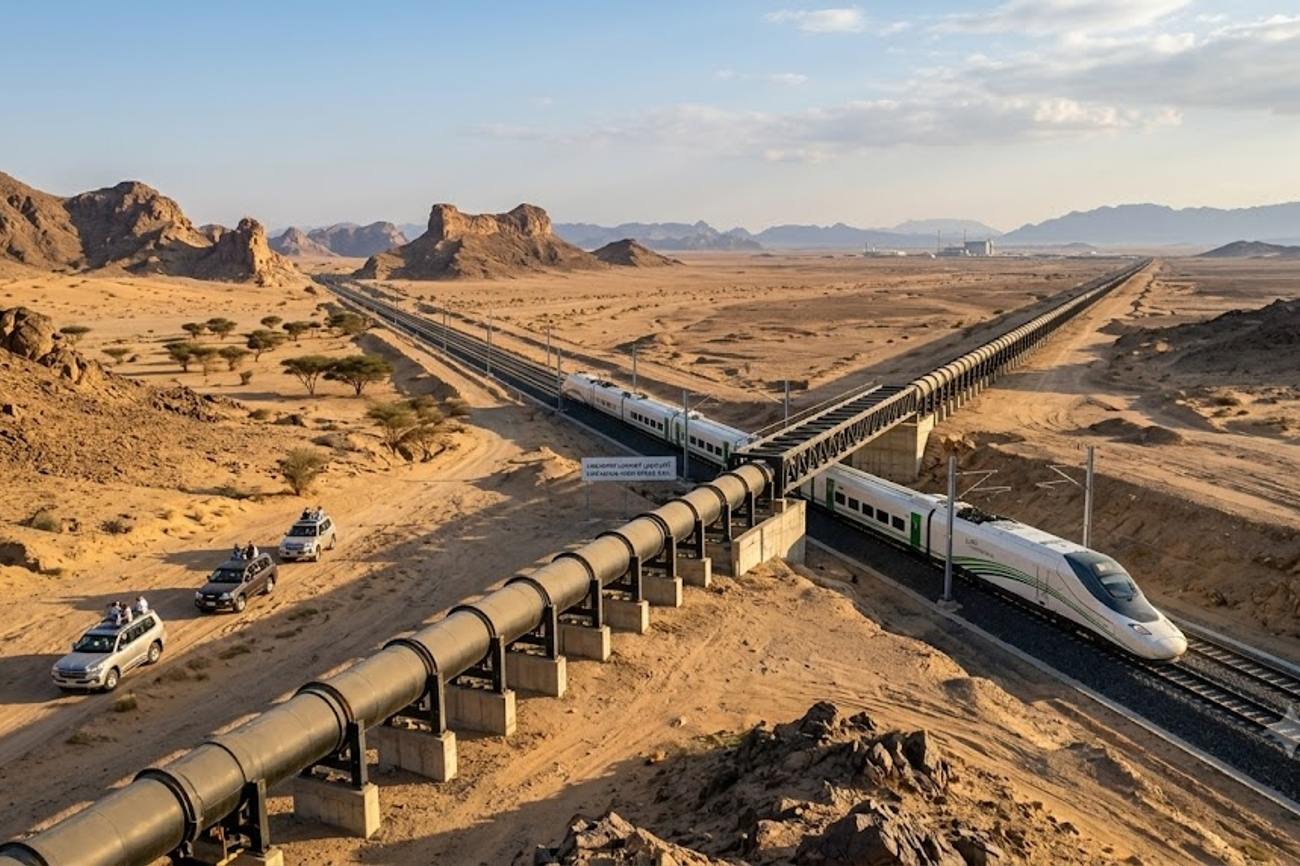
Image generated by AI
A temporary closure of the East-West Oil Pipeline—a critical energy artery connecting Saudi Arabia's eastern oil fields to Red Sea export facilities—has triggered a complex security crisis that threatens to intersect with the Kingdom's aggressive 2026 tourism targets. While the Ministry of Energy has confirmed the shutdown is a precautionary measure following multiple attacks in the Riyadh and Madinah regions that resulted in several injuries, the ripple effects extend far beyond the energy sector. For a nation attempting to pivot its global identity from an oil superpower to a premier luxury travel destination under Vision 2030, the vulnerability of its national infrastructure creates a precarious tension between energy security and tourist confidence.
The Strategic Vulnerability of the Petroline
The East-West Pipeline, commonly referred to as the Petroline, is not merely a piece of industrial equipment; it is a geopolitical hedge. By transporting crude oil directly to the Red Sea, Saudi Arabia reduces its systemic reliance on the Strait of Hormuz, a maritime chokepoint frequently subject to international tension. The current shutdown, necessitated by the need for emergency technical teams to secure the facility and assess structural integrity, exposes a critical flaw in the Kingdom's security architecture: the difficulty of protecting thousands of kilometers of linear infrastructure against asymmetric attacks.
The timing of this disruption is particularly volatile. Saudi Arabia is currently in a high-stakes transition period, attempting to decouple its GDP from hydrocarbon volatility. However, as the current crisis demonstrates, the tourism sector remains parasitically linked to the energy sector. The very infrastructure that funds the luxury resorts of the Red Sea and the futuristic grids of NEOM is the same infrastructure now under threat.
Market Volatility and Logistics Data
The closure does not represent a total cessation of exports, but it introduces a variable of uncertainty that global markets react to instantaneously. Because the Kingdom remains a primary driver of global supply, any perceived instability in its internal transport mechanisms translates into price volatility for multiple energy products.
| Energy Sector | Primary Risk Factor | Expected Market Reaction |
|---|---|---|
| Crude Oil | Supply stability concerns | Increased price volatility and speculative hedging |
| LPG | Regional supply chain pressure | Tightening of regional availability and cost hikes |
| LNG | Middle East security sensitivity | Heightened market nervousness regarding Gulf stability |
| Shipping | Route diversification | Increased reliance on alternative, potentially costlier maritime paths |
| Global Economy | Energy-driven inflation | Upward pressure on transport and industrial costs |
The logistical fallout extends to the aviation sector. Airlines, which operate on razor-thin margins and are the largest consumers of fuel, are hypersensitive to these shifts. Any prolonged energy instability typically manifests as a spike in jet fuel costs, which is then passed directly to the consumer via fuel surnames or increased base fares for flights into Riyadh, Jeddah, and Dammam.
Expert Analysis: The Perception Gap in Luxury Tourism
For travelers booking routes into the Kingdom, the direct consequence is not a lack of available hotel rooms or flights—as airports and resorts remain fully operational—but a shift in the "risk-reward" calculus of the trip. In the luxury travel segment, where Saudi Arabia is competing with established hubs like Dubai or Singapore, the perception of safety is the primary currency.
The pricing pressure created by energy volatility is the secondary concern; the primary concern is the psychological impact of "critical infrastructure failure." When a state announces that its primary oil artery has been attacked, it sends a signal to high-net-worth individuals and corporate travel planners that the regional security environment is fluid. For the International Air Transport Association (IATA), such instability often correlates with a temporary dip in load factors for the affected region as cautious travelers delay bookings.
Furthermore, the reliance on international connectivity means that Saudi Arabia's tourism ambitions are tethered to global aviation health. If the pipeline crisis contributes to a broader spike in energy costs, the cost of accessing the Kingdom increases. This creates a double-edged sword: the Kingdom must spend more on security and infrastructure repair while simultaneously facing a potential decline in visitor arrivals due to higher ticket prices and heightened security perceptions. The resilience of Vision 2030 now depends on the government's ability to decouple the "energy crisis" narrative from the "tourism experience" narrative.
Key Takeaways
- Infrastructure Risk: The shutdown of the East-West Pipeline (Petroline) follows attacks in Riyadh and Madinah, highlighting vulnerabilities in the route from eastern fields to the Red Sea.
- Energy Linkage: While oil exports have not halted, the closure threatens the stability of Crude Oil, LPG, and LNG markets, potentially driving up global energy inflation.
- Tourism Sensitivity: Luxury projects including AlUla, NEOM, and the Red Sea resorts are operationally unaffected but remain vulnerable to shifts in international traveler confidence.
- Aviation Costs: Energy market uncertainty typically leads to increased airline operating expenses, which may result in higher airfares for visitors to the Kingdom.
- Strategic Hedge: The crisis underscores the importance of the Petroline in bypassing the Strait of Hormuz, making its security a matter of global economic stability.
FAQ: Saudi Arabia Travel 2026
Are flights to Saudi Arabia cancelled due to the pipeline closure? No. Airports in Riyadh, Jeddah, and Dammam remain fully operational. The pipeline shutdown is an industrial and security matter and has not resulted in the closure of civilian airspace or airport terminals.
Will hotel and tour prices increase because of this crisis? Directly, no. However, if the energy crisis leads to a sustained increase in global fuel prices, ground transportation and inclusive holiday packages may see price adjustments to cover higher operational costs.
Is it safe to visit the Riyadh and Madinah regions right now? Tourism activities continue, and the government has deployed specialized teams to secure the affected infrastructure. Travelers should monitor official updates from the Saudi Tourism Authority and their respective embassies for current travel advisories.
How does an oil pipeline affect a luxury vacation in AlUla or NEOM? The impact is primarily perceptual. While your resort will have power and service, the broader regional instability may prompt some travel insurance providers to update their risk assessments or some travelers to postpone their visits.
The Kingdom's gamble on tourism is now a race between the speed of its luxury development and the volatility of its energy security.
#SaudiArabia2026 #PetrolineCrisis #Vision2030Tourism #GlobalEnergySecurity #RedSeaTourism #RiyadhSecurity
Related Travel Guides
- UK Travel Alert As 25C Heat Surge Returns With Met Office Revealing England’s 17 Hottest Monday Spots
- UK Aligns With Uzbekistan US And Other Countries Evaluating Unprecedented State Security For International VIP Travellers
- Tulsa Broken Arrow Expressway Crash Changes Westbound Travel as Emergency Response Continues in the United States
Disclaimer
This article is for informational and educational purposes only. It does not constitute legal, financial, or professional advice. While we strive to provide accurate and up-to-date information, travel policies, regulations, and conditions change rapidly. Always verify information with official sources before making travel decisions. Nomad Lawyer makes no representations about the accuracy, reliability, completeness, or suitability of the information provided. Readers should consult qualified professionals for advice specific to their circumstances. The views expressed in this article are those of the author and do not necessarily reflect the views of Nomad Lawyer.
Raushan Kumar
Founder & Lead Developer
Full-stack developer with 11+ years of experience and a passionate traveller. Raushan built Nomad Lawyer from the ground up with a vision to create the best travel and law experience on the web.
Learn more about our team →