
Brazil Joins Colombia and More as Vive Lima 2026 Targets Longer Stays and Stronger Peru Urban Tourism Growth: What You Need to Know
Brazil Joins Colombia and More as Vive Lima 2026 Targets Longer Stays and Stronger Peru Urban Tourism Growth: What You Need to Know

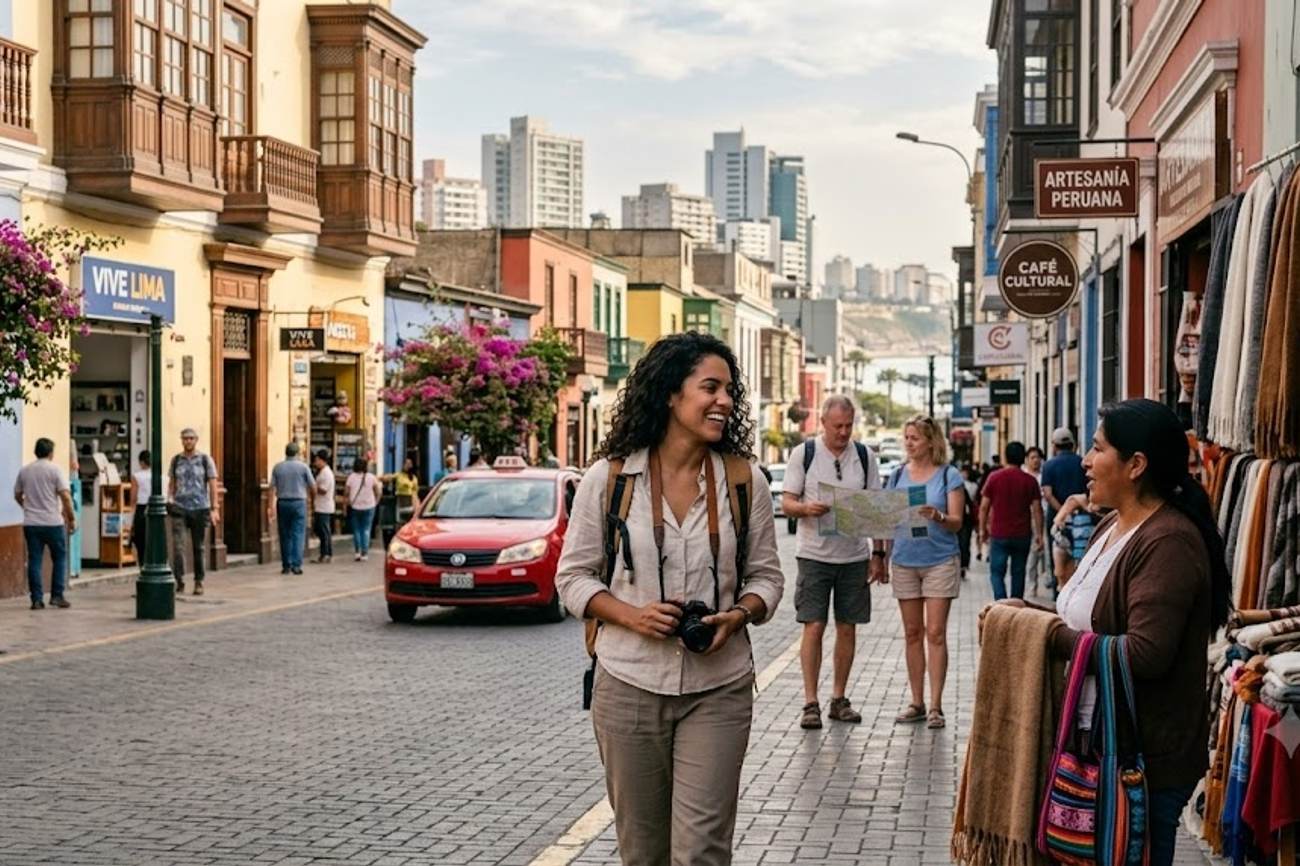
Image generated by AI
Planning a stopover in Peru’s capital? You may find that Lima is transitioning from a mere transit hub into a primary destination with the launch of the Vive Lima 2026 initiative. If you previously viewed the city as nothing more than a gateway to Cusco or the Amazon, the current logistics and tourism shift suggests you should now budget three to five days for the city itself.
The Vive Lima 2026 Urban Strategy
The Peruvian government, through MINCETUR and PROMPERÚ, has launched Vive Lima 2026 to pivot the city's image from a transit point to a standalone urban destination. The strategy specifically targets five South American markets—Chile, Ecuador, Brazil, Colombia, and Argentina—which collectively represent nearly 44% of all inbound tourism to Peru.
The objective is to extend the average visitor stay to a window of three to five days. To achieve this, the city is centering its appeal on five specific pillars: high-end gastronomy and cocktails, living cultural heritage, Pacific coast experiences, shopping and design, and a calendar of major concerts and events. By diversifying the attraction beyond traditional sightseeing, the government expects a 6% increase in visitors from these priority markets and an additional US$30 million in foreign exchange during the first year of the program.
Route and Schedule Details
The success of this urban growth strategy relies heavily on the capacity of the primary aviation hub. As of the official update on August 27, 2026, the connectivity metrics for the capital are as follows:
| Route Category | Count | Operating Airlines | Projected 2026 Traffic |
|---|---|---|---|
| International Destinations | 43 | 22 Total | 26.5 Million Passengers |
| Domestic Destinations | 19 | Included above | Included above |
| Total Destinations | 62 | Included above | Included above |
Traveler Logistics Guide
Navigating Lima requires a shift in how you plan your itinerary. If you are arriving from one of the priority regional markets, follow these practical steps to optimize your transit and stay.
1. Optimal Layover and Stay Duration Avoid the common mistake of booking a 12-hour layover. To experience the "Vive Lima" pillars, schedule a minimum of 72 to 120 hours. This allows you to split your time between the historic center, the gastronomic hubs of Miraflores and San Isidro, and the coastal cliffs of the Pacific.
2. Airport Transit and Ground Transport Upon arrival at Jorge Chávez International Airport (LIM), you will find a high volume of traffic, with projected totals reaching 26.5 million passengers by year-end. To avoid congestion:
- Use official airport taxi services or pre-booked private transfers.
- If you are heading to the Miraflores district, allow at least 60 to 90 minutes for transit depending on the time of day, as Lima's urban traffic is notoriously dense.
3. Digital Entry and Customs Ensure your travel documents are updated based on your country of origin. While regional travelers from the priority markets (Chile, Ecuador, Brazil, Colombia, and Argentina) often enjoy streamlined entry, always check the latest requirements via the Peru Ministry of Foreign Affairs.
4. Baggage Strategy for Multi-City Trips Many travelers use Lima as a connection to domestic sites. If you are adding a 3-5 day stay in the city:
- Confirm if your airline allows "stopover baggage" storage or if you must reclaim all luggage.
- If you are moving from an international flight to a domestic one (e.g., to Cusco), check if your airline provides seamless transfer or if you need to clear customs and re-check bags.
5. Booking Experiences With the focus on "living culture" and "gastronomy," the city's top-rated restaurants often require bookings weeks in advance. Integrate your dining reservations into your flight booking window rather than waiting until you land.
Regional Connectivity Impact
The concentration on five specific South American nations is a calculated move to leverage existing high-volume corridors. Data from January to July 2026 highlights the sheer scale of these markets:
- Chile: 414,167 arrivals
- Ecuador: 152,404 arrivals
- Brazil: 103,906 arrivals
- Colombia: 97,075 arrivals
- Argentina: 76,219 arrivals
Combined, these markets delivered 843,771 visitors to Peru in just seven months. By targeting these specific flows, the Vive Lima initiative reduces the reliance on long-haul flights from North America or Europe and instead capitalizes on short-haul urban travel. This regional focus makes Lima a more viable "weekend" or "short-break" destination for residents of Santiago, Quito, São Paulo, Bogotá, and Buenos Aires.
The expansion of the airport to 62 total destinations ensures that as the Vive Lima campaign grows, the infrastructure can support the projected 26.5 million passengers. This connectivity allows for more flexible routing, enabling travelers to combine a city break in Lima with a domestic excursion to any of the 19 internal destinations.
FAQ: Vive Lima Transit 2026
Do I need a transit visa for a short stay in Lima? Visa requirements depend on your nationality. However, citizens of the priority regional markets (Chile, Ecuador, Brazil, Colombia, and Argentina) generally have streamlined access. Always verify current status with your embassy or the official Peruvian immigration portal.
How long should I stay in Lima instead of just transiting? The Vive Lima 2026 initiative recommends a stay of three to five days. This duration is designed to allow visitors to explore the five pillars: gastronomy, culture, the coast, shopping, and local events.
Can I check my bags through to my final destination if I stay in Lima? This depends on your airline's policy and whether your flights are on a single ticket. If you are staying 3-5 days, you will typically need to reclaim your luggage upon arrival at Jorge Chávez International Airport.
What is the best way to get from the airport to the city center? Official airport taxis or pre-arranged transfers are the safest and most efficient options. Be mindful that traffic to major districts like Miraflores can be significant, often taking over an hour.
Stop treating the capital as a waiting room and start treating it as the destination.
#ViveLima2026 #JorgeChavezAirport #PeruUrbanTourism #SouthAmericaTransit #LimaLogistics2026
Related Travel Guides
Disclaimer
This article is for informational and educational purposes only. It does not constitute legal, financial, or professional advice. While we strive to provide accurate and up-to-date information, travel policies, regulations, and conditions change rapidly. Always verify information with official sources before making travel decisions. Nomad Lawyer makes no representations about the accuracy, reliability, completeness, or suitability of the information provided. Readers should consult qualified professionals for advice specific to their circumstances. The views expressed in this article are those of the author and do not necessarily reflect the views of Nomad Lawyer.
Naina Thakur
Contributor & Travel Specialist
Travel enthusiast and legal writer covering visa regulations, responsible tourism, and cultural journeys across global destinations.
Learn more about our team →