
Bhutan Keeps Its USD 100 Tourism Fee
Bhutan Keeps Its USD 100 Tourism Fee

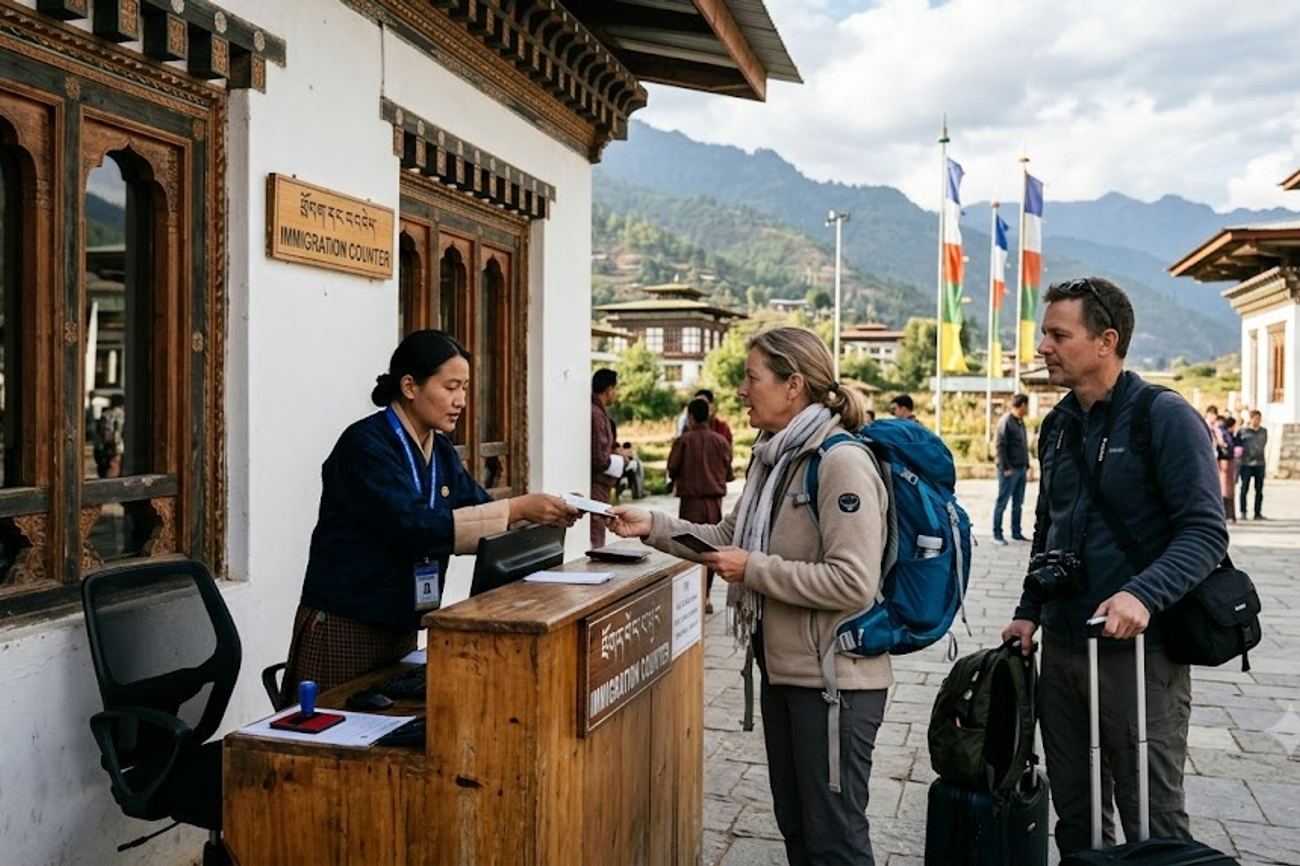
Image generated by AI
[Thimphu, October 2023] — The Royal Government of Bhutan has confirmed that the discounted Sustainable Development Fee (SDF) for international tourists will remain in effect through August 31, 2027. This policy provides long-term pricing stability for travelers planning visits to the Himalayan kingdom, maintaining the daily levy at USD 100 per person for most foreign adults.
The SDF serves as a strategic tool to manage tourism volume and fund national priorities. Revenue generated from the fee is earmarked for the Department of Tourism and various government initiatives, including the expansion of healthcare services, public education, infrastructure development, and the preservation of Bhutan's unique cultural and environmental heritage.
The SDF Pricing Structure
The current USD 100 rate represents a 50% reduction from the original statutory fee of USD 200 per night. This incentive was first introduced in September 2023 to stimulate the tourism sector and will now remain the standard for dollar-paying visitors for several more years.
The fee structure is tiered based on nationality and age:
- International Tourists (USD-paying): USD 100 per person, per night.
- Indian Nationals: Nu 1,200 per person, per night.
- Children and Qualified Visitors: Eligible for specific discounts (rates vary by age and qualification).
- Border-Town Visitors: A 24-hour SDF waiver is available for those staying within designated border areas, provided specific conditions are met.
Primary Tourism Hubs and Activities
Travelers entering the country typically anchor their itineraries in two primary locations: Thimphu and Paro.
Thimphu (The Capital) As the administrative center, Thimphu serves as the primary acclimation point for those adjusting to high altitudes. Key sites include:
- Tashichho Dzong: A fortress and monastery serving as the seat of government.
- Buddha Dordenma: One of the largest Buddha statues in the world.
- National Memorial Chorten: A prominent landmark for daily prayer and reflection.
Paro (The Gateway) Paro is the sole entry point for international flights via Paro International Airport. The region is defined by:
- Paro Taktsang (Tiger’s Nest): A cliffside monastery and the nation's most iconic hiking destination.
- Cultural Heritage: Access to historic dzongs, traditional Bhutanese architecture, and remote temples.
- Luxury Infrastructure: A growing sector of high-end wellness resorts and fine-dining establishments catering to the luxury market.
High-Altitude Trekking and Requirements
Autumn is the peak season for trekking due to clear skies and changing foliage. The government maintains strict safety and environmental protocols for mountain exploration.
Key Routes and Regulations:
- The Druk Path Trek: The primary route connecting Paro and Thimphu.
- Remote Expeditions: High-elevation routes into secluded valleys that require specialized gear and physical preparation.
- Mandatory Guides: All visitors traveling within Bhutan must be accompanied by an accredited guide. This is a non-negotiable requirement, particularly for trekking, to mitigate risks associated with weather volatility and altitude sickness.
Practical Traveler Advisory and Strategic Insights
For the average traveler, the SDF is a "top-line" cost that does not cover the actual logistics of the trip. It is a government tax, not a tour package.
Financial Impact Breakdown:
- The SDF is separate: The USD 100 daily fee does not include hotels, meals, transportation, or guide fees.
- Visa Costs: International visitors must pay a USD 40 visa fee, which is processed online and is distinct from the SDF.
- Budgeting: A visitor must budget for: [SDF] + [Visa Fee] + [Accommodation] + [Transport] + [Meals] + [Guide Services].
Booking Flexibility: Despite the fee structure, Bhutan has moved away from mandatory all-inclusive tour packages. Travelers can now arrange their own itineraries independently. However, while you can book your own hotels and transport, you must still hire a certified guide to satisfy legal entry requirements.
Bhutan continues to enforce its Sustainable Development Fee (SDF) of USD 100 per adult per night to manage tourism growth and preserve its cultural heritage. Travelers can find comprehensive details on visa requirements and current pricing through the Department of Tourism.
Future Outlook and Planning
The extension of the reduced SDF until August 2027 removes the risk of sudden price hikes for travelers planning trips for the 2024, 2025, and 2026 seasons. This predictability is intended to encourage longer stays and more diverse itineraries, pushing visitors beyond the Thimphu-Paro corridor into more remote regions.
The government continues to monitor the balance between tourism revenue and environmental impact. By keeping the SDF high relative to other regional destinations, Bhutan maintains its "High Value, Low Volume" tourism philosophy, ensuring that the influx of visitors does not overwhelm the country's infrastructure or dilute its cultural integrity.
FAQ: Bhutan Travel 2024-2027
Is the USD 100 SDF fee inclusive of my hotel and food? No. The Sustainable Development Fee is a mandatory government levy. All other expenses, including lodging, meals, transportation, and the required guide services, must be paid separately.
Do I need a tour operator to visit Bhutan? No, independent booking is permitted. You may arrange your own accommodation and transport, but you are legally required to employ an accredited guide for your travels within the country.
How do I apply for a Bhutanese visa? Visas for international travelers can be completed through the official online application portal. There is a non-refundable visa fee of USD 40.
Are there any exemptions to the daily SDF? Indian nationals pay a reduced rate of Nu 1,200 per night. Additionally, there is a 24-hour SDF waiver for visitors staying in specific designated border-town areas.
Planning for the Himalayas now requires a clear distinction between government levies and travel logistics.
Related Travel Guides
- Bhutan Transmutes Modern Travel Through Gross National Happiness Policies To Offer Visitors Profound Cultural Reflections
- Yellowstone Summer Tourism Moderates in 2026 as West Entrance Absorbs 43% of Park Traffic: Insider Survival Guide
- Uzbekistan Airways and flydubai Forge Landmark Interline Pact: Opening the Ancient Silk Road to Global Travelers in 2026
Disclaimer
This article is for informational and educational purposes only. It does not constitute legal, financial, or professional advice. While we strive to provide accurate and up-to-date information, travel policies, regulations, and conditions change rapidly. Always verify information with official sources before making travel decisions. Nomad Lawyer makes no representations about the accuracy, reliability, completeness, or suitability of the information provided. Readers should consult qualified professionals for advice specific to their circumstances. The views expressed in this article are those of the author and do not necessarily reflect the views of Nomad Lawyer.
Raushan Kumar
Founder & Lead Developer
Full-stack developer with 11+ years of experience and a passionate traveller. Raushan built Nomad Lawyer from the ground up with a vision to create the best travel and law experience on the web.
Learn more about our team →