
Belgium Travel Advisory 2026: Navigating Level 2 Security Alerts and Urban Crime Risks
Updated August 2026 security guidelines for Belgium highlight a Level 2 caution due to rising petty crime, terrorism threats, and transit disruptions in Brussels.

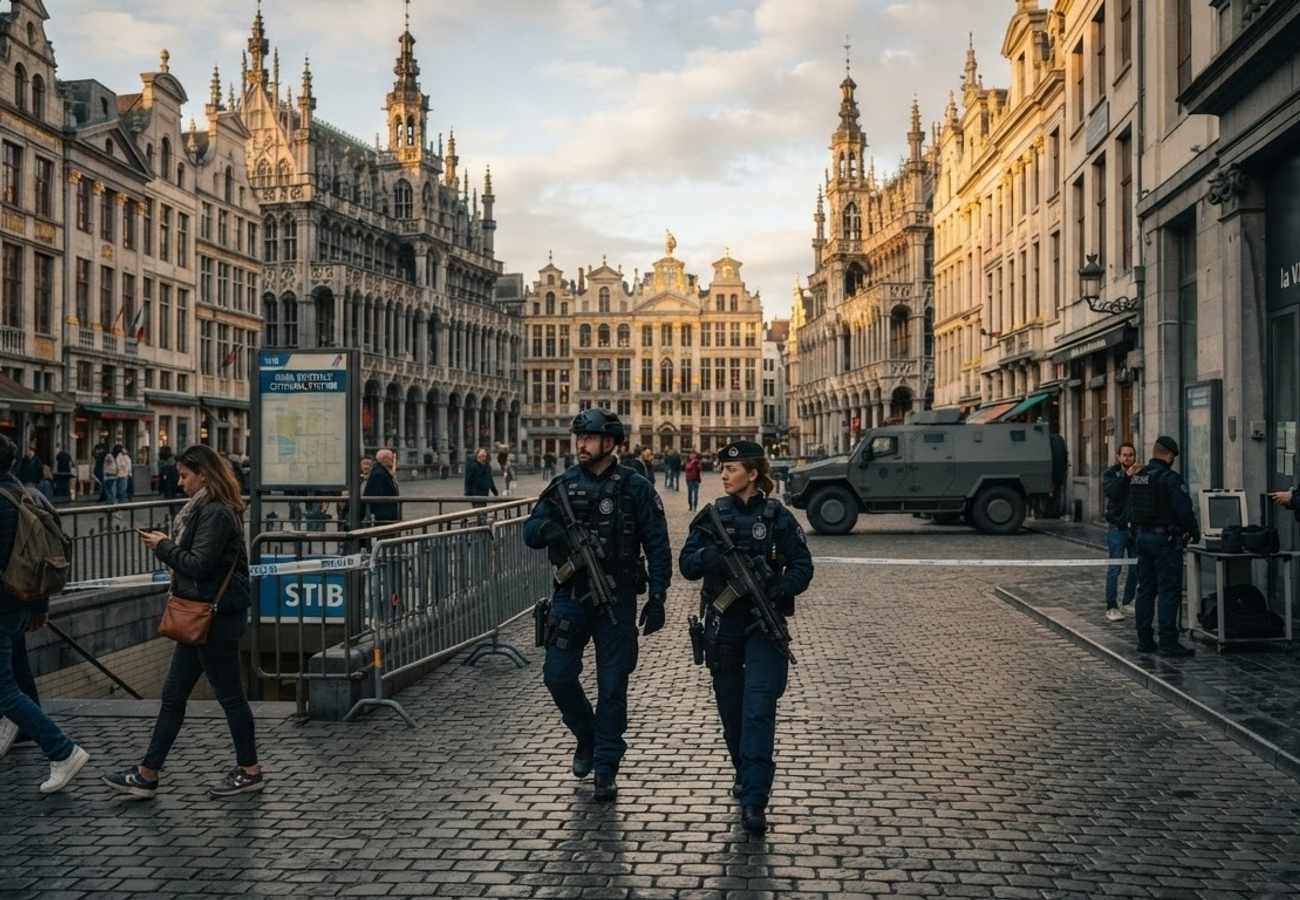
Image generated by AI
Government agencies from the US, Canada, and UK have issued urgent updates for Belgium as of August 4, 2026, citing a volatile mix of opportunistic crime and persistent security threats. Travelers are urged to move beyond casual touring and adopt a high-vigilance mindset to avoid targeted thefts and civil unrest.
The Shift in European Security Dynamics
The current travel climate in Belgium is defined by a paradoxical tension: the country remains a premier destination for art and gastronomy, yet it is currently operating under heightened security protocols. As of August 2026, the security environment is no longer static, with risks shifting rapidly across major metropolitan hubs.
The most significant trend is the professionalization of petty crime. We are seeing a move away from simple pickpocketing toward coordinated "distraction teams." These groups operate in high-traffic tourist zones, using scripted encounters—such as spilling drinks or offering unsolicited help—to isolate a victim's valuables. For the visitor, the real impact is a need for constant situational awareness, particularly in the Brussels-Capital Region, which has become an epicenter for these criminal spikes.
Global Government Risk Assessments
Three major international bodies have updated their stances to reflect the current instability:
- United States (State Department): Belgium is currently designated as Level 2: Exercise Increased Caution. This warning is driven by a combination of crime, terrorism, and civil unrest. While not a recommendation to avoid travel, it serves as a directive that a carefree approach to touring may result in security incidents.
- Canada (Government of Canada): Advises a "High Degree of Caution." The Canadian alert is specifically explicit regarding a surge in violent crimes and the unpredictable nature of the security environment in Brussels.
- United Kingdom (FCDO): Focuses on the unpredictability of general strikes and the potential for peaceful demonstrations to escalate into violent confrontations, alongside the ever-present threat of terrorism.
High-Risk Zones and Transit Vulnerabilities
Security concerns are not uniform across the country; they are heavily concentrated in transit corridors and urban centers.
The Brussels-Amsterdam Rail Corridor
A critical warning has been issued for the Brussels-Amsterdam train route. This specific corridor is now flagged as a high-risk zone for luggage theft. Criminals target lightweight bags in overhead compartments, striking while passengers are asleep or distracted by devices. To mitigate this, high-value electronics, passports, and cash must be kept on the lap or wedged beneath the feet.
Urban Crime Hotspots
The Brussels metro, particularly during late-night hours, remains a primary target for opportunistic theft. Beyond petty crime, there is a troubling rise in violent incidents, including shootings and stabbings within the Brussels-Capital Region. While tourists are rarely the primary targets, the risk of being a bystander in crossfire or targeted by organized gangs—especially those displaying luxury watches or jewelry—is elevated.
Terrorism and the National Threat Level
The most severe component of the 2026 advisory is the national threat level. Following a high-profile shooting in Brussels, Belgium's national threat level was raised to Level 3 on a scale of 4. This indicates that a terrorist attack is considered "possible and likely."
Security forces are currently prioritizing the protection of:
- Large public events, holiday markets, and political rallies.
- High-traffic restaurants, nightclubs, and luxury hotels.
- Public transportation networks (subways, regional trains, and airports).
- Educational institutions and places of worship.
Visitors should expect a heavily armed police and military presence. Sudden roadblocks, bag checks at museum entrances, and transit diversions are now standard operational procedures.
Visitor Insider Tips
To navigate Belgium safely in 2026, travelers should adopt these local strategies:
- The "Low-Profile" Aesthetic: Avoid wearing luxury brands or high-end jewelry in Brussels. Blend in with locals by using cross-body bags with secure zippers and keeping smartphones out of sight when not in use.
- Transit Timing: Avoid the Brussels metro during late-night hours. If you must travel, stay in the center of the carriage near the driver or other passengers.
- Strike Awareness: Monitor local news for "General Strikes." These can paralyze the rail network instantly. Have a backup ride-sharing app or a pre-arranged private transfer to avoid being stranded.
- Dining Safety: In crowded tourist squares, keep your bag on your lap or looped around a chair leg rather than hanging it on the back of a seat.
Tourism Outlook
The long-term impact of these security measures is a transition toward "managed tourism." While the presence of armed guards may seem jarring, it is a necessary response to the Level 3 threat status. The destination's viability depends on the balance between maintaining an open, welcoming atmosphere and the rigorous enforcement of counter-terrorism protocols. Travelers who adapt to these realities—by staying informed and remaining vigilant—will still find Belgium's cultural offerings rewarding.
Stay alert, stay informed, and prioritize security over convenience.
Related Travel Guides
Disclaimer
This article is for informational and educational purposes only. It does not constitute legal, financial, or professional advice. While we strive to provide accurate and up-to-date information, travel policies, regulations, and conditions change rapidly. Always verify information with official sources before making travel decisions. Nomad Lawyer makes no representations about the accuracy, reliability, completeness, or suitability of the information provided. Readers should consult qualified professionals for advice specific to their circumstances. The views expressed in this article are those of the author and do not necessarily reflect the views of Nomad Lawyer.
Kunal K Choudhary
Co-Founder & Contributor
A passionate traveller and tech enthusiast. Kunal contributes to the vision and growth of Nomad Lawyer, bringing fresh perspectives and driving the community forward.
Learn more about our team →