
Strike Iraqi Base in Anbar: A-10 Airstrike Kills Seven Soldiers
A U.S. A-10 airstrike on Habbaniyah military base in Anbar province kills seven Iraqi soldiers and injures 13+ others. The strike Iraqi base incident raises travel safety concerns for Iraq in 2026.

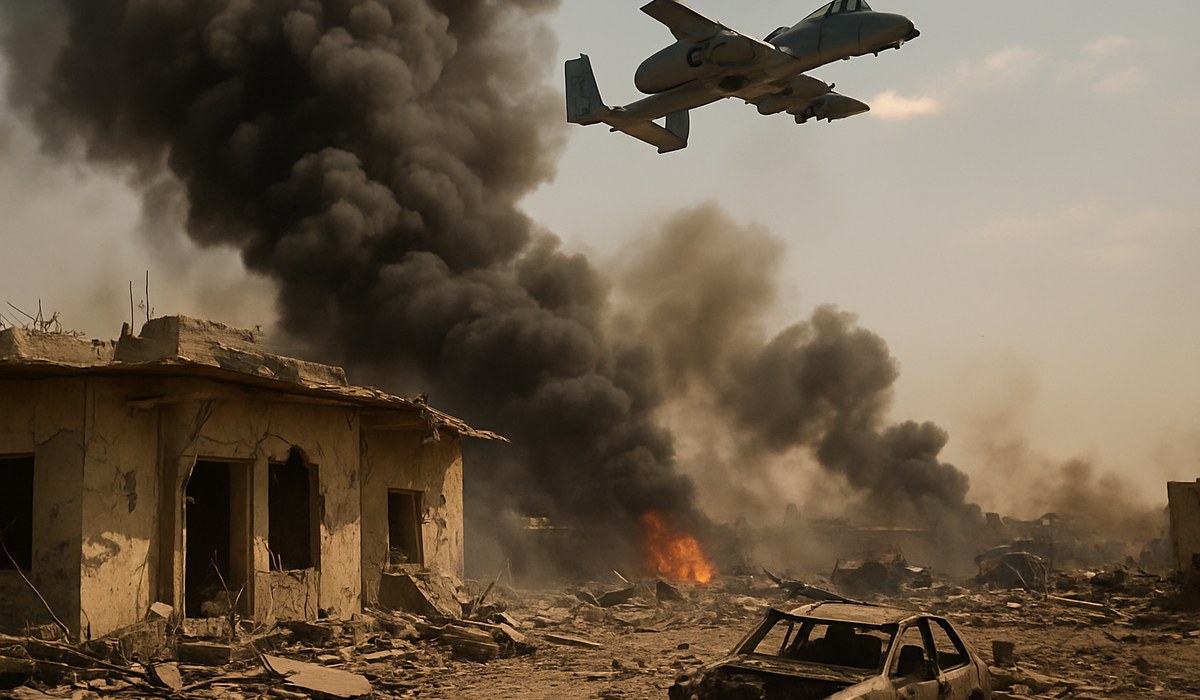
Image generated by AI
U.S. A-10 Airstrike on Habbaniyah Base Claims Seven Lives
A U.S. Air Force A-10 Thunderbolt II conducted a strike iraqi base operation at Habbaniyah military complex in western Anbar province on March 29, 2026, resulting in seven Iraqi soldiers killed and more than a dozen wounded. The incident occurred at a facility housing both regular Iraqi army personnel and units affiliated with the Popular Mobilization Forces. Video documentation and eyewitness accounts confirm the A-10 Warthog executed a low-altitude pass before delivering ordnance that struck medical and support infrastructure within the compound.
Iraqi military-linked sources reported the casualties occurred in non-frontline areas, specifically near the base clinic and engineering logistics section. The strike iraqi base event has triggered immediate diplomatic responses from Baghdad and intensified scrutiny over foreign military operations in Iraqi airspace during 2026.
Habbaniyah Military Complex: Strategic Location and Operational Role
The Habbaniyah base represents one of Iraq's most significant military installations in Anbar province. This sprawling complex serves dual operational roles—conducting counter-Islamic State missions while hosting forces with documented ties to Iranian-backed networks. The facility's strategic importance in western Iraq makes it a frequent hub for coalition coordination and intelligence gathering operations.
Habbaniyah's infrastructure includes command centers, ammunition depots, personnel barracks, and dedicated medical facilities. The base has maintained continuous operational status since Iraq's security restructuring began in 2024. Its location in Anbar positions it as a critical asset for monitoring militant activity across western Iraq's border regions. Learn more about Iraq security updates and base operations
Casualties and Collateral Damage: What Happened at the Strike Location
Seven Iraqi soldiers lost their lives when the A-10 strike iraqi base operation targeted the Habbaniyah compound. Thirteen additional military personnel sustained injuries ranging from moderate to severe. Iraqi security sources confirmed that most casualties occurred in support areas rather than combat zones, raising critical questions about targeting accuracy and intelligence reliability.
The munitions strike killed soldiers stationed in the clinic vicinity and the engineering section. These weren't front-line combatants but personnel performing essential support functions. Damage assessments documented destroyed medical equipment, compromised structural integrity in adjacent buildings, and contamination from ordnance residue. The location of the strike iraqi base incident near non-military infrastructure compounded the incident's political sensitivity within Iraq.
Baghdad's Official Response and Sovereignty Concerns
Iraqi government officials immediately condemned the airstrike as a violation of national sovereignty and existing security agreements. Baghdad demanded formal explanations from U.S. military command regarding targeting procedures and intelligence verification protocols. Prime Minister communications characterized the incident as unacceptable and contrary to joint defense framework understandings established during 2025-2026 security negotiations.
Parliamentary factions representing Shiite constituencies seized the moment to renew withdrawal demands for foreign military forces stationed throughout Iraq. Political commentators argued that the kills of seven soldiers at a domestic base demonstrated unacceptable risks inherent in extended foreign military presence. Simultaneously, moderate Iraqi voices urged measured investigation before drawing conclusions, emphasizing the need for deconfliction mechanism review between Iraqi and coalition forces. Read Iraq's statement on military cooperation
A-10 Thunderbolt II Operations: Capabilities and Controversy
The A-10 Warthog platform specializes in close air support missions through low-altitude loitering capability and precision targeting systems. The aircraft's heavy rotary cannon and extended endurance make it invaluable for dynamic battlefield environments. However, complex operational zones mixing civilian, military, and militia infrastructure increase misidentification risks when aircraft operate at tactical altitude.
Military analysts note that the strike iraqi base incident reflects broader challenges facing modern close air support platforms in contested airspace. When regular military forces occupy shared facilities with militia units, foreign air operations carry inherent collateral damage risks. The Habbaniyah base configuration—combining Iraqi army personnel with Iran-aligned militia formations on single compound—exemplifies these operational complications. A-10 operations in Iraq have drawn persistent scrutiny regarding incident rates and civilian casualty assessments throughout 2026.
Regional Tensions and Broader Strategic Context
The March 2026 strike iraqi base operation occurred within escalating regional tensions spanning multiple countries. Preceding months witnessed rocket, missile, and drone attacks targeting facilities housing U.S. and coalition personnel across Iraq and neighboring nations. U.S. military responses focused on eliminating what Washington classified as Iranian-aligned militia assets and launch infrastructure.
Baghdad has experienced mounting pressure balancing security cooperation with foreign powers against domestic political opposition to prolonged foreign military presence. Parliamentary debates intensify following each significant incident, with anti-American factions demanding immediate troop withdrawals while security-focused voices argue for continued counterterrorism partnership. The Habbaniyah strike kills seven soldiers scenario strengthens withdrawal advocates' argument that foreign operations pose unacceptable risks to Iraqi military personnel on Iraqi soil.
Travel Safety Implications for Iraq in 2026
| Factor | Status | Impact Level | Affected Region | Traveler Consideration | March 2026 Update |
|---|---|---|---|---|---|
| Military Airspace Activity | Elevated | High | Anbar Province | Avoid Anbar entirely | A-10 operations confirmed |
| Ground Security | Unstable | High | Western Iraq | Restrict to central Baghdad | Militia activity persists |
| Coalition Presence | Increasing | Medium | Nationwide | Indirect conflict risk | U.S. forces expanded operations |
| Transportation Routes | Compromised | High | Highway 1, Route 10 | Use only essential routes | Regular checkpoints intensified |
| International Airports | Operational | Low | Baghdad Int'l | Normal procedures | Security protocols standard |
| Diplomatic Relations | Strained | Medium | National | Political uncertainty | Government demands investigations |
What This Means for Travelers
Iraq remains extremely dangerous for leisure and business travel throughout March 2026 and beyond. The Habbaniyah base strike iraqi base incident demonstrates active military operations continue despite official counterterrorism progress. Travelers should implement these concrete safety measures:
-
Avoid Anbar Province entirely — including cities like Ramadi, Fallujah, and all rural areas. The strike iraqi base location confirms ongoing tactical aviation operations.
-
Remain in heavily secured international zones — Baghdad's Green Zone maintains 24/7 protection. Embassy districts offer verified security infrastructure.
-
Cancel non-essential travel — especially to western and northern Iraq regions. Military operations create unpredictable security environments.
-
Monitor airline schedules carefully — Baghdad International Airport operates normally, but military air activity may cause flight delays or diversions.
-
Register with your embassy — ensure official channels know your location and contact information before arrival.
-
Purchase comprehensive travel insurance — verify coverage includes evacuation from conflict zones and political violence scenarios.
-
Hire licensed security escorts — professional protection services provide real-time situational awareness in high-risk urban areas.
Frequently Asked Questions
How does the strike iraqi base incident affect civilian travel to Baghdad? Baghdad itself remains accessible for essential travel despite the Anbar province airstrike. International airports operate on normal schedules. However, travelers should expect enhanced security screening, possible flight delays from military air activity, and increased checkpoint questioning. Embassy presence confirms civilian travel possibility, though tourism and leisure visits remain inadvisable given the broader security environment.
What areas of Iraq should travelers absolutely avoid following the strike iraqi base operation? Anbar province including Ramadi, Fallujah, Haditha, and rural areas warrant complete avoidance. Western Iraq generally presents un
Disclaimer
This article is for informational and educational purposes only. It does not constitute legal, financial, or professional advice. While we strive to provide accurate and up-to-date information, travel policies, regulations, and conditions change rapidly. Always verify information with official sources before making travel decisions. Nomad Lawyer makes no representations about the accuracy, reliability, completeness, or suitability of the information provided. Readers should consult qualified professionals for advice specific to their circumstances. The views expressed in this article are those of the author and do not necessarily reflect the views of Nomad Lawyer.
Preeti Gunjan
Contributor & Community Manager
A passionate traveller and community builder. Preeti helps grow the Nomad Lawyer community, fostering engagement and bringing the reader experience to life.
Learn more about our team →