
Bangladesh Passport Holders Gain Easier Access to Timor-Leste, Cambodia and 4 Other Asian Destinations in 2026
Bangladeshi travelers now have streamlined entry to six Asian gateways, including Timor-Leste and Cambodia, via visa-on-arrival and ETA facilities as passport mobility improves.

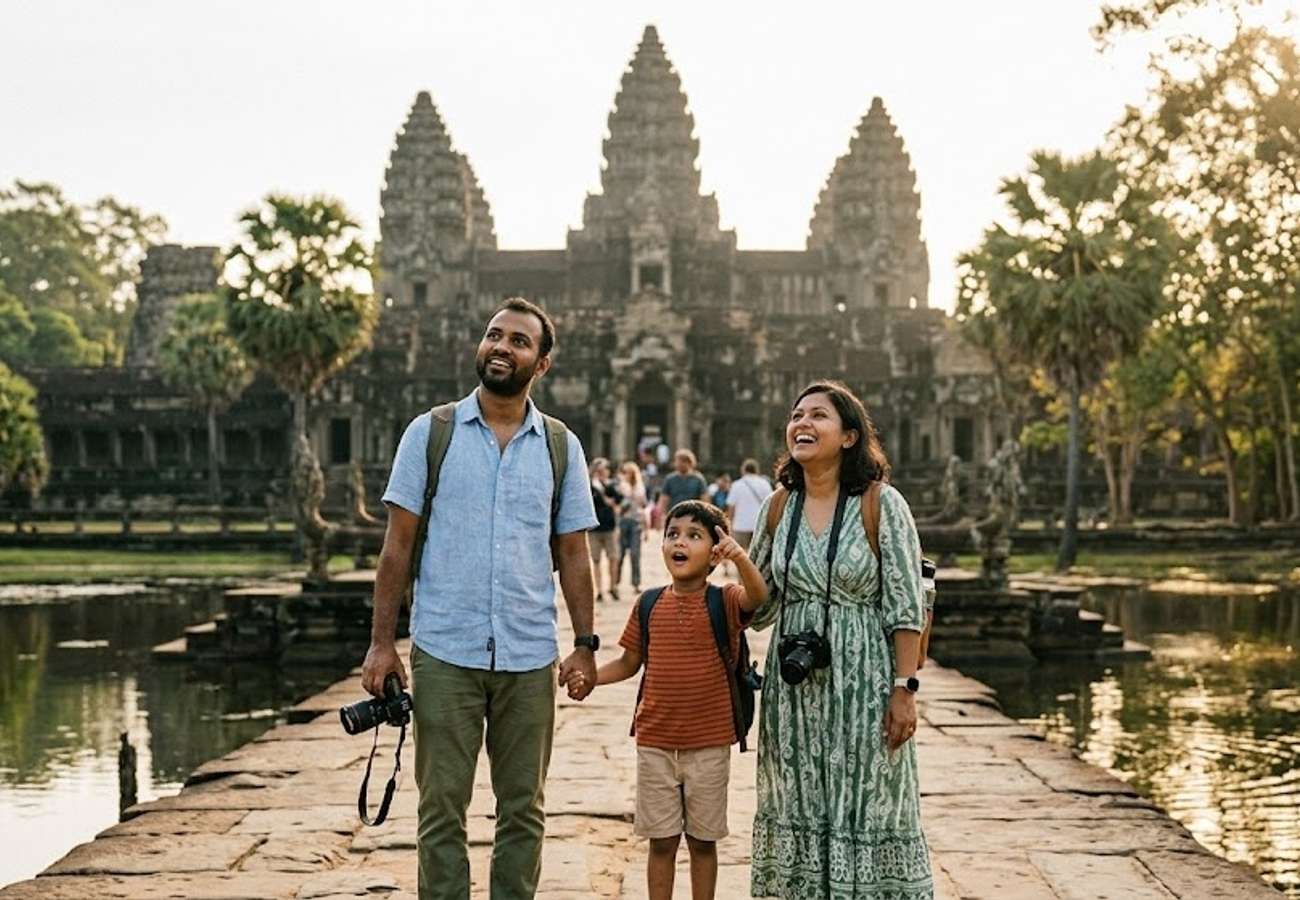
Image generated by AI
[Dhaka, July 27, 2026] — Bangladeshi citizens are experiencing a significant shift in international mobility as six Asian nations—Timor-Leste, Cambodia, Sri Lanka, Nepal, Bhutan, and the Maldives—implement simplified entry protocols. By utilizing visa-on-arrival (VOA) and Electronic Travel Authorisation (ETA) systems, these countries are lowering the barriers for travelers seeking Himalayan treks, tropical island retreats, and ancient cultural explorations.
This trend coincides with a slight uptick in global mobility for the region. According to the July 2026 Henley Passport Index, Bangladesh has climbed three positions to rank 97th globally. While this puts the country on par with North Korea, the shift reflects a steady, albeit slow, expansion in the ability of Bangladeshi nationals to traverse international borders.
Currently, holders of a Bangladeshi passport can enter 35 destinations worldwide without the need for a traditional pre-departure visa. The six highlighted Asian gateways are particularly strategic due to their proximity, making them the primary drivers for the country's growing outbound tourism sector.
Regional Shifts in Asian Travel Accessibility
The emergence of a regional travel corridor in Asia is fundamentally changing how Bangladeshi tourists plan their vacations. The shift toward regionalism is driven by practical logistics: shorter flight durations, more affordable travel packages, and a shared cultural affinity.
The move toward digitizing entry—through electronic authorizations and VOA systems—has made these destinations more competitive. By removing the friction of embassy visits and lengthy paperwork, these nations are actively courting the emerging middle-class traveler from Bangladesh.
The diversity of these six accessible hubs allows for a wide spectrum of travel styles. A single traveler could transition from the marine biodiversity of Timor-Leste to the high-altitude serenity of Bhutan or the historic temple complexes of Cambodia, all without the stress of complex visa applications.
Sri Lanka Optimizes Entry via Electronic Authorisation
Sri Lanka continues to be a top-tier choice for Bangladeshi tourists, leveraging a blend of coastal leisure and deep historical roots. The primary mechanism for entry is the Electronic Travel Authorisation (ETA), which permits an initial stay of up to 30 days.
The island's appeal is rooted in its varied tourism portfolio:
- Architectural Wonders: The fifth-century Sigiriya Rock Fortress remains a primary draw, offering a glimpse into ancient urban planning and stunning vistas.
- Biodiversity: Yala National Park serves as a hub for wildlife safaris, attracting those interested in leopards and elephants.
- Colonial History: The UNESCO-listed Galle Fort provides a walkable experience through colonial-era architecture and seaside commerce.
Nepal and Bhutan: Himalayan Gateways for Adventure
For those seeking altitude and spirituality, Nepal and Bhutan offer distinct yet complementary experiences.
In Nepal, Bangladeshi citizens can secure tourist visas upon arrival at designated entry points, most notably Tribhuvan International Airport in Kathmandu. This access opens the door to the Kathmandu Valley's sacred sites, including the Pashupatinath Temple and the historic Durbar Squares. Adventure seekers typically gravitate toward Pokhara for paragliding and Phewa Lake, or the Sagarmatha National Park for trekking in the shadow of Mount Everest.
Bhutan maintains a more exclusive approach to tourism, focusing on high-value, low-impact travel to preserve its cultural integrity. Bangladeshi passport holders can access the kingdom via visa-on-arrival. Key attractions include the cliff-hanging Tiger’s Nest Monastery near Paro, the traditional architecture of Punakha Dzong, and the natural landscapes of the Phobjikha Valley.
Maldives Transitions from Luxury to Inclusive Tourism
The Maldives remains a premier destination, offering Bangladeshi travelers a free 30-day tourist visa on arrival, provided standard entry conditions are met. While historically viewed as an enclave for ultra-luxury resorts, the destination is diversifying.
The capital, Malé, offers urban cultural experiences such as the National Museum and the Grand Friday Mosque. Simultaneously, the rise of "local island tourism" in places like Maafushi has made the Maldives accessible to budget-conscious travelers through guesthouses. Environmental tourism also remains a draw, specifically in the Baa Atoll's Hanifaru Bay, a UNESCO Biosphere Reserve famous for whale sharks and manta rays.
Cambodia and Timor-Leste Expand Southeast Asian Horizons
The inclusion of Cambodia and Timor-Leste represents a strategic expansion of travel options beyond the immediate South Asian neighborhood.
Cambodia utilizes a visa-on-arrival system to attract visitors to its vast archaeological treasures. The centerpiece is Angkor Wat, the world's largest religious monument. Beyond the temples, the Angkor Archaeological Park and the urban centers of Phnom Penh provide a comprehensive look at the region's complex history.
Timor-Leste is positioning itself as a new frontier for the adventurous. By aligning its entry policies with other accessible Asian nations, it invites Bangladeshi tourists to explore its untouched marine environments and rugged landscapes, offering a raw alternative to the more commercialized hubs of Southeast Asia.
Summary of Entry Requirements for Bangladesh Passport Holders
| Destination | Entry Mechanism | Typical Duration/Type | Primary Attraction |
|---|---|---|---|
| Sri Lanka | ETA (Electronic Travel Authorisation) | 30 Days | Sigiriya / Galle Fort |
| Nepal | Visa on Arrival | Tourist |
Disclaimer
This article is for informational and educational purposes only. It does not constitute legal, financial, or professional advice. While we strive to provide accurate and up-to-date information, travel policies, regulations, and conditions change rapidly. Always verify information with official sources before making travel decisions. Nomad Lawyer makes no representations about the accuracy, reliability, completeness, or suitability of the information provided. Readers should consult qualified professionals for advice specific to their circumstances. The views expressed in this article are those of the author and do not necessarily reflect the views of Nomad Lawyer.
Raushan Kumar
Founder & Lead Developer
Full-stack developer with 11+ years of experience and a passionate traveller. Raushan built Nomad Lawyer from the ground up with a vision to create the best travel and law experience on the web.
Learn more about our team →