
Austria's Historic Heatwave Sparks Concerns Over Alpine Tourism Safety
A record-breaking 41.2°C temperature in Bad Deutsch-Altenburg sparks safety alerts for summer hikers and outdoor recreation across Austria's alpine regions.

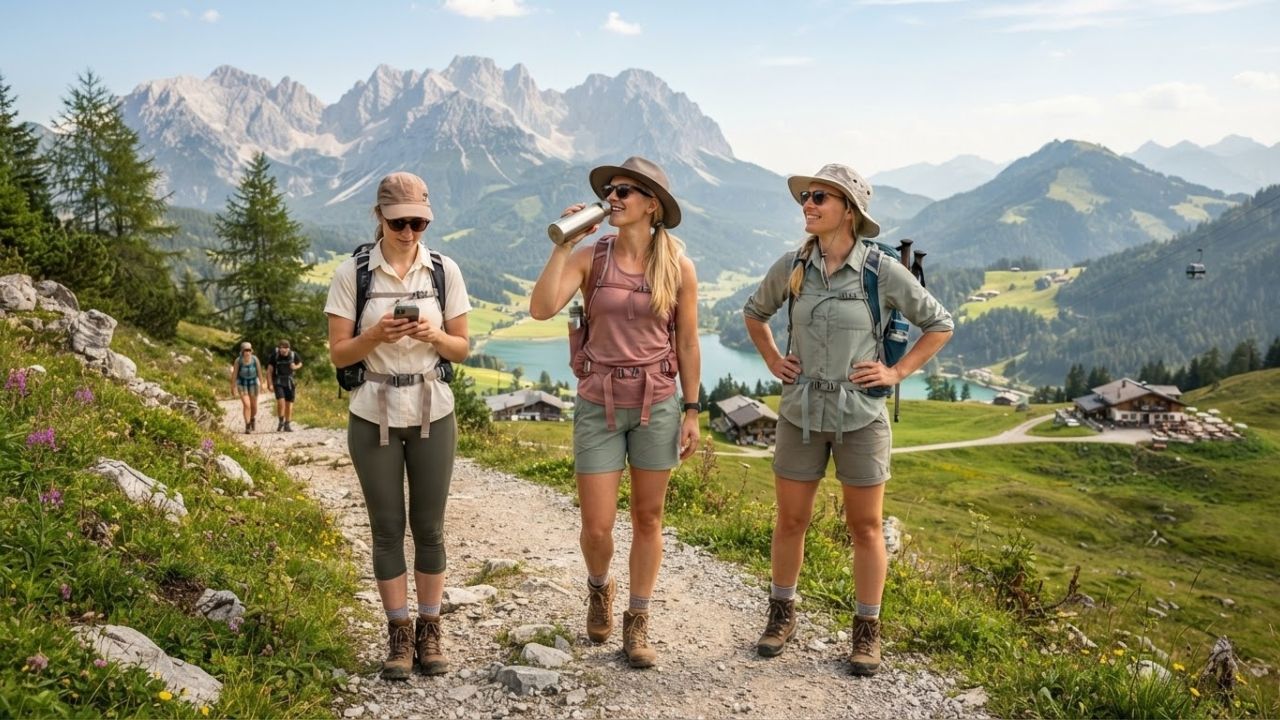
Image generated by AI
Austria’s summer outdoor travel sector is adjusting to extreme weather shifts after temperatures reached a historic record of 41.2°C, prompting warnings for hikers and alpine tourist operators across the country.
On August 7, 2026, climate analysts and tourism planners reviewed the impacts of the heatwave. The record temperature was registered in Bad Deutsch-Altenburg near the Slovak border, marking the highest temperature in the nation’s recorded history. The event has focused attention on how heatwaves and drought stress the fragile alpine environments that millions of travelers visit each summer.
Alpine Travel Appeals Face New Environmental Stress
Austria’s mountains serve as the foundation of its year-round travel economy. From the peaks of Tyrol to the lakes of Carinthia, summer travelers are increasingly seeking outdoor escapes.
According to data from GeoSphere Austria, the country’s meteorological service, prolonged heat waves affect natural resources, reduce water availability, and elevate wildfire risks. The heat has disrupted mountain hiking, climbing, and outdoor sightseeing schedules, forcing operators to adapt itineraries.
| Austrian Alpine Province | Primary Summer Appeal | Extreme Heat Advisory Focus | Recommended Traveler Adaptation |
|---|---|---|---|
| Tyrol | High-altitude climbing & trekking | Severe midday heat exhaustion risk | Complete high-altitude ascents by 9:00 AM |
| Salzburg | Lakes, cultural towns, hiking | Alpine trail dry conditions & rockfalls | Confirm trail safety reports before departing |
| Vorarlberg | Sustainable valley trails | Reduced morning cooling in valleys | Utilize electric valley post-buses |
| Styria | Green valleys & wellness parks | Shaded path availability & drought | Reschedule hiking during cooler hours |
| Carinthia | Glacier lakes & leisure water | Warm surface waters & dehydration | Bring extra hydration and pack out trash |
While travelers previously sought the mountains as cooler retreats, extreme events demonstrate that high elevations are also affected by climate shifts, a concern shared by the European Environment Agency (EEA) regarding Central European summer travel.
Aviation and Rail Infrastructure Adapt to Rising Heat
The extreme temperatures create operational adjustments across regional transport lines.
- Aviation Operations: At Vienna International Airport and regional runways, flight controllers monitor air density. High heat reduces lift efficiency, requiring airlines to adjust passenger loads and takeoff protocols in coordination with Austro Control safety guidelines.
- Rail Mobility: The national railway system offers an essential alternative for travelers looking to avoid road delays, though track temperatures require continuous monitoring. Rail links connecting Vienna to Salzburg and Salzburg to Tyrol remain central to green mobility goals.
- Brenner Pass Corridor: The rail network supports transit links, building on recovery projects described in Brenner Railway Reopens Connecting Innsbruck and Brennero After Critical Alpine Infrastructure Repairs 2026.
These climate patterns are shaping how travelers schedule their trips, similar to travel disruptions caused by other summer weather anomalies detailed in Alpine Flash Floods Hit Switzerland, Austria, Germany, Italy—Rail Networks and Hiking Trails Disrupted as Level 3 Weather Alerts Sweep Central Europe.
Promoting Sustainable Mountain Stays and Local Farmers
The Austrian National Tourist Office promotes sustainable travel models to mitigate environmental pressure on rural communities.
Travelers can support mountain economies by staying at family-run Pensionen (guesthouses) and purchasing regional dairy products directly from Almen (high-altitude alpine farms). Using public transit, such as local post-buses, reduces emissions and traffic congestion in sensitive valley communities.
Alpine Safety Guide: Early Starts, Glacier Lakes, and Mountain Treats
- Best Travel Window: Hike during the early autumn shoulder month of September. High-altitude trails are clear, the extreme summer heat has subsided, and mountain vistas remain visible.
- Mountain Trail Etiquette: Ascending hikers have the right-of-way on steep paths. Stay on marked trails to prevent soil erosion and protect nesting birds.
- Local Culinary Specialties: Refuel at alpine huts with Kaiserschmarrn (shredded caramelized pancakes served with plum compote) or enjoy a glass of Almdudler (a traditional herb-flavored soda).
- Under-the-Radar Spot: Hike to the Gosausee lakes in the Salzkammergut region, offering cool, glacier-fed swimming spots away from larger resort towns.
FAQ: Austria Alpine Heatwave 2026
Q1: What is the highest temperature recorded in Austria during this heatwave? Bad Deutsch-Altenburg recorded a historic temperature of 41.2°C in August 2026, the highest ever recorded in the country.
Q2: Are Austrian hiking trails closed due to the heat? Most trails remain open, but local guides advise travelers to avoid hiking during midday hours and to check for localized rockfall alerts caused by drying permafrost.
Q3: How does the heat affect travel to mountain regions? It increases health risks like heat exhaustion, reduces comfort during daytime sightseeing, and requires travelers to carry significantly more water.
Related Travel Guides
The 10 Best Things to Know About Alpine Heat Waves, According To Reddit
Disclaimer
This article is for informational and educational purposes only. It does not constitute legal, financial, or professional advice. While we strive to provide accurate and up-to-date information, travel policies, regulations, and conditions change rapidly. Always verify information with official sources before making travel decisions. Nomad Lawyer makes no representations about the accuracy, reliability, completeness, or suitability of the information provided. Readers should consult qualified professionals for advice specific to their circumstances. The views expressed in this article are those of the author and do not necessarily reflect the views of Nomad Lawyer.
Kunal K Choudhary
Co-Founder & Contributor
A passionate traveller and tech enthusiast. Kunal contributes to the vision and growth of Nomad Lawyer, bringing fresh perspectives and driving the community forward.
Learn more about our team →