
USA Travel Spotlight: Florida’s Red, Gold and Orange Landscapes Attract Nature Lovers
USA Travel Spotlight: Florida’s Red, Gold and Orange Landscapes Attract Nature Lovers

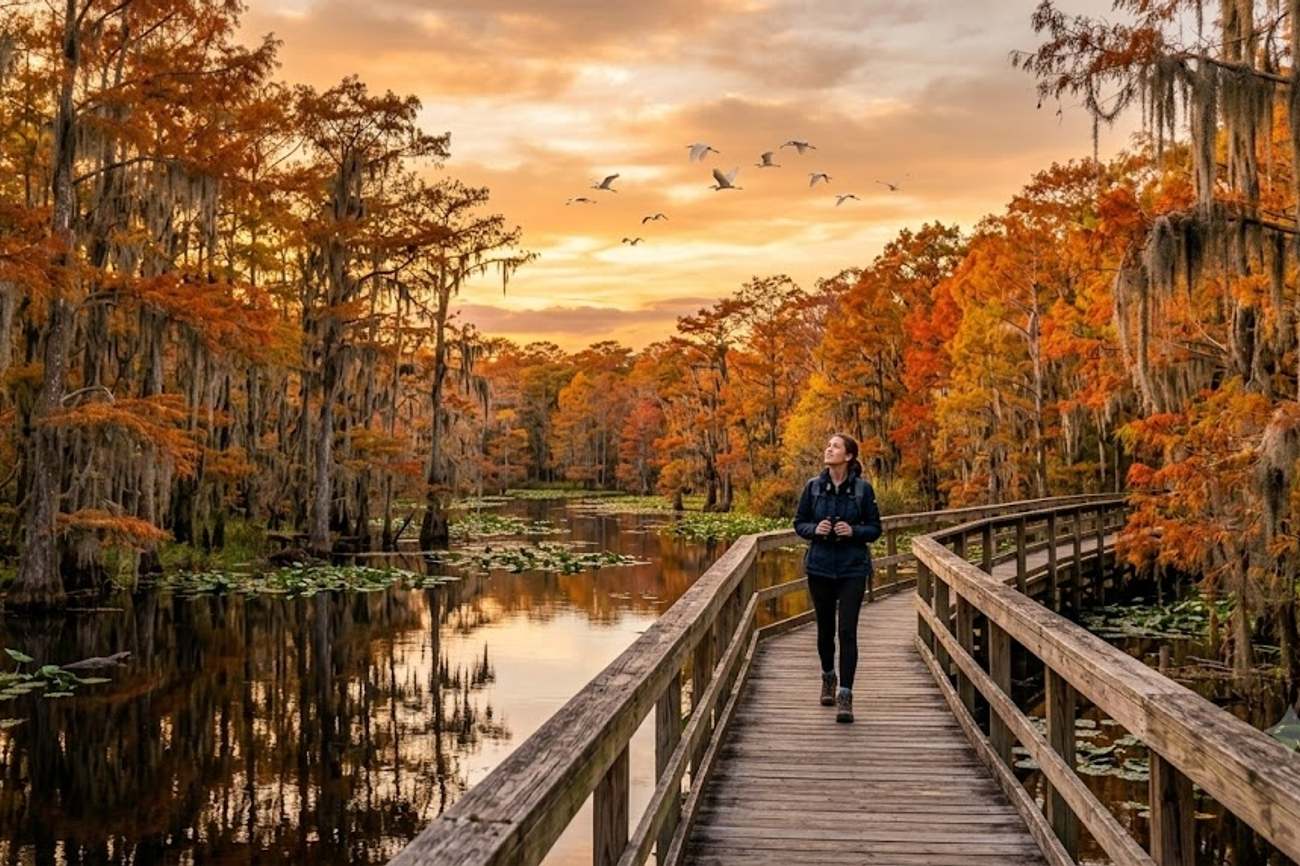
Image generated by AI
[Tallahassee, October 2024] — Florida is experiencing a surge in autumn tourism as travelers pivot from traditional beaches and theme parks toward the state's northern and central interior to witness unexpected seasonal foliage.
The shift in travel patterns sees visitors flocking to the Florida Panhandle and surrounding regions between late October and November. This movement is driven by a growing demand for nature-based experiences, specifically the transformation of hardwood forests, limestone bluffs, and river valleys into landscapes of red, gold, and orange. While Florida is globally recognized for its tropical climate, these inland regions offer a temperate autumn experience that rivals traditional foliage destinations.
The Shift Toward Nature-Based Tourism
The catalyst for this trend is a fundamental change in how travelers perceive the Sunshine State. For decades, the tourism economy relied almost exclusively on coastal resorts and Orlando-based attractions. However, current data indicates a rising preference for "slow travel" and outdoor adventure. Travelers are now seeking quieter, less commercialized environments that prioritize wildlife encounters and scenic road trips over high-traffic tourist hubs.
Florida's infrastructure for this shift is rooted in its extensive network of approximately 175 state parks. Managed by the Florida State Parks system, these protected areas encompass a diverse array of reefs, springs, and wilderness landscapes. Unlike the New England autumn experience, which often focuses on static viewpoints, Florida's fall appeal is integrated with active recreation. Visitors are combining leaf-peeping with kayaking, fishing, and hiking, utilizing the cooler temperatures to engage in activities that are often too grueling during the humid summer months.
Regions and Sites Impacted by Fall Migration
The concentration of autumn color is not uniform across the state; it is heavily weighted toward the northern latitudes. The following areas are currently seeing the highest influx of nature-focused travelers:
- The Florida Panhandle: The primary hub for seasonal color, featuring landscapes that mirror the Deep South and lower Appalachian regions.
- Torreya State Park: A critical destination located one hour west of Tallahassee. It is distinguished by its rare elevated terrain, limestone bluffs, and deep ravines. The park's canopy consists of sugar maple, sweetgum, hickory, and sourwood trees.
- Three Rivers State Park: Situated near the Georgia border along Lake Seminole. This site serves as a low-density alternative for travelers avoiding the crowds of more famous fall destinations.
- Suwannee River State Park: Located east of Tallahassee, this park is a primary draw for cyclists and photographers due to its hardwood forests and riverside bluffs featuring red maple and tupelo trees.
- Wetland and River Corridors: Areas dominated by bald cypress trees, which transition to bronze, copper, and warm brown hues.
What This Means for Travelers
For the modern traveler, this shift means that Florida is no longer a "summer-only" or "winter-escape" destination. The autumn window provides a strategic opportunity to visit the state with two primary advantages: temperature and density.
First, the reduction in heat and humidity makes the interior of the state accessible for rigorous outdoor activity. Second, the "shoulder season" typically sees a decrease in crowds compared to the peak summer rush, allowing for a more secluded experience in state parks and small-town rentals.
From a logistical standpoint, travelers should move away from the "coastal mindset." Booking accommodations in small towns near the Panhandle or the Georgia border is now more critical than securing a beachfront hotel in Miami or Clearwater for those seeking this experience. Additionally, the mode of exploration has shifted; while cars are used for road trips, the primary way to experience the most vivid colors—particularly the bald cypress—is via water. Renting canoes and kayaks is now a primary requirement for the autumn itinerary.
Economic Impact on Rural Communities
The rise of fall foliage tourism is redistributing travel spending away from major metropolitan centers and into rural Florida. Small towns adjacent to state parks are seeing increased revenue through a variety of local channels:
- Hospitality: Increased occupancy in boutique hotels, bed-and-breakfasts, and campgrounds.
- Service Sector: Higher foot traffic in local restaurants and fuel stations.
- Equipment Rentals: A spike in demand for kayaking, canoeing, and cycling gear.
- Guided Tours: Growth in local tour operations focusing on wildlife and nature photography.
This economic diversification helps stabilize rural economies that previously relied on a narrower window of seasonal visitors. By promoting the interior's natural beauty, the state is effectively extending the tourism calendar and broadening the demographic of visitors to include hikers and birdwatchers.
Future Outlook for Florida's Interior
As the trend toward nature-based travel persists, Florida is likely to see further investment in its interior infrastructure. The Florida Department of Environmental Protection (DEP), which oversees state parks, may face increased pressure to expand parking and trail maintenance in the Panhandle to accommodate the growing autumn crowds.
The long-term goal for the region is to position the Panhandle not just as a coastal destination for white-sand beaches, but as a year-round hub for ecological tourism. This involves integrating the "foliage trail" into broader state tourism marketing, potentially creating curated road-trip itineraries that link Torreya, Three Rivers, and Suwannee River state parks into a single autumn circuit.
FAQ: Florida Fall Travel 2024
When is the best time to see fall colors in Florida? The peak window occurs between late October and November. This is when the hardwood forests in the north and the bald cypress trees in the wetlands reach their maximum color saturation.
Which part of Florida has the most dramatic autumn scenery? The Florida Panhandle is the premier region. Its combination of limestone bluffs, river valleys, and hardwood forests creates a landscape that differs significantly from the tropical south.
What activities are best for viewing Florida's fall foliage? Water-based activities like kayaking and canoeing are ideal for seeing bald cypress colors. For hardwood forests, hiking and cycling in state parks like Torreya or Suwannee River are recommended.
Is Florida's autumn weather suitable for hiking? Yes. The fall season brings significantly cooler temperatures and lower humidity than the summer, making it the most comfortable time of year for exploring the state's interior trails.
The Sunshine State is proving that its appeal extends far beyond the shoreline.
#FloridaPanhandle2024 #TorreyaStatePark #FloridaStateParks #FallFoliageFL #SuwanneeRiver #NatureTourismFlorida
Related Travel Guides
- Seattle Ignites Latin American Pride as Sea Mar Fiestas Patrias Brings Music Food and Culture Alive
- Savannah Stands Alongside New Orleans and St. Augustine in Becoming Haunted Fall Hotspots Spiking Travel in USA
- Kauaʻi Leaves Lānaʻi, Maui and More Islands Behind as Hurricane Lowell Creates the Biggest Tourism Recovery Challenge in Hawaii
Disclaimer
This article is for informational and educational purposes only. It does not constitute legal, financial, or professional advice. While we strive to provide accurate and up-to-date information, travel policies, regulations, and conditions change rapidly. Always verify information with official sources before making travel decisions. Nomad Lawyer makes no representations about the accuracy, reliability, completeness, or suitability of the information provided. Readers should consult qualified professionals for advice specific to their circumstances. The views expressed in this article are those of the author and do not necessarily reflect the views of Nomad Lawyer.
Naina Thakur
Contributor & Travel Specialist
Travel enthusiast and legal writer covering visa regulations, responsible tourism, and cultural journeys across global destinations.
Learn more about our team →