
Brenner Railway Reopens Connecting Innsbruck and Brennero After Critical Alpine Infrastructure Repairs 2026
Austria has restored full passenger and freight train services between Innsbruck and Brennero following the completion of essential Mühltaltunnel repairs and track upgrades.

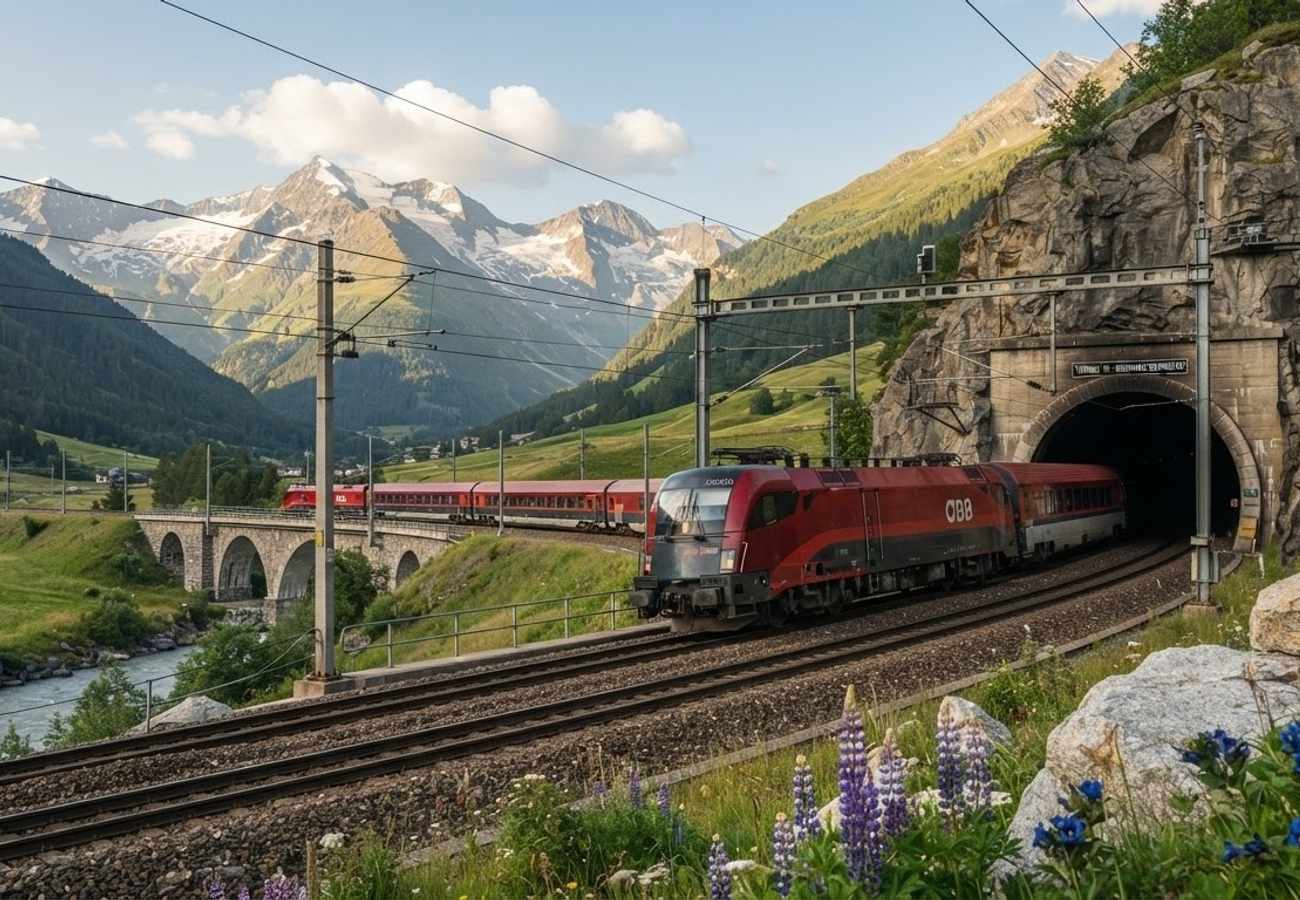
Image generated by AI
The critical north-south rail artery connecting Austria and Italy is fully operational as of August 2, 2026. The reopening restores vital transit for thousands of passengers and heavy freight operators following a strategic infrastructure closure.
Restoration of the Alpine Corridor
The Brenner Railway has officially reopened between Innsbruck, Austria, and Brennero on the Italian border. This restoration follows the completion of scheduled maintenance works focused on the Austrian section of the route, which had been closed to facilitate essential safety upgrades.
The reopening on August 2 eliminates the need for replacement bus services and complex route diversions that characterized the disruption period. By coordinating the closure with Italian infrastructure managers, both nations successfully synchronized their maintenance windows to prevent staggered disruptions.
Infrastructure and Technical Breakdown
The Austrian maintenance program targeted high-risk areas of the Alpine corridor to ensure long-term operational safety. Key technical interventions included:
- Mühltaltunnel Repairs: Engineers addressed frost-related damage within the Mühltaltunnel. In high-altitude environments, repeated freeze-thaw cycles can degrade tunnel surfaces and compromise drainage systems.
- Track Upgrades: Comprehensive servicing was conducted on the railway tracks between Patsch and Brenner.
- General Maintenance: Work included rail adjustments, ballast maintenance, and structural inspections to support the heavy load of international freight and passenger traffic.
Flight and Rail Impact Analysis
The disruption caused significant shifts in regional logistics and passenger movement from mid-July through early August.
- Regional Service Suspension: Local trains between Innsbruck Hauptbahnhof and Brennero were suspended from July 23 until August 1.
- Alternative Transit: Approximately 50 buses were deployed to maintain regional connectivity. A specialized taxi shuttle was utilized for St. Jodok due to limited bus accessibility.
- International Long-Distance Impact: Services between Innsbruck and Bolzano were restricted from July 17 until August 1.
- Route Diversions: To maintain the Austria-Italy link, several long-distance services were diverted via the Tauern route and Tarvisio, resulting in increased travel times and modified timetables.
Passenger Rights & Advisory
For passengers affected by the recent disruptions or those planning travel through the Brenner corridor, our analysis of rail passenger rights suggests the following:
Compensation for Delays If your journey was delayed by more than 60 minutes due to the diversions or replacement bus transfers, you may be eligible for compensation depending on the carrier's terms and EU rail passenger regulations. For the affected passenger, this means documenting the original scheduled arrival time versus the actual arrival time.
Rebooking and Refunds Passengers who opted not to travel due to the replacement bus arrangements were generally entitled to a full refund or a complimentary rebooking. If you are still experiencing ticketing issues from the July 17 – August 1 window, contact the carrier immediately.
Current Travel Guidance While the route is open, the transition back to a standard timetable can cause residual delays. We advise passengers to:
- Verify departure times via official rail apps 24 hours before travel.
- Confirm bicycle reservations for regional services, as summer demand remains high.
- Allow additional time for transfers at Innsbruck Hauptbahnhof.
Industry Analyst View
The Brenner Railway is more than a local transit link; it is a strategic European freight corridor. The reliance on this route for moving goods from northern industrial hubs to Italian ports means that any closure creates a ripple effect across the European supply chain.
The decision to synchronize the Austrian and Italian maintenance windows represents a shift toward more integrated cross-border infrastructure management. By avoiding "double disruptions," the region reduces the economic impact on freight operators who otherwise face limited capacity on alternative Alpine routes. Moving freight from road to rail remains a priority for the region to mitigate Alpine valley congestion and meet environmental targets.
Regular schedules are now restored, ending the temporary reliance on the road transport network for trans-Alpine transit.
Related Travel Guides
Disclaimer
This article is for informational and educational purposes only. It does not constitute legal, financial, or professional advice. While we strive to provide accurate and up-to-date information, travel policies, regulations, and conditions change rapidly. Always verify information with official sources before making travel decisions. Nomad Lawyer makes no representations about the accuracy, reliability, completeness, or suitability of the information provided. Readers should consult qualified professionals for advice specific to their circumstances. The views expressed in this article are those of the author and do not necessarily reflect the views of Nomad Lawyer.
Kunal K Choudhary
Co-Founder & Contributor
A passionate traveller and tech enthusiast. Kunal contributes to the vision and growth of Nomad Lawyer, bringing fresh perspectives and driving the community forward.
Learn more about our team →